REVIEW · BELLEVUE
From Seattle: Full-Day Mt Rainier National Park Tour
Book on GetYourGuide →Operated by PLATFORMPOINTS LLC · Bookable on GetYourGuide
Rainier changes minute to minute. This full-day Mount Rainier National Park tour from Seattle strings together viewpoints, short hikes, and a little nature lesson into one smooth 9-hour outing. You’re guided through heavy-hitter stops like Paradise and Reflection Lakes, with time for a picnic and a look at Narada and Christine Falls.
I especially love the small-group feel (max 5 people) and how it keeps the day flexible. I also like that the guide focuses on more than photos, with wildlife and plant talk that helps you spot what you’re actually seeing.
The main drawback to plan for is visibility. If the day turns foggy, you may not get the clear, towering Rainier views the route is famous for.
In This Review
- Key Highlights at a Glance
- A 9-hour Rainier Day That Balances Big Views and Footsteps
- Seattle Pickup to Rainier: Why the Small Group Matters
- Guided Mount Rainier Time: Old-Growth Forests and Nature That Clicks
- Paradise and Its Wildflower Meadows: The Famous Spot With a Reason
- The Hike and Picnic Break: How to Make the Walking Part Worth It
- Narada Falls: Water Power Without the Full Detour
- Jackson Memorial Visitor Center: When Context Improves Everything
- Reflection Lakes on Stevens Canyon Road: A Beautiful Place With Tight Rules
- Christine Falls: The Quick Hit of Water and Views
- When Fog Hits: How to Keep the Day Feeling Worth It
- Price and Value: Why $285 Can Make Sense for a Seattle Day
- Who This Tour Fits Best (and Who Might Want Another Plan)
- Should You Book This Mount Rainier Tour From Seattle?
- FAQ
- Where is pickup for the Mt Rainier tour?
- How long is the tour?
- What’s included in the tour price?
- Is food included?
- How many people are on the tour?
- What stops are included during the day?
- Can you go boating or fishing at Reflection Lakes?
- Is Reflection Lakes accessible in winter?
- Is free cancellation available?
Key Highlights at a Glance
- Small group (up to 5) for a calmer, less rushed feel
- Paradise views and wildflower meadows at the park’s most visited zone
- Old-growth forest time that adds texture beyond scenic drives
- Reflection Lakes rules (stay on trails; no boating or fishing)
- Two waterfall moments with Narada Falls and Christine Falls
- A guide’s weather-and-crowd strategy to keep the day workable
A 9-hour Rainier Day That Balances Big Views and Footsteps
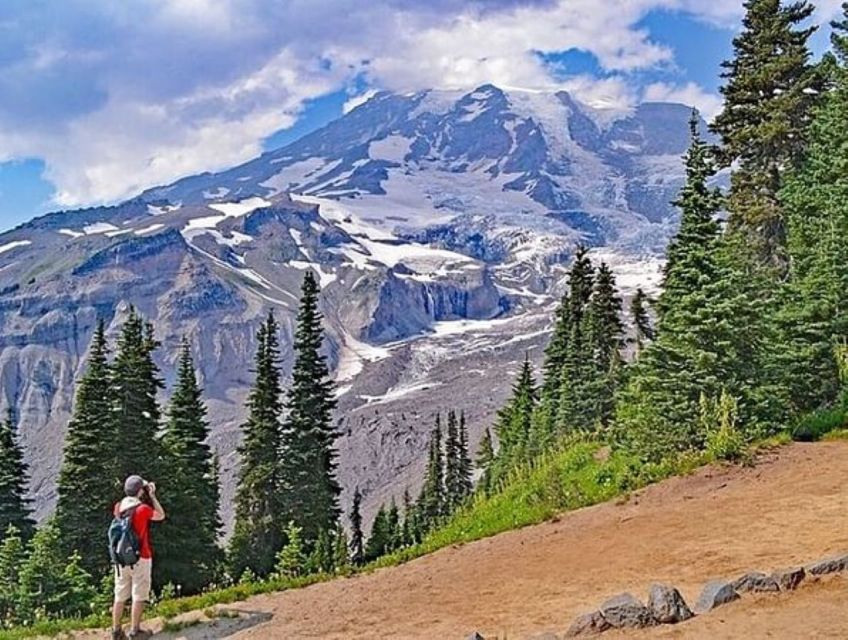
This is the kind of Mount Rainier National Park tour that makes sense if you want the highlights without spending a whole day (or two) driving on your own. The route is built around three things that matter to most people: seeing Rainier at its best, walking through a few key ecosystems, and hitting waterfalls without burning energy.
Because it’s guided, you’re not stuck figuring out which pullouts are worth the stop or where the best short walks begin. You’re also not trying to manage a complicated day plan in traffic, timing, and weather.
The schedule runs about 9 hours, with a guided stretch inside the park and several targeted scenic stops outside it. That timing is a sweet spot for first-timers who want a real experience, not just a windshield tour.
Seattle Pickup to Rainier: Why the Small Group Matters
Pickup is from Seattle, and the tour uses private transportation with bottled water included. That matters more than you might think. On a park day, comfort and efficient driving reduce the mental load, especially when weather changes or roads get crowded.
With a maximum group size of 5 participants, you’ll typically get more direct interaction with the guide. In practical terms, it means fewer bottlenecks at trailheads and more flexibility when the guide adjusts for conditions. It’s still a group day, so you won’t have total freedom, but it feels less like cattle herding.
One thing I’d keep in mind for any paid day trip: you’re paying for time. If a driver is late or stops talking entirely, the day can feel less worth it. A well-run guide can make the scenery easier to enjoy, because you know what you’re looking at and why.
Guided Mount Rainier Time: Old-Growth Forests and Nature That Clicks
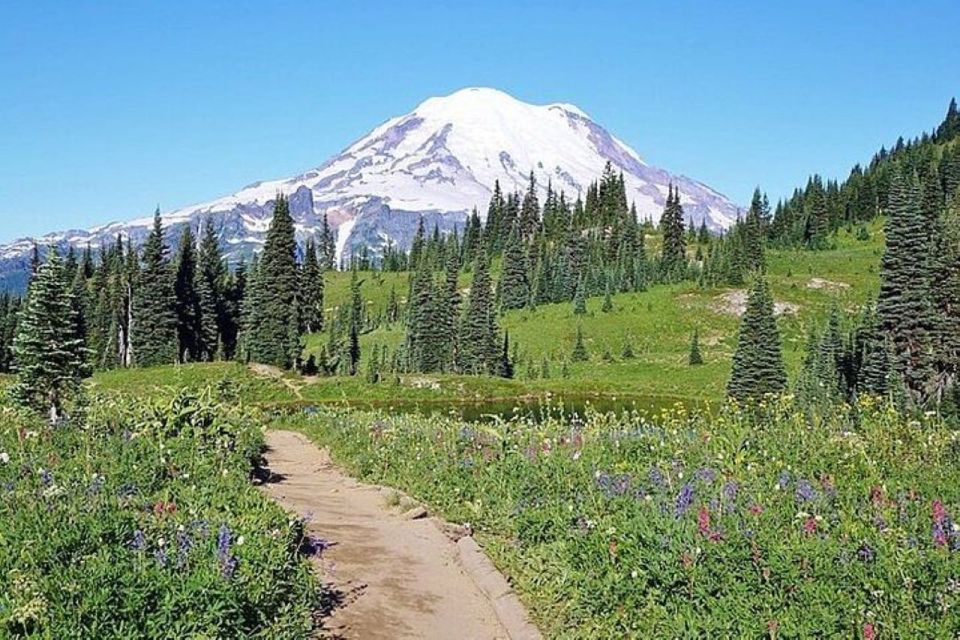
You get about 3 hours of guided time inside Mount Rainier National Park, and that’s the core of the day. The standout value here is not just getting to major viewpoints, but learning what’s happening in the ecosystems around you.
On this tour, the guide ties together wildlife and plant notes with what you can actually see in the moment. That kind of context turns a walk into something you remember. Instead of, Wow, trees! it becomes, Oh, that species thrives here because of the altitude and moisture.
You also get time for a hike that’s framed as an outdoor adventure. It’s not presented as an intense mountaineering mission, but as a chance to get moving and feel the park up close—especially important at Rainier, where the views are dramatic, but the details are what make the experience feel alive.
Paradise and Its Wildflower Meadows: The Famous Spot With a Reason
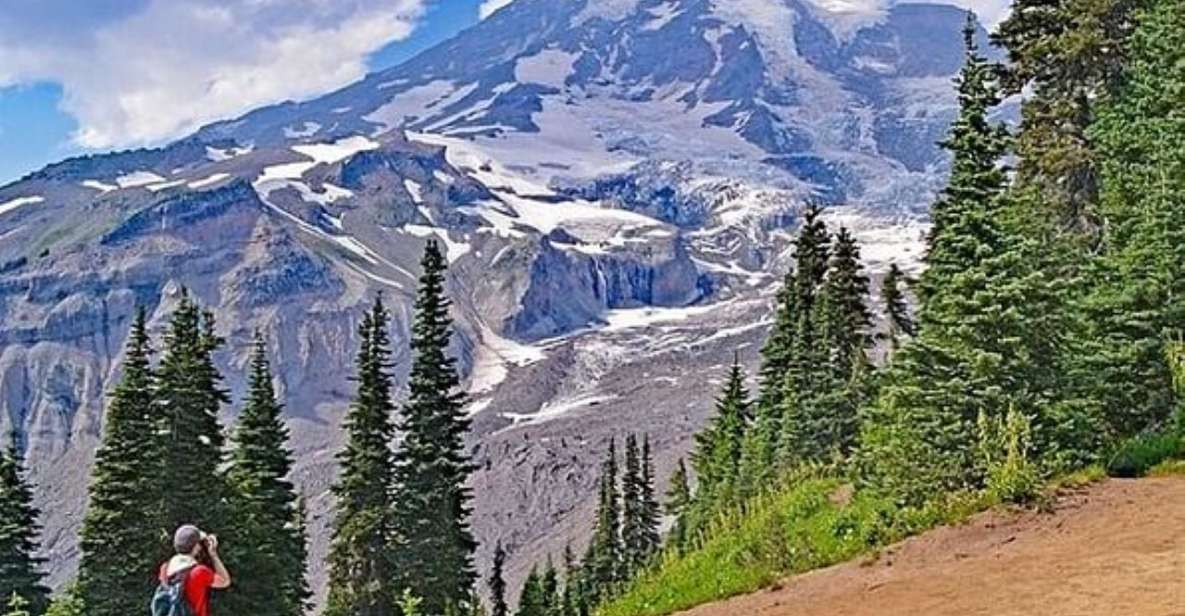
A big theme of the day is Paradise, because it’s the park’s most heavily visited area and for a reason. Even with crowds, it’s where the scenery stacks up: wide outlooks, the feeling of being close to the volcano, and the meadows that bring color when the season is right.
The tour is designed around the idea of hitting Paradise with a guide’s help, including crowd avoidance and weather considerations. That’s important because Paradise can be intense in peak season. A good guide helps you get the key moments without feeling like you’re trapped in a slow-moving line.
When wildflowers are in bloom, the meadows are a major highlight. You don’t need to be a botany fan to enjoy it. The pleasure is in how quickly the park can shift from forest shade to open, bright spaces—then back again as you move along the day’s route.
The Hike and Picnic Break: How to Make the Walking Part Worth It
You’ll take a hike and have time to enjoy a picnic, which is one of those planning choices that makes day trips feel like more than errands. You get the benefit of movement—fresh air, changing viewpoints, and a more grounded sense of scale—without committing to a long backpacking plan.
Since food isn’t listed as included, you should plan to bring what you want for your picnic or lunch. The tour description highlights the time to indulge, but you’ll want your own picnic setup so you’re not stuck searching for options once you’re already at the best spot.
Pack for weather that can swing fast. Rainier days can go from cool to chilly, and even when the air is mild, the wind can feel sharp near viewpoints. Layers win. Comfortable shoes win more. And if the route includes short trail segments, you’ll be glad you didn’t bring stiff or fragile footwear.
Narada Falls: Water Power Without the Full Detour
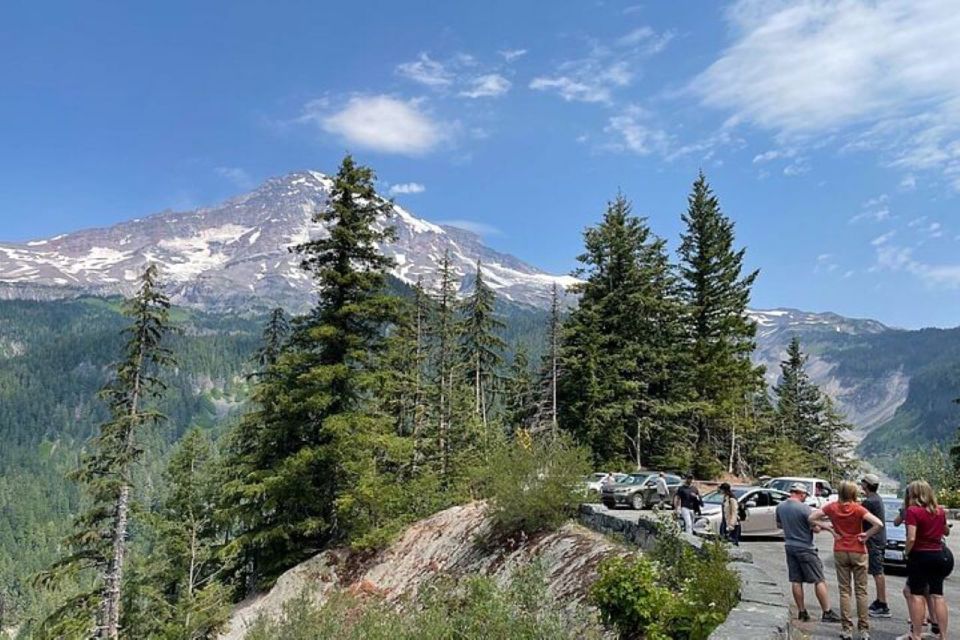
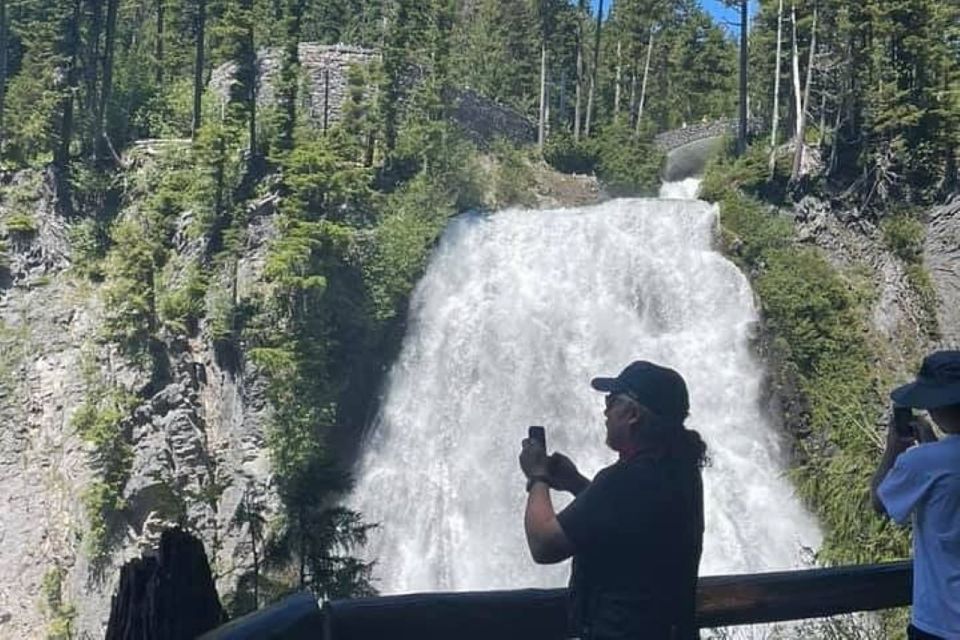
Narada Falls is a key scenic stop, with about 45 minutes of sightseeing and scenic driving time. This is one of those Rainier moments that works even if you’re tired. Waterfalls make instant sense; you don’t have to be an expert to appreciate the sound and the mist.
Timing matters. Because the tour is structured, you’re not guessing how long it will take to reach the falls or how busy the area might be. That helps you see it as a highlight rather than a stressful stop.
What I like about including a waterfall here is the pacing. You’ve got big-view focus at Paradise, then you shift to a roaring, close-up natural feature. It keeps the day from feeling like one long scenic stretch.
Jackson Memorial Visitor Center: When Context Improves Everything
At the Jackson Memorial Visitor Center, you get around 2 hours for visit and sightseeing. This is one of the best places on a Rainier day to reset your understanding of the park, because it’s where you can connect the visuals to the bigger story.
Even if you don’t love museums, this kind of stop helps you interpret what you’re seeing out on the trail. Rainier is a high-altitude volcano system, and the park’s ecosystems change dramatically with elevation and moisture. When you understand that, the forest and meadows make more sense.
A visitor center also helps you fill the gaps if the weather shifts. If you can’t see everything outside, you can still come away with usable knowledge. That way, the day doesn’t feel wasted when clouds roll in.
Reflection Lakes on Stevens Canyon Road: A Beautiful Place With Tight Rules
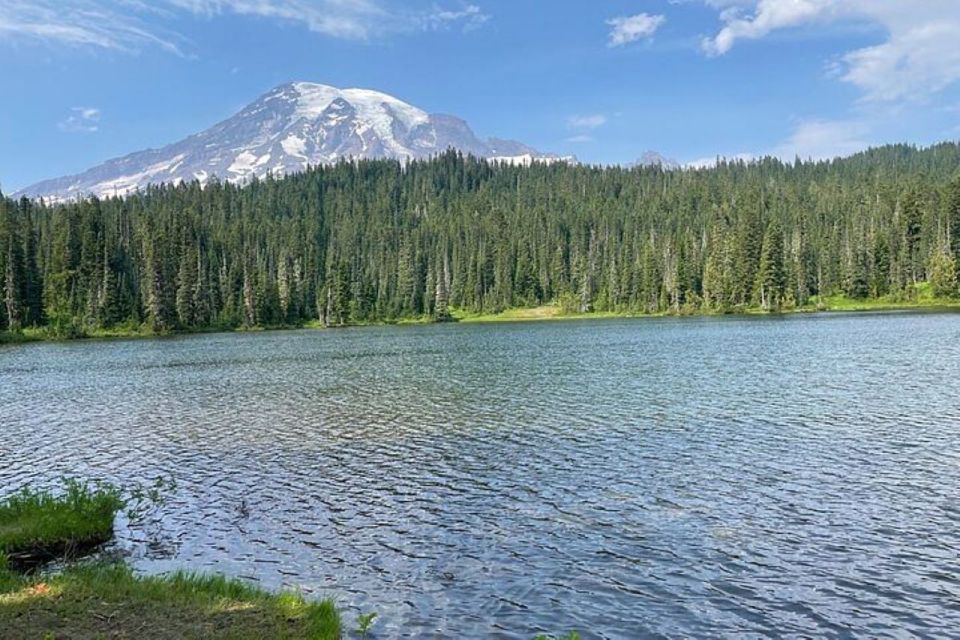
Reflection Lakes are a signature stop, located along Stevens Canyon Road, which is typically open to vehicles in summer—usually June through September. The lakes are named for how they reflect Mount Rainier, and that’s why they’re such a popular viewpoint.
The tour includes about 45 minutes for sightseeing and a walk. You’ll also learn the basic etiquette that keeps the place healthy and protects sensitive subalpine meadows.
Here’s what you need to know before you go:
- In summer, you must stay on trails to protect delicate meadows around the lake.
- Boating and fishing are not permitted at Reflection Lakes.
- In winter, snowshoers and hikers can still access the area, and you may find winter camping around the snow-covered lake.
This stop is valuable because it’s a different kind of Rainier payoff. Narada Falls is about sound and power. Paradise is about altitude, views, and wildflowers. Reflection Lakes is about stillness and the geometry of reflections. It gives your day variety.
Christine Falls: The Quick Hit of Water and Views
Christine Falls is a shorter stop, with about 15 minutes for sightseeing and a walk. Even though it’s brief, it fits the same pattern that makes the day work: major moments plus quick scenic power-ups.
Christine Falls is a great place to take photos and get a feel for how quickly scenery changes on Rainier’s roads. You’re not stuck there long enough to get cold, impatient, or bored—just long enough for the waterfall moment.
If the day is foggy, this kind of stop can still be satisfying. You might miss the sharpest mountain silhouettes, but water is still water. You’ll still get the sound and mist that make waterfalls memorable.
When Fog Hits: How to Keep the Day Feeling Worth It
Here’s the reality of Mount Rainier: it’s huge, and weather can hide the view fast. One of the biggest reasons people get disappointed on Rainier trips is assuming the skyline will look perfect the entire day. It usually doesn’t.
This tour is planned with weather considerations in mind, which is a smart approach. Still, you should expect that visibility may change. If you arrive in cloud cover, the best move is to shift your focus from the top of the mountain to the features you can see: forest textures, waterfall noise, and the way light changes around meadows.
If your goal is the classic, clear Rainier panorama, consider bringing patience and a flexible attitude. The guide can’t control fog, but a well-run tour makes it easier to enjoy what the weather gives you.
Price and Value: Why $285 Can Make Sense for a Seattle Day
At $285 per person for about 9 hours, this tour isn’t cheap, but it’s also not random pricing. You’re paying for the pieces that add up fast when you DIY: private transportation, park entrance fees, and a professional guide.
You also get bottled water and pickup and drop-off from Seattle. That’s a real value boost for travelers who don’t want to manage logistics, parking, and navigation under changing road and weather conditions.
Food is the one clear missing piece: it’s not included. The schedule suggests breaks for breakfast and a picnic, but you should assume you’ll be handling meals yourself. Bring snacks, plan your lunch/picnic, and keep your day smooth.
If you can fill the car cost yourself with friends, DIY can look cheaper on paper. But if you value someone else handling driving, timing, and interpretation, this price can feel fair—especially with a small group limited to 5.
Who This Tour Fits Best (and Who Might Want Another Plan)
This works best if you:
- Want a first-timer-friendly overview of Mount Rainier National Park
- Like guided context, especially about plants and wildlife
- Prefer short walks and viewpoints rather than a full-day endurance hike
- Enjoy waterfall stops and want both big sights and smaller, more interpretive moments
It may not be the best match if you need mobility accommodations. The tour is not suitable for people with mobility impairments. It’s also not suitable for babies under 1 year.
If you’re chasing one specific experience—like the most intense hiking possible—this tour might feel too “managed.” But if you want an effective, enjoyable day that checks several Rainier boxes, it’s built for that.
Should You Book This Mount Rainier Tour From Seattle?
Book it if you want a guided, small-group day that hits the park’s top hits—Paradise, Reflection Lakes, and two waterfall moments—while also explaining what you’re seeing. I also think it’s a smart option when you don’t want the stress of driving and timing on your own.
Skip it or reconsider if clear mountain visibility is your only priority and you’re unwilling to adjust when fog rolls in. And do ask yourself how you’ll feel if the day’s commentary isn’t as engaging as you hoped—this is exactly the kind of tour where a strong guide makes a noticeable difference.
If your ideal Rainier day is “learn a bit, walk a bit, see a lot,” this one is a solid bet.
FAQ
Where is pickup for the Mt Rainier tour?
Pickup is in Seattle.
How long is the tour?
The duration is 9 hours.
What’s included in the tour price?
The price includes private transportation, bottled water, pickup and drop-off, all fees and taxes, and park entrance fees. There is also a live English-speaking tour guide.
Is food included?
Food is not included. The day includes time for meals like a light breakfast on the way and a picnic, but you’ll need to plan your own food.
How many people are on the tour?
This tour has a maximum of 5 participants.
What stops are included during the day?
You’ll visit Mount Rainier National Park (guided time), Narada Falls, Jackson Memorial Visitor Center, Reflection Lake, and Christine Falls.
Can you go boating or fishing at Reflection Lakes?
No. Boating and fishing are not permitted at Reflection Lakes.
Is Reflection Lakes accessible in winter?
Yes. During winter, snowshoers and hikers can still access the area and there is winter camping around the snow-covered lake.
Is free cancellation available?
Yes. You can cancel up to 24 hours in advance for a full refund.