REVIEW · SEATTLE
The Museum of Flight Entrance Ticket
Book on Viator →Operated by The Museum of Flight · Bookable on Viator
Aviation history hits different when you can walk up close. The Museum of Flight in Seattle turns a simple ticket into hours of hands-on air-and-space wonder, from cockpits you can sit in to training replicas that connect to real missions. I love how fast it feels to go from wow to wow again, especially once you’re inside the hangars.
Two things I really like: first, the chance to see the only full-scale NASA Space Shuttle Trainer up close (with a quick note to check whether your specific area is open). Second, the museum’s mix of famous aircraft and interactive exhibits keeps it interesting even if you are not a lifelong plane nerd. The main drawback is simple: the 3D movie and flight simulators cost extra, so your best value comes from budgeting a bit beyond the ticket price.
In This Review
- Quick hits before you go
- First stop: your Museum of Flight entrance ticket and how the visit flows
- The 3D movie: useful context, not a freebie
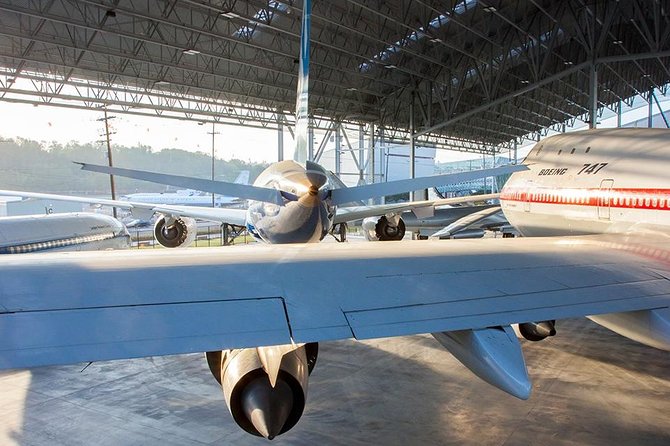
- Hangar time: 150+ aircraft, real access, and the fun of getting close
- NASA training exhibits: Space Shuttle Orbiter mockups and the Space Shuttle Trainer
- The Great Gallery: a 6-story glass room for aviation history fans
- Cockpit access and hands-on exhibits that actually feel practical
- Outdoor breaks: bridge views when the weather plays along
- How long should you plan: 2 to 3 hours, or more if you slow down
- Price and value: what $29 gets you and what you’ll likely add
- Who this ticket is best for (and who might not love it)
- Should you book the Museum of Flight entrance ticket?
- FAQ
- What does the Museum of Flight entrance ticket cost?
- How long should I plan for the visit?
- Is the 3D movie included with the ticket?
- Are the flight simulators included?
- What are the museum hours?
- Do I get confirmation after booking?
- Is free cancellation available?
- Are service animals allowed?
- Is the experience available in English?
- Is it near public transportation?
Quick hits before you go
- $29 entrance ticket for a world-class air and space museum, with lots included on-site
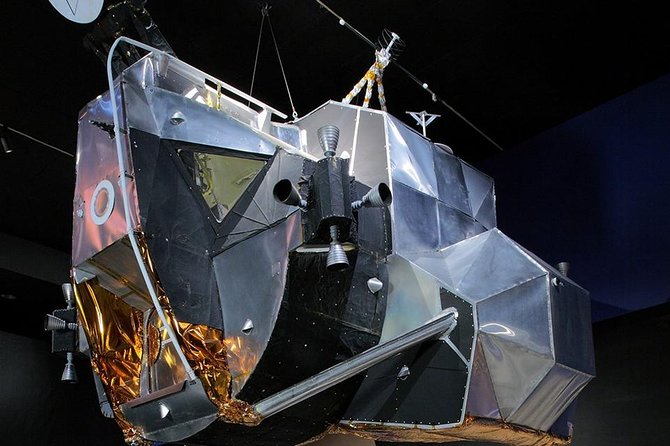
- NASA Space Shuttle Trainer and full-sized Space Shuttle Orbiter mockup used for training
- Sit in a Boeing 747 cockpit and get up close to the flight gear and design details
- Hands-on exhibits across aviation eras, including rare and experimental aircraft
- Clear-day bonus: views from the T. Evans Wyckoff Memorial Bridge toward Sea-Tac and Mount Rainier
First stop: your Museum of Flight entrance ticket and how the visit flows
This is an entrance ticket experience for The Museum of Flight, and it is priced at $29 per person. What that means for you is straightforward: you are paying to get into a place where the real work is physical—walking through hangars, climbing into viewing areas, and taking your time with exhibits that reward attention.
You’ll start by presenting your voucher for admission at the museum. From there, the visit naturally funnels you into the museum’s story of flight—first with a flight-themed 3D movie in the theater. That movie is not included in the ticket; it is an added cost, but it’s a smart start if you want your bearings before you tackle 160+ aircraft and spacecraft.
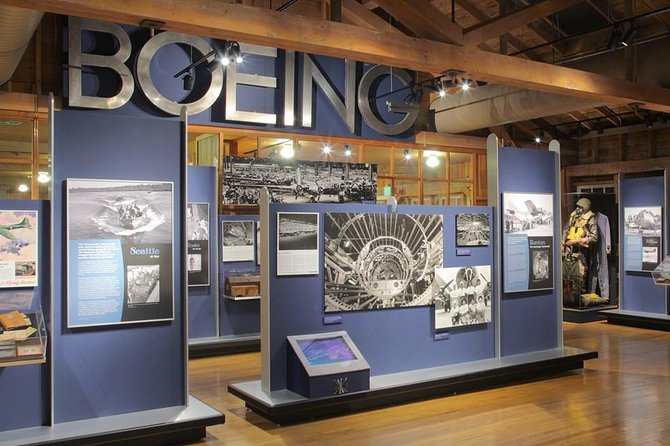
One practical detail: plan for the walking. The museum covers a wide 23-acre campus with multiple buildings, including the original Boeing Aircraft factory. It’s not just a couple rooms and done. You will do laps.
You can also read our reviews of more tours and experiences in Seattle


The 3D movie: useful context, not a freebie
Right after you check in, you move toward the theater for a flight-themed 3D movie. The listing notes it as an added cost, so do not treat it as automatically included with your entrance ticket.
Should you buy it? If you like a quick setup—how the museum frames its air-and-space timeline—then it can help you read the hangar exhibits more easily once you’re outside the theater. If you already know you want to jump straight into aircraft, you can still enjoy plenty without it. Either way, you are not stuck; the hangar time is the main event.
Hangar time: 150+ aircraft, real access, and the fun of getting close
Once you’re through the early orientation, you enter a hangar setting where the museum’s scale really shows. This is the part most people remember: the sense of proximity. You’re not staring at tiny information plaques at arm’s length—you’re near big metal, textures, and cockpit details.
Here are some of the headline aircraft and vehicles you can expect to see on display:
- A faithful replica of the plane that Amelia Earhart disappeared in
- The very first flight-worthy Boeing 747
- A sailplane
- An Aerocar
- The human-powered MacCready Gossamer Albatross II
This mix is key. The museum does not only celebrate commercial jets and military hardware. It also gives you room to appreciate engineering experiments and human-powered ambition, which is a great way to break the monotony that can happen in big aviation museums.
Also worth factoring: some simulators are available for purchase on arrival. The exhibits and aircraft are the core value included with your ticket, but if you want the full thrill mode, you’ll probably add a simulator session.
NASA training exhibits: Space Shuttle Orbiter mockups and the Space Shuttle Trainer
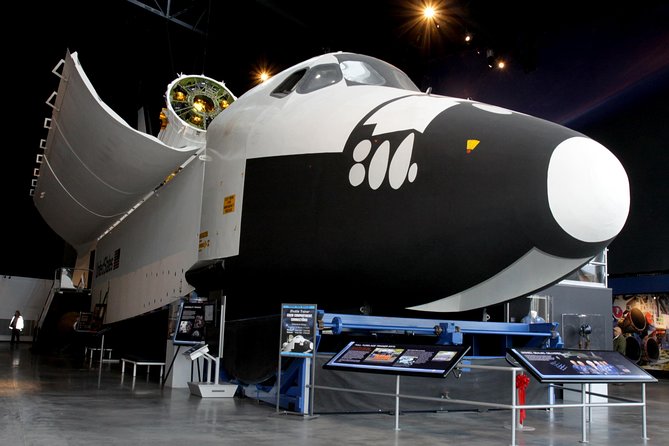
This is where your visit gets more story-driven. The museum includes a full-sized mockup of a Space Shuttle Orbiter—the kind used for training before actual space missions. If you like how technology is learned, not just invented, you’ll likely find these training-focused exhibits more meaningful than you expected.
The experience also highlights the only full-scale NASA Space Shuttle Trainer up close. That is a rare “only here” type of draw. One caution: a written review included a note that the shuttle trainer deck had been reported closed since the pandemic. I’d treat that as a heads-up to check what areas are open on your visit date once you arrive.
If the trainer area is open when you go, you will get that rare feeling of seeing a mission tool, not just a spacecraft display. If it’s closed, you still have plenty of space-related exhibits to enjoy, including the larger Orbiter mockup.
The Great Gallery: a 6-story glass room for aviation history fans
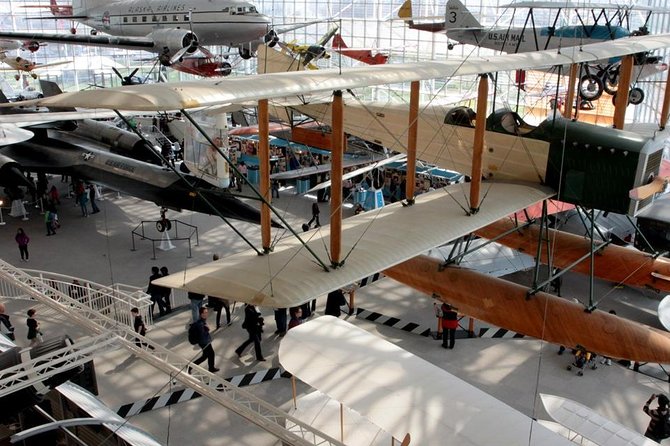
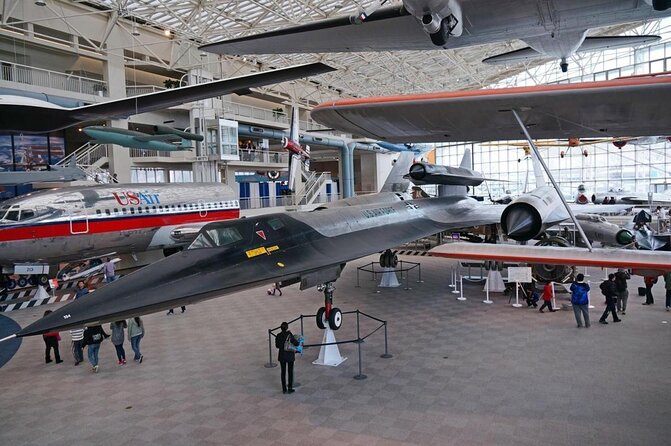
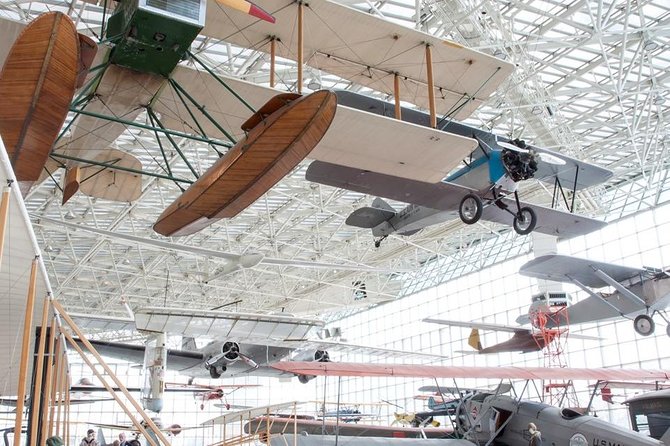
The museum’s Great Gallery is a standout space of its own. It is a six-story glass building with 43 aircraft, spanning from the 1920s to the present. That kind of timeline layout helps you see how aircraft design evolved—materials, engines, shapes, and the shift in what aviation needed to solve over time.
You may also see some rare and famous aircraft in this collection, including a rare M-21 Blackbird spy plane and jet fighters from the Korean and Vietnam wars. There are also fun flight-simulator options mentioned in the museum description, including full-motion and 3D simulators. Those are not included with your entrance ticket, but the fact they are part of the museum’s lineup makes it clear why this place works well for both kids and adults.
If you like to read as you go, the Great Gallery is a good place to slow down. If you skim, you can still catch the big story arcs because the aircraft are arranged in a way that makes comparisons easier.
You can also read our reviews of more museum experiences in Seattle





Cockpit access and hands-on exhibits that actually feel practical
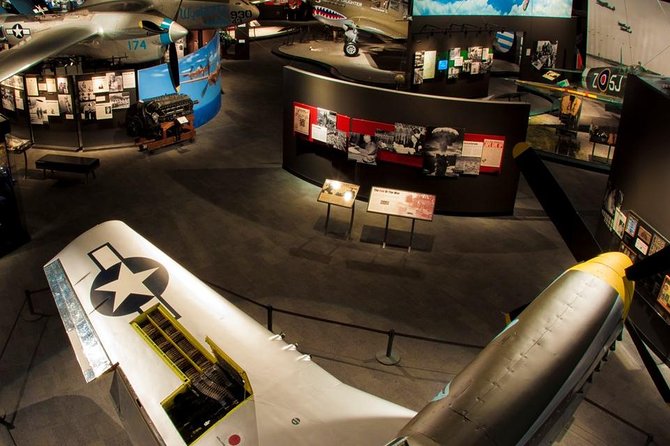
One of the big promises here is access—especially the chance to sit in a Boeing 747 cockpit. That kind of access turns aviation history from abstract to personal. Even if you do not know what every switch does, you start noticing how pilots manage checklists, what looks reachable, and how cramped or purposeful the cockpit design is.
The museum also leans into hands-on exhibits, and the visit is described as a must-do for space- and flight-buffs. From my perspective, the best part of interactive exhibits is that they help you connect across the whole museum. When you’re in a hangar full of aircraft, hands-on moments give your brain a reason to care, not just a place to look.
You will also find plenty of support around the museum experience. Written feedback in the prompt repeatedly highlights staff and docents being helpful and willing to share context. That matters because with aviation, the little explanations can turn a random aircraft into a specific story.
Outdoor breaks: bridge views when the weather plays along
The museum includes a weather-dependent payoff. On clear days, don’t skip the views from the T. Evans Wyckoff Memorial Bridge, where you can see Seattle-Tacoma International Airport and Mount Rainier.
This is a nice change of pace when your feet are tired from hangar floors. It also keeps the whole experience anchored to reality: flight is not just history behind glass. It’s happening right outside the museum boundaries.
Plan your outdoor time only if conditions are good. The experience notes that it requires good weather, and if it’s rainy, you’ll still be fine—there’s plenty indoors—but that bridge moment may not be what you hoped for.
How long should you plan: 2 to 3 hours, or more if you slow down
The ticket duration is listed as 2 to 3 hours (approx.). That is enough to see the most important highlights if you move efficiently.
But I strongly recommend you plan longer if you are the kind of person who:
- wants to read labels and not just photograph aircraft
- likes walking between buildings slowly
- wants to do optional add-ons like the theater movie and simulator time
In the prompt, you’ll find plenty of evidence of people spending around 4 to 5 hours to take in more of the museum. So your “best day” plan is: give yourself at least 3 hours, and if you’re a big aviation fan or visiting with kids, think of half a day rather than a quick stop.
Tip: if you’re going for a longer visit, bring water and consider snacks. One piece of practical advice in the provided details was to pack a lunch so you are not hunting when you hit your energy wall.
Price and value: what $29 gets you and what you’ll likely add
At $29 per person, this entrance ticket is good value for what you get: access to a huge air-and-space campus with 160+ aircraft and spacecraft. The museum is described as the world’s largest independent air and space museum, and it includes six buildings across a 23-acre campus. That scale alone matters for value—you are paying to use time in a big, full experience, not just to visit a small exhibit room.
What is not included:
- the 3D movie (added cost)
- tickets for the simulators, which you can purchase upon arrival
So if you want the full “space and aviation thrill” package, set aside extra budget for at least one add-on. If you skip those, you can still have a big day just from aircraft access, hangar exhibits, and the Space Shuttle training displays.
Bottom line on value: the entrance ticket is the right base. The extras are optional, but they are what turn the visit into a more personal, high-energy experience.
Who this ticket is best for (and who might not love it)
This works best for:
- aviation and space lovers who want aircraft close up
- families who want interactive exhibits and lots for different ages
- couples who want a museum day that does not feel stuffy
It can also work for non-experts. The museum is organized enough that you can enjoy it even without technical background, and the guided-style explanations and on-site help can fill in the gaps quickly.
Who might feel less thrilled:
- people who dislike walking and long exhibit days
- visitors who only want a short, quiet museum with minimal extras
If you want a one- or two-stop museum day, this may feel like too much. But if you’re happy to wander through hangars and spend time reading and looking, this is one of the easiest “yes” ticket buys in Seattle.
Should you book the Museum of Flight entrance ticket?
Yes, I’d book it if you want a Seattle attraction that is hands-on, huge, and genuinely centered on aircraft and space technology. At $29, the included access gives you a lot of moving pieces to enjoy—cockpit access, big training mockups, and a timeline display in the Great Gallery.
Book ahead if you can. The details note tickets are often booked about 17 days in advance, and that’s usually your sign that this is a popular plan. And keep your expectations right: the entrance ticket is the core, while the 3D movie and simulators cost extra, so decide ahead of time how much thrill you want.
If the shuttle trainer area is a must-see for you, it’s worth checking on the day what’s open, since closures have been reported.
FAQ
What does the Museum of Flight entrance ticket cost?
The entrance ticket price is $29.00 per person.
How long should I plan for the visit?
The duration is listed as about 2 to 3 hours, but it can take longer if you want to see more exhibits in detail.
Is the 3D movie included with the ticket?
No. The flight-themed 3D movie is mentioned as added cost.
Are the flight simulators included?
No. Simulator tickets may be purchased upon arrival.
What are the museum hours?
For 2026, the museum is open Monday through Sunday from 10:00 AM to 5:00 PM.
Do I get confirmation after booking?
Yes. Confirmation is received at the time of booking.
Is free cancellation available?
Yes. Free cancellation is available up to 24 hours in advance for a full refund.
Are service animals allowed?
Service animals are allowed.
Is the experience available in English?
Yes. The experience is offered in English.
Is it near public transportation?
Yes. The location is near public transportation.