REVIEW · SEATTLE
Best of Olympic National Park from Seattle: All-Inclusive Small-Group Day Tour
Book on Viator →Operated by Evergreen Escapes Seattle · Bookable on Viator
Olympic National Park feels like a whole other planet. This all-inclusive small-group day trip strings together the park’s coast, forests, lakes, and mountains with a naturalist guide—so you’re not just looking, you’re learning what you’re seeing as you go, whether you’re riding with guides like Marty or Evan. I love the built-in logistics: round-trip ferry crossings plus door-to-door Seattle pickup means you can spend the day outside instead of figuring out routes. One thing to consider: it’s a full 12-hour day, with several short walks, so you’ll want solid shoes and realistic expectations about pace.
The itinerary also makes sense for a one-day visit. You’ll hit big hitters like Lake Crescent and Marymere Falls, and if conditions allow, you’ll get up to Hurricane Ridge for wide-open views. The park’s scale can feel overwhelming on your own—here, the guide helps you prioritize and keep moving in the right direction.
In This Review
- Key reasons this tour earns its near-perfect score
- Olympic National Park, minus the planning headache
- The real value behind the $368 price tag
- Start at 7:30 am, with Seattle’s water already in your eyes
- Bainbridge-to-the-peninsula driving: where the park story begins
- Elwha River ecosystem: the big dam removal story on the ground
- Lake Crescent: glacial calm in a cathedral of trees
- Marymere Falls: short walk, big wow factor
- Salt Creek tidepooling: when the coast gets playful
- Hurricane Ridge: the payoff stop for views in any season
- Winter readiness: snowshoes, waterproof shoes, and layers that work
- Meals and snacks: the kind that keep you moving
- How the guide shapes your day (and how to get the most out of it)
- Return to Seattle: ferry sunset and a final look at the shoreline
- Who should book this Olympic day tour?
- Should you book it? My practical take
- FAQ
- What’s the group size on this Olympic National Park day tour?
- Where do you pick me up in Seattle?
- What food and drinks are included?
- Do you provide snowshoe gear in winter?
- Do I need waterproof shoes?
- What if it rains?
Key reasons this tour earns its near-perfect score
- Small group up to 10: easier conversations on the van and more attention on the trails
- Naturalist-led interpretive walks: you’ll get a reason for what you’re looking at, not just a photo stop
- Ferry time is part of the plan: Bainbridge and the return crossing add scenery without extra driving stress
- Season-adjusted hikes: short walks in most seasons, and snowshoeing when snow and access allow
- Food and gear are included: picnic lunch, snacks, and (in winter) snowshoe equipment mean fewer “what am I missing?” moments
- Hurricane Ridge is the weather-dependent payoff: when the road is open, the views are the main event
Olympic National Park, minus the planning headache
Olympic National Park is the kind of place where your expectations can outrun reality. The park is huge, the weather changes fast, and some roads and viewpoints depend on seasonal conditions. This tour solves the biggest issue: it gives you a guided route that hits multiple ecosystems in one day, with short, well-timed outings.
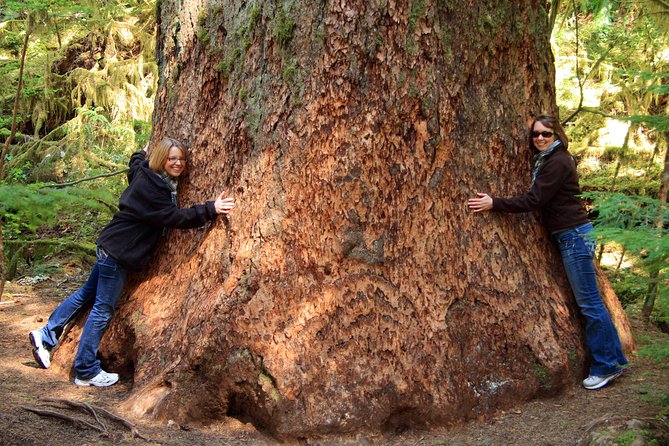
You’re also getting more than sightseeing. The naturalist guide is what turns a green forest and a rocky shoreline into something you can actually connect to—geology, plant life, and wildlife patterns are explained right on the spot while you’re walking. That matters because Olympic has a “read the landscape” quality. You can stand in front of old trees and waterfalls and still miss what makes them special unless someone points out the clues.
The other practical win is pacing. It’s not a frantic hit-list where you’re sprinting from one stop to the next. The guided hikes are set up to match the group, and the van moves you between environments efficiently—so you’re out doing things, not stuck in transit.
You can also read our reviews of more tours and experiences in Seattle.

The real value behind the $368 price tag
$368 sounds like a lot until you break down what you’re actually paying for. This is an all-inclusive full-day outing from Seattle with a professional naturalist, small group size, and park admission fees built into the day.
You’re also covered for big-ticket logistics:
- Round-trip transportation in a newer Ford Transit van
- Pickup and drop-off at downtown Seattle lodging (and options if you’re just outside the pickup zone)
- Ferry crossings as part of the route across Puget Sound
- Lunch and snacks, including coffee/tea with pastry snacks in the morning
- Beverages all day
- Snowshoe gear during winter months
If you were to plan this yourself, you’d likely spend time coordinating transit, buying tickets, and timing ferries and park entry—then you’d still be figuring out what to do once you arrive. Paying for a guide doesn’t just add comfort. It helps you avoid the common mistake of visiting only one side of Olympic and leaving with half the story.
Start at 7:30 am, with Seattle’s water already in your eyes
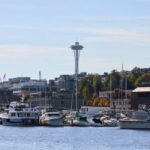
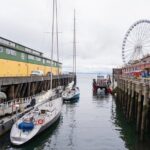
The tour begins with morning pickup in downtown Seattle around 7:30 am. Then you head to the ferry: you’ll board an iconic Washington State Ferry from downtown Seattle across Puget Sound to Bainbridge Island. This isn’t just transportation. It’s a view opener, and it helps set the tone for the day.
The ride also gives you a low-stress start before you enter the park. You’re on stable footing, with time to settle, meet your group, and listen to the naturalist talk about what’s coming next. From there, you continue toward the Olympic Peninsula, including a crossing over the Hood Canal floating bridge.
Plan for early light and cool air. Even in warmer months, the Sound and ferry deck can feel brisk. Bring layers and keep your hat or sunglasses handy, because Pacific Northwest sun can surprise you.
Bainbridge-to-the-peninsula driving: where the park story begins
Once you’re past the ferry terminal, the landscape starts changing. The drive is a warm-up act that connects Seattle’s edge to Olympic’s wild variety.
You’ll cross into Olympic’s world through a scenic drive that sets up the rest of the day: temperate rainforests, rugged mountains, and the Pacific coastline are all part of the same park—just in different pockets. You’re not just going from point A to point B. You’re traveling between ecosystems.
One neat detail: when you enter Olympic National Park, there isn’t a gate. The transition feels immediate—trees look larger, moss looks greener, and the whole atmosphere changes. It’s the kind of shift that makes you realize why guides call Olympic “a different place,” not just a different scenery stop.
Elwha River ecosystem: the big dam removal story on the ground
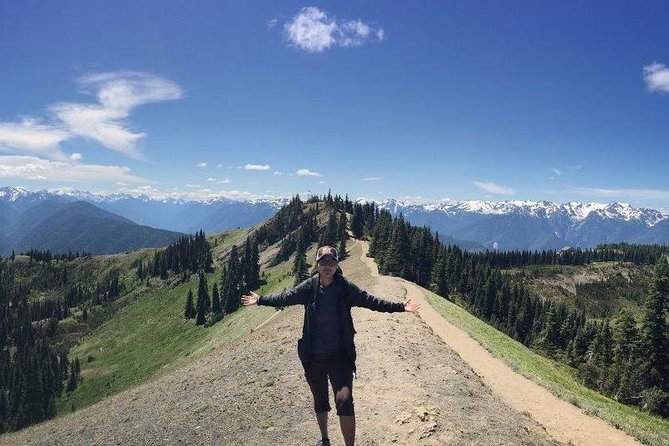
Elwha is one of those stops where you feel the landscape thinking about time. Depending on weather, you may visit the Elwha Dam Removal Site, which is tied to the largest dam removal project on Planet Earth.
Even if you’re not a history buff, this matters because it connects the park to a real ecological rebound story. You’re learning how rivers shape forests and coasts, and why the park’s ecosystems don’t just look old—they behave like living systems responding to change.
The stop is roughly an hour, so it isn’t a long lecture. It’s more like a guided grounding moment before you move into the calmer, slower beauty of lakes and waterfalls.

Lake Crescent: glacial calm in a cathedral of trees
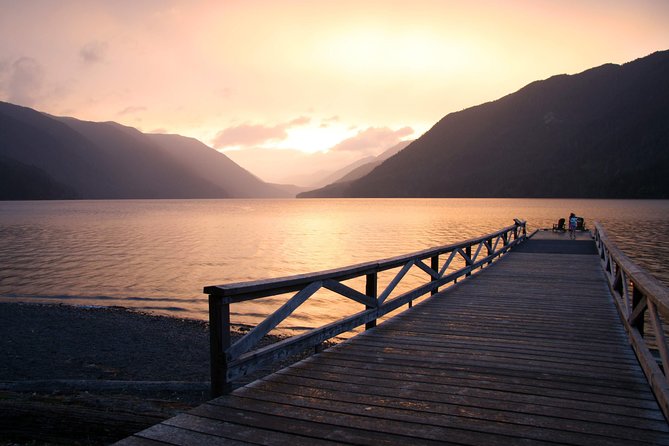
Then you shift gears to Lake Crescent, a peaceful glacial lake surrounded by old-growth forest. This is where Olympic can feel almost literary—towering trees, still water, and that soft, “everything is quiet” atmosphere.
You’ll get around 1.5 hours at Lake Crescent. That’s enough time to take in the views, stretch your legs, and absorb why Lake Crescent is such a signature spot. It also helps you recharge, because after this you’ll likely do more walking.
Possible drawback: if it’s rainy or foggy, the lake can look more muted and less photo-perfect. Still, even “gray day” Olympic has value. The forests and waterfalls tend to look dramatic, and the air feels fresh rather than harsh.
Marymere Falls: short walk, big wow factor
Next comes Marymere Falls, with a peaceful nature walk to a waterfall hidden among giant old trees. The time here is about 45 minutes, which is a sweet spot for a one-day itinerary: enough time to feel like you did something meaningful, not so long that you’re exhausted before the mountain views.
This is also the stop where the naturalist guidance really pays off. In Olympic, moss and vegetation can feel constant, but there’s a difference between seeing green and understanding what kind of green it is and why it’s thriving there.
If you’re carrying a camera or phone, give yourself a little extra time to stop and frame shots. Waterfalls like this can reward slow looking, and the group pace is built for those moments.
Salt Creek tidepooling: when the coast gets playful
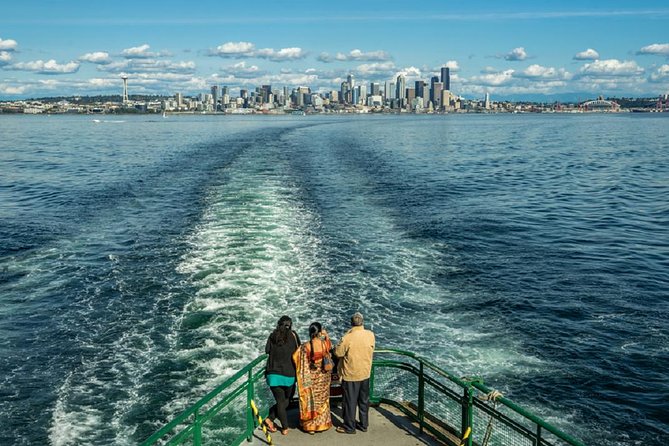
If conditions allow, you may head to Salt Creek Recreation Area for a stretch of the North Coast and the chance for tidepooling and photography. The stop is around 1 hour, so think of it as a chance to taste the coast rather than an all-day beach mission.
Tidepooling is weather-dependent, and your guide will factor in what’s safe and what’s worth your time that day. When the timing is right, tidepools can be a great reminder that Olympic’s “water world” isn’t only dramatic scenery—it’s also small, detailed life.
Possible drawback: if the weather is rough, you might spend less time out on the shore. But even then, you’ll still get that coastal feel from the scenic driving and atmosphere.
Hurricane Ridge: the payoff stop for views in any season
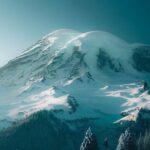
Hurricane Ridge is the moment people start talking with their hands. When conditions are right, the van climbs up to this high-elevation area for sweeping views of the Olympic Mountains and the surrounding region. On a clear day, you can even catch views far across the water.
In summer, expect a walk among subalpine meadows and a chance to spot wildlife like deer and marmots among wildflowers. In winter, when road access and weather allow, the hike can shift to snowshoes on the ridge.
This is also where the tour’s planning shows. Your guide’s job isn’t just to drive you up. It’s to read conditions—trail options, visibility, snow depth—and adjust so the experience matches what you can actually do that day.
If you’re aiming for the classic “Olympic postcard views,” this is the stop to show up mentally ready for cold air and altitude exposure. Even when the trail is short, the wind can be real.
Winter readiness: snowshoes, waterproof shoes, and layers that work
This is a year-round tour, and it runs in all weather. That’s great—until you’re unprepared for Olympic-style wet cold. From November through April, water-resistant or waterproof shoes are required, and you can reach out for rental options if needed.
The tour provides snowshoe gear during winter months, so you’re not trying to source equipment in a town where it’s not always easy to find. You should still bring warm layers, because being properly geared doesn’t replace being comfortable.
Practical tip: wear non-cotton outer layers if you have them. Cotton holds moisture and makes you colder over time. Also, if you’ll be outdoors most of the day, treat lunch and breaks as part of warmth management, not just eating.
Meals and snacks: the kind that keep you moving
This tour is genuinely set up for long outdoor stretches. You get:
- morning coffee/tea and local pastry snacks
- a fresh seasonal organic picnic lunch, usually taken outside
- lots of snacks plus water and sparkling water
That sounds basic, but it’s the difference between enjoying the day and counting the hours until you can sit down. With several walking stops and ferry crossings, low blood sugar and low hydration can turn a great day into a tense one. Here, the plan is built to keep you steady.
Also, the lunch spot tends to be quiet and scenic, which helps the whole day feel relaxed even when the schedule runs long.
How the guide shapes your day (and how to get the most out of it)
The tour’s best ingredient is the guide. Guides like Marty, Evan, Alex, Lindsay, Matthew, Brent, and Hannah come through in different ways—some keep the ferry conversation lively, others tailor the walks carefully for different hiking levels, and many are praised for patience and safety.
Here’s how to take advantage of that: ask questions while you’re walking. The guide’s explanations are designed to connect to what you’re seeing at that moment. When you engage, the day gets better fast.
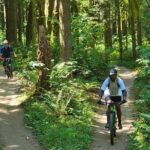
Also, don’t be shy about telling the guide what you’re comfortable with. The hikes are described as easy to moderate and are built to match guest needs. That means you should expect a day where the group isn’t forced into the same ability level without support.
Return to Seattle: ferry sunset and a final look at the shoreline
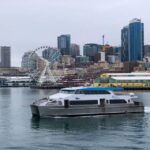
After the last park stop, you head back to Bainbridge Island and board the ferry again. On the return crossing, you come across the Sound with Seattle’s skyline in view, and the timing can turn the trip into a soft landing back into city life.
This part matters for a reason: it gives your legs a break before you’re back on the street. It also adds a final dose of water scenery, which is Olympic’s favorite theme—coast, rivers, rainforests, and lakes all connected by water in different forms.
Drop-off is back where you met in the morning.
Who should book this Olympic day tour?
Book this if you want:
- a high-success day in Olympic National Park without building logistics
- short guided walks paired with big view stops like Lake Crescent and Hurricane Ridge
- a guide who can explain ecosystems while you’re standing in them
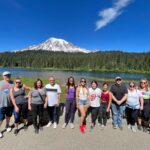
- a small group vibe (up to 10), which makes it easier to ask questions and move at a sensible pace
Skip this or consider another style of trip if:
- you hate early mornings and a full-day schedule
- you want long, strenuous hikes only (this is more short-walk and scenic-drive heavy)
- you’re dealing with mobility limitations and need very flexible pacing beyond easy-to-moderate walking
Should you book it? My practical take
If Olympic is on your list but you only have one day, I think this is a smart choice. The combination of ferry crossings, included meals, snowshoe gear in winter, and naturalist guidance makes the day feel complete instead of rushed. The best version of the tour happens when Hurricane Ridge is accessible and the weather cooperates, but even on gray days, you still get old-growth forest, waterfalls, and lake scenery worth the trip.
My final advice is simple: pack for wet cold, wear waterproof shoes if you’re going in the rainy season, and treat the guide’s recommendations as part of your plan. Do that, and you’ll leave with more than photos—you’ll leave with a sense of how Olympic works.
FAQ
What’s the group size on this Olympic National Park day tour?
This is a public small-group tour with a maximum of 10 travelers.
Where do you pick me up in Seattle?
Pickup is offered at downtown Seattle lodging, including hotels, Airbnbs, hostels, and the port area. If you’re outside the legal downtown pick-up zone, you can meet at the default pickup location: The Sheraton Grand Hotel. You can also request pickup on Bainbridge Island or in Port Angeles.
What food and drinks are included?
You’ll get morning coffee and/or tea with local pastry snacks, plus lots of snacks and water (including sparkling water). Lunch is a seasonal local picnic. Dinner is not included.
Do you provide snowshoe gear in winter?
Yes. Snowshoe gear is provided during winter months. Warm clothing is available upon request.
Do I need waterproof shoes?
From November through April, water-resistant or waterproof shoes are required. You can reach out for rental options.
What if it rains?
The tour operates in all weather conditions. The guide crafts the itinerary based on weather. If the tour is canceled due to poor weather, you’ll be offered a different date or a full refund.