REVIEW · SEATTLE
Seattle: Guided Underground Walking Tour
Book on GetYourGuide →Operated by Beneath the Streets · Bookable on GetYourGuide
If you like history with grit, this is for you. The Seattle Underground tour under Pioneer Square turns street level into a story you can walk through, with real evidence of how the city rebuilt after disaster. It is a guided 1-hour walk that stays mostly under the sidewalks while you learn why Seattle is literally layered.
I love two things most: first, the tour’s focus on three underground passageways built in the 1890s, so you see the physical result instead of just hearing a lecture. Second, the guides bring the Seattle Fire era to life with fast, funny storytelling; I saw names like Ritchie, Patti, Sarah, Mike, Jennifer, Imogen, and Eowyn pop up as memorable performers.
One thing to consider: the route includes six flights of stairs and there is no elevator access, so come ready for stairs and bring sturdy shoes.
In This Review
- Key highlights worth your attention
- Seattle’s Underground: Why Pioneer Square feels different after the tour
- Price and what you really get for $31
- Finding the start under Cherry Street Coffee (and what to look for)
- Your 1-hour Underground route: how the walk is paced
- Passageways built in the 1890s: what you’ll notice as you go
- Why this portion matters
- The Seattle Fire: the story’s turning point
- Raised streets and filled-in ground: the Underground’s logic
- Historic architecture you see from the inside
- Who should book (and who should think twice)
- What to bring (so stairs and underground don’t slow you down)
- The guide experience: why people keep talking about Ritchie, Sarah, and Patti
- How to use this tour after you finish
- Should you book the Seattle Guided Underground Walking Tour?
- FAQ
- How long is the Seattle Underground walking tour?
- Where do I meet for the tour?
- How many underground passageways will we see?
- What should I wear or bring?
- Is the tour accessible for mobility impairments?
- Is the tour indoors the whole time?
- Are pets allowed?
Key highlights worth your attention
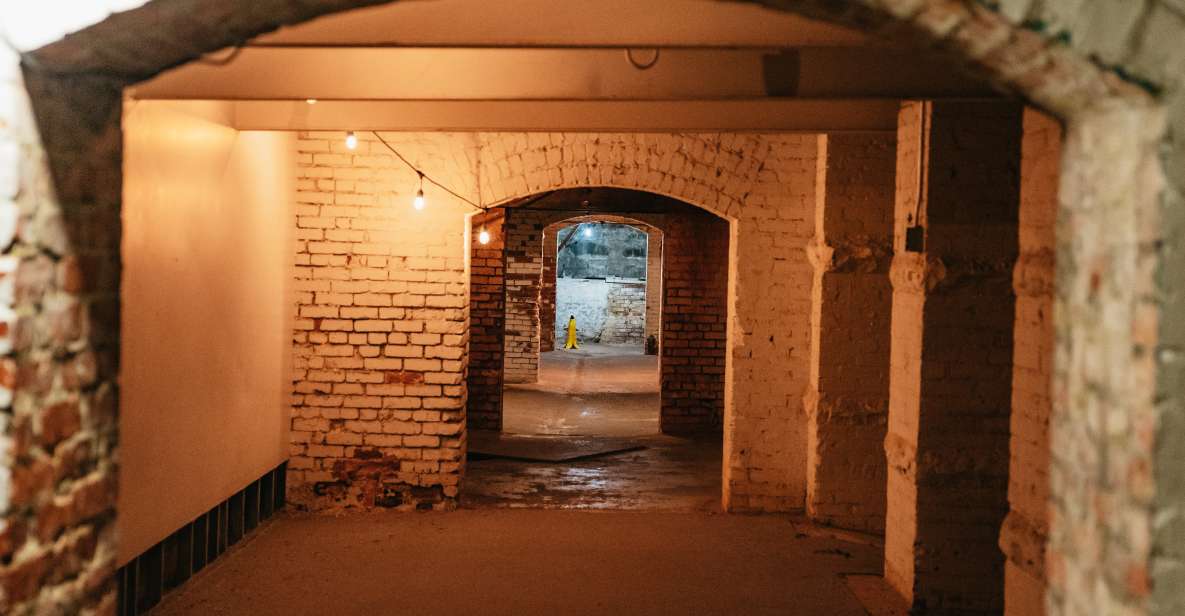
- Three 1890s underground passageways you can actually walk through under Pioneer Square
- Seattle Fire context plus how the city chose to recover and rebuild
- Stories about the raised streets—a major design change after the swampy ground problem
- Historic underground architecture you rarely notice above street level
- A live guide who keeps the pace tight for an about-1-hour visit
- Easy-to-follow meeting setup under Cherry Street Coffee, with a clear sign to find
Seattle’s Underground: Why Pioneer Square feels different after the tour
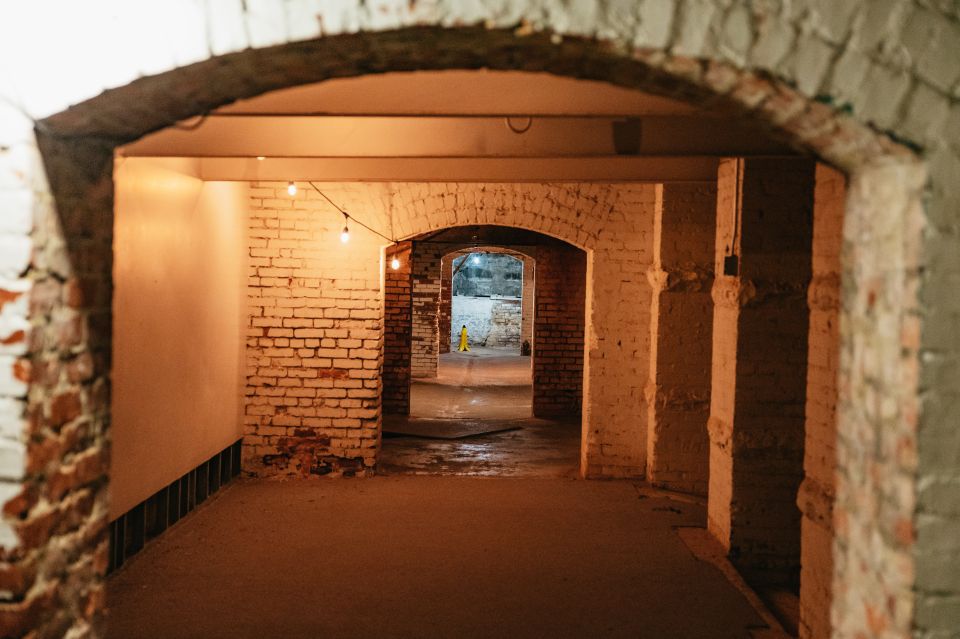
Seattle has a way of hiding its past in plain sight. One minute you are on a busy sidewalk in Pioneer Square, and the next you are moving through enclosed passageways that were built for a very different Seattle. The Underground isn’t just spooky folklore. It is a practical response to water, fires, and constant rebuilding.
What makes this tour special is that it connects the dots between old construction and the biggest turning point in local history: the Seattle Fire. You do not just hear the name. You learn what changed afterward—especially the choice to raise city streets out of swampy ground.
And since it is a guided walk, the stories land in real time. You will notice details—brickwork, walls, and the feeling of being “below” the street—much more than you would on your own.
You can also read our reviews of more walking tours in Seattle



Price and what you really get for $31
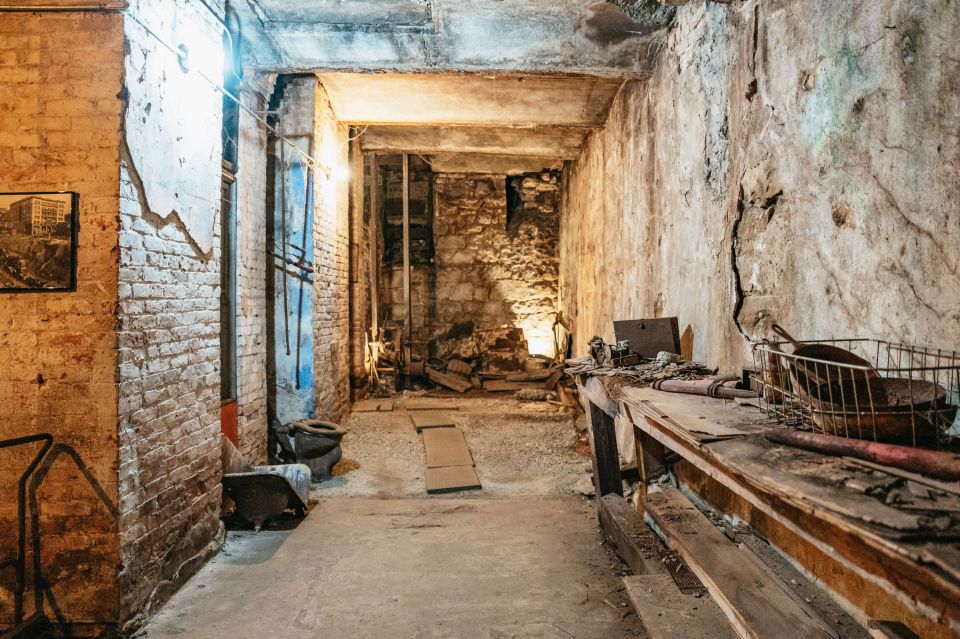
At about $31 per person for a 1-hour guided walk, this is one of those city tours that feels “small” in time but not in payoff. Underground tours often cost more because they involve specialized access and time with a guide. Here, you get a live guide, a focused route (about 4 city blocks), and a clear story arc: 1890s passageways, the Fire, then the rebuilt city plan.
Is it a bargain? It is priced like a solid experience rather than a long museum day. If you want a quick, high-impact history stop that fits into a busy Seattle schedule, this one makes sense.
Finding the start under Cherry Street Coffee (and what to look for)
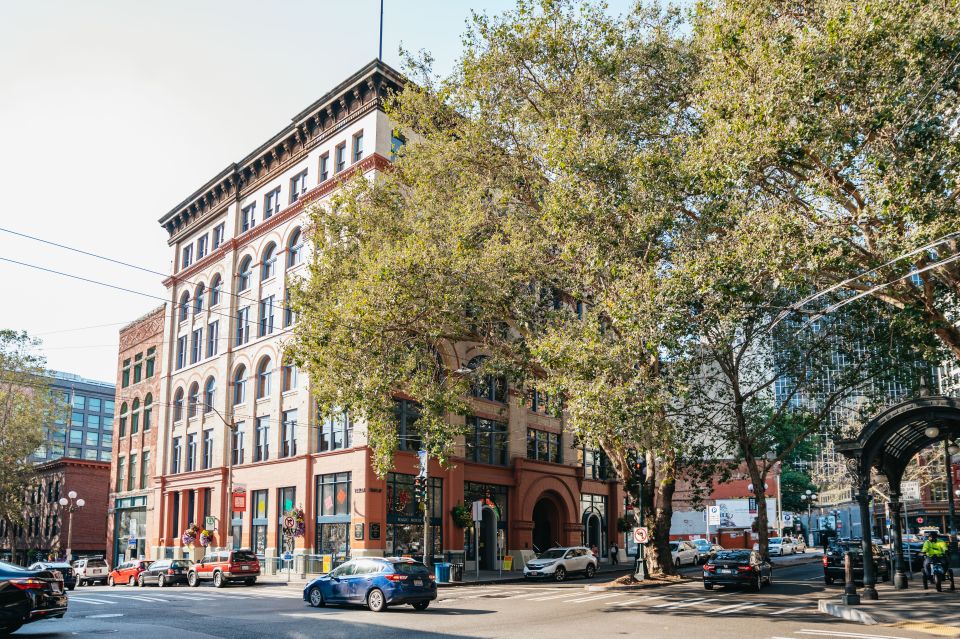
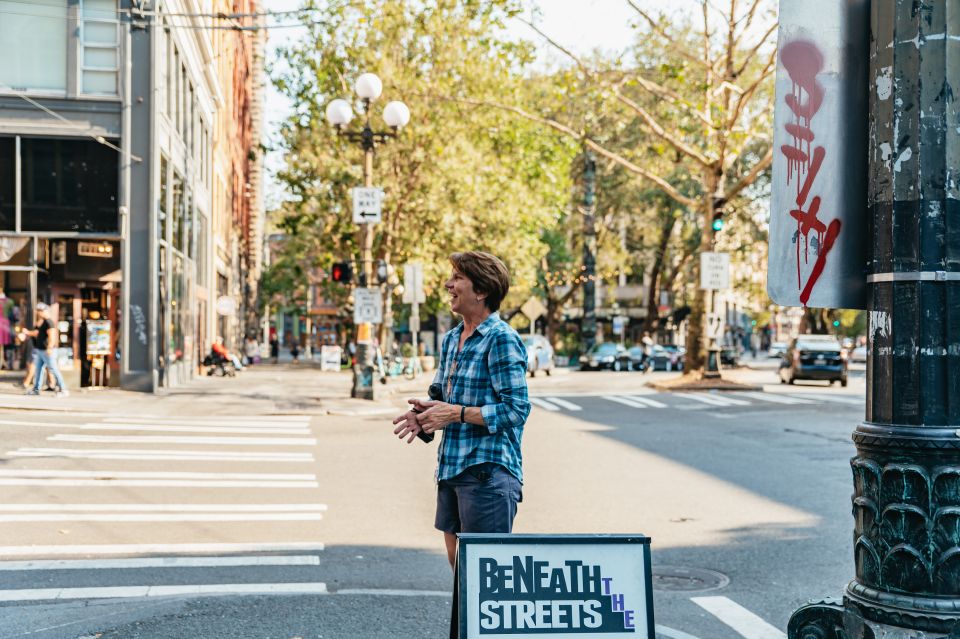
The tour meets underneath the Cherry Street Coffee shop. Before you go up or down the street, look for the Beneath the Streets black and purple sign. Then take the stairs down to the reception desk.
This matters more than it sounds. The meeting point is underground-level, and getting there on time helps the group start promptly. Since the tour is about an hour, you do not want to lose the first chunk figuring out where to go.
At the end, you come back to the same meeting point, so you are not left stranded across town.
Your 1-hour Underground route: how the walk is paced
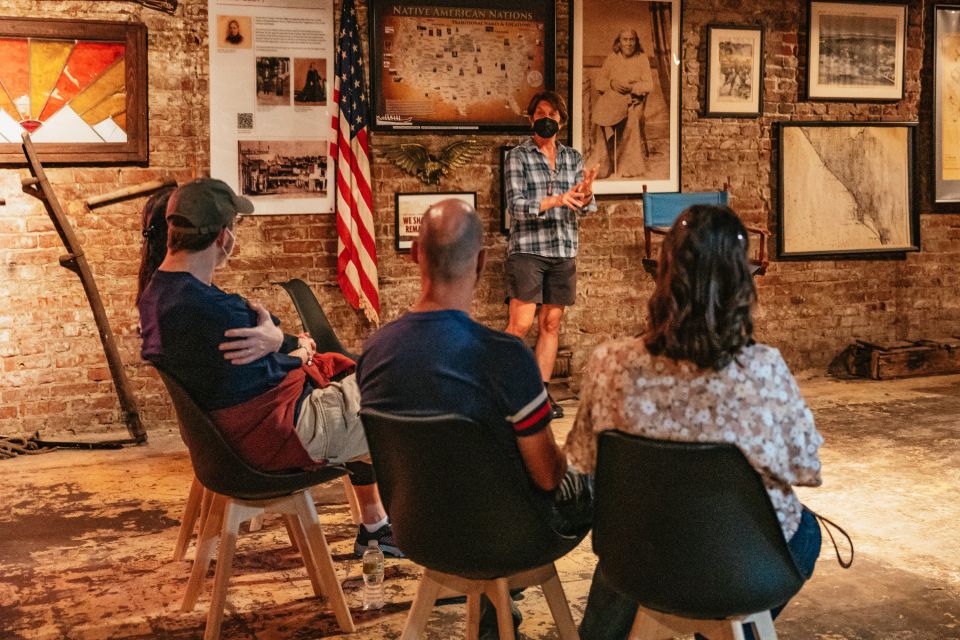
You will be underground for much of the experience, but the tour is described as both outside and underground. That usually means short transitions, not a whole-day “labyrinth” with constant darkness. Still, the main draw is the underground passageways beneath Pioneer Square.
The walk covers more than four city blocks, but it stays manageable. You are not asked to sprint, and the pace is structured around storytelling. Expect a rhythm: listen to the guide, walk a section, see the architecture up close, then hear the next chapter.
And yes—because this is Seattle—you might have rain at street level. One review specifically noted rain without ruining the fun, and the setup here is designed for a practical underground visit, not a fragile outdoor hike.
Passageways built in the 1890s: what you’ll notice as you go
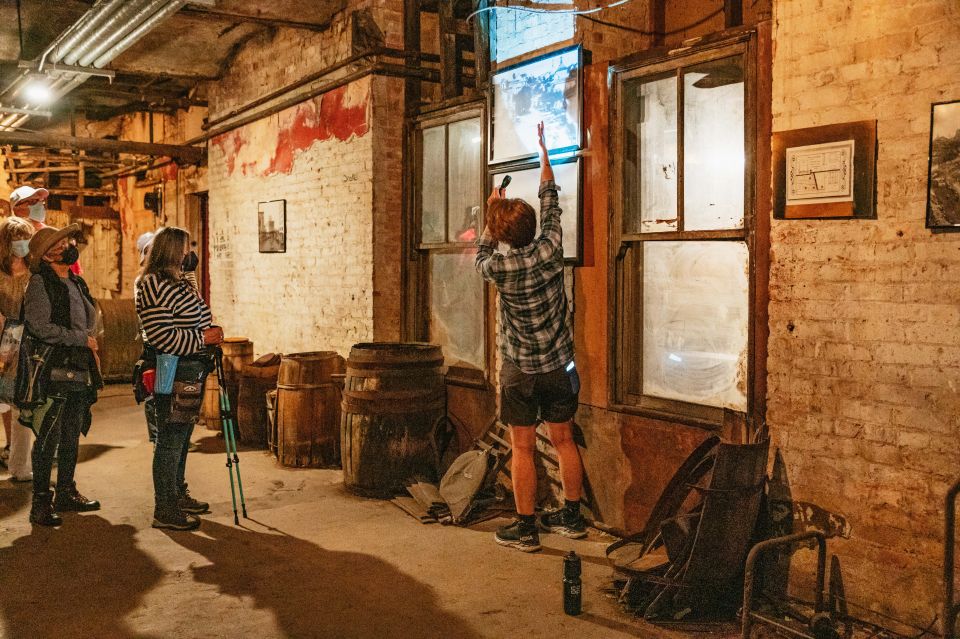
The heart of the tour is the sequence of three underground passageways originally constructed in the 1890s. That is a big deal because it means you are not just looking at “old stuff.” You are walking through the kind of infrastructure that shaped how people moved and lived under (and around) the earlier city.
As you move through each passageway, pay attention to the way the walls and structure feel more permanent than a tourist set-piece. You’re seeing how the city was literally built, not how it was later imagined.
You can also read our reviews of more guided tours in Seattle






Why this portion matters
This is where you start to understand the Underground as engineering and urban planning—not just a quirky detour. The city’s choices about drainage, ground conditions, and street height changed over time, and these passageways are part of that layered story.
The Seattle Fire: the story’s turning point
The tour’s biggest historical anchor is the Seattle Fire, which destroyed large parts of the city. Instead of leaving the Fire as a scary date, the guide connects it to the practical questions Seattle had to answer afterward: How do you rebuild fast? How do you rebuild smarter? And what do you do with a city sitting on swampy, tidal ground?
This is one of the most valuable parts of the tour because the Fire was not only tragedy. It was also the reason for major changes. You’ll hear how the city rebounded and how that rebound shaped what you see under Pioneer Square today.
In plain terms: after the Fire, Seattle did not just rebuild houses. It reshaped the city’s layout.
Raised streets and filled-in ground: the Underground’s logic
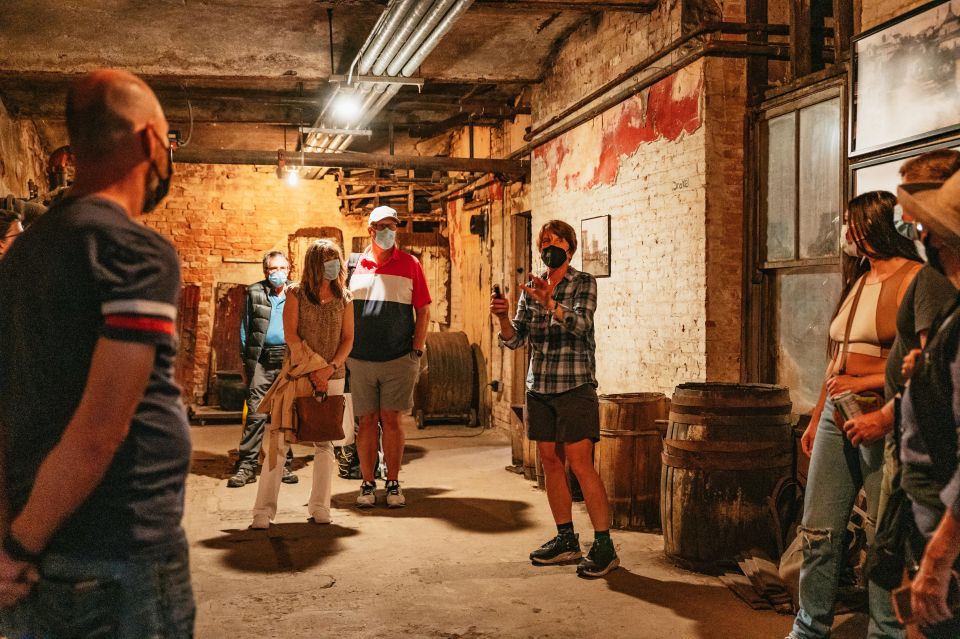
One of the most fascinating concepts you’ll learn is why Seattle made a major decision to raise the city streets out of swampy grounds. When the streets go up, the buildings, steps, and passageways underneath end up below the new surface. That’s where the Underground idea becomes real.
As you walk, your guide explains the logic behind changes like adding retaining walls alongside the streets and filling areas to create roads several feet higher than what stood there before. You do not need a civil engineering degree to get it. Once you see the vertical shift in your mind, the underground rooms make sense.
This is the point where the tour stops being “cool history” and becomes “I get how cities work.” It also helps you interpret what you’re seeing at street level afterward—especially around Pioneer Square, where the layers are hard to notice unless someone points them out.
Historic architecture you see from the inside
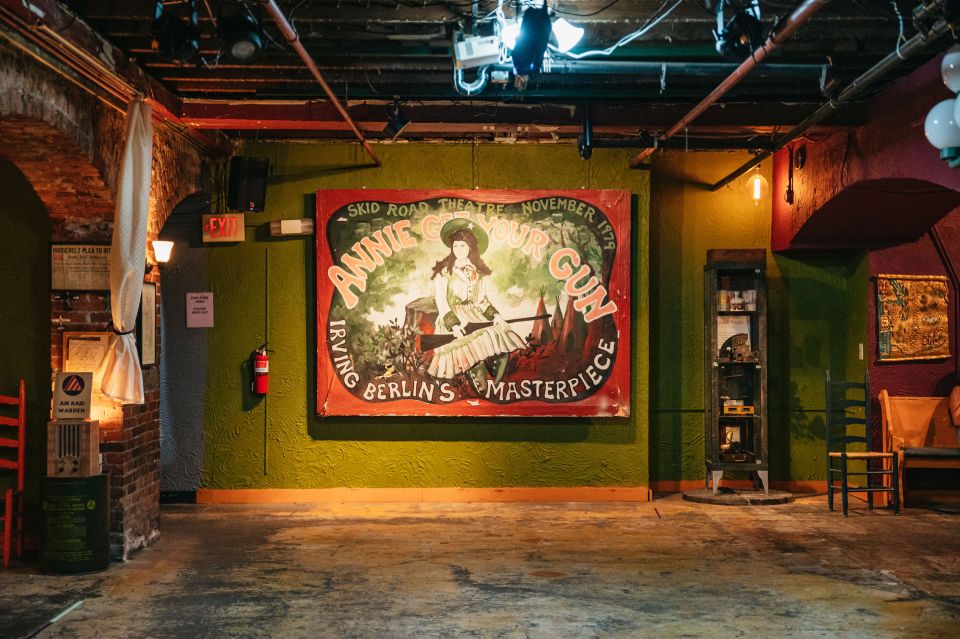
The tour’s appeal isn’t only what happened; it is also the architecture you experience while you hear the stories. Underground passageways preserve the sense of earlier construction methods and earlier street life. Even if you are not a “details person,” the underground setting naturally makes you slow down and look.
This is also why the guide matters so much. A good guide does not just recite dates. They point out what a person from the 1890s might have noticed—where the space feels designed for movement, how it connects to life above, and how it survives long after the original city layout changed.
Based on guide feedback you can expect a strong mix of humor and clarity. Names like Patti, Sarah, Mike, and Richard Z. were repeatedly highlighted for energy and storytelling style, and that’s what turns the architecture into a narrative.
Who should book (and who should think twice)
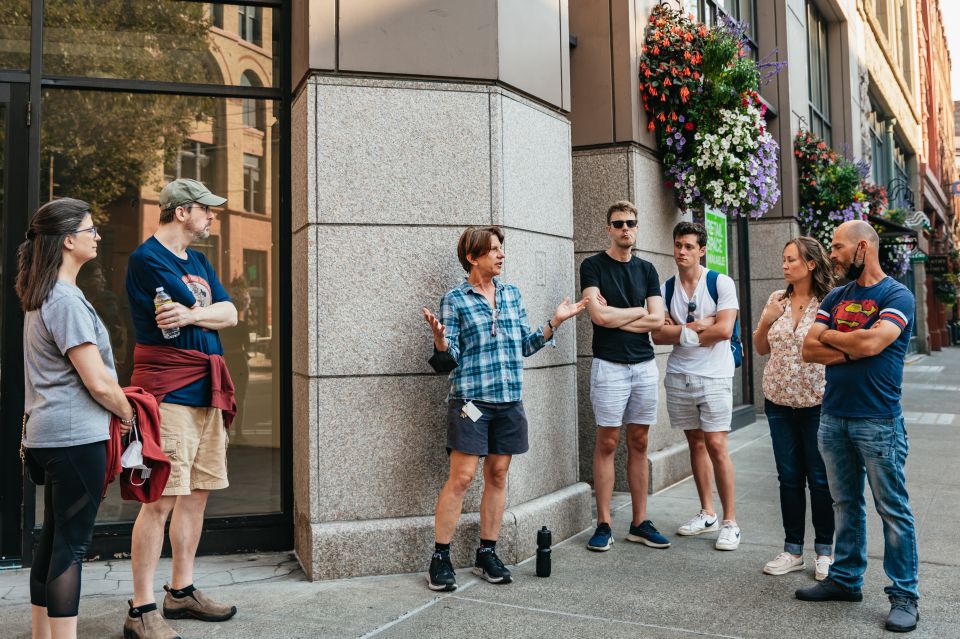
This tour is a great fit if you want:
- A short but memorable history stop in Seattle
- A guided walk with three real underground passageways
- The Seattle Fire story tied to street-level change you can visualize
It is less of a fit if you cannot handle stairs. The route includes six flights of stairs and there is no elevator. Strollers can be carried up and down stairs or stored in the ticket office for the duration, but mobility needs should be planned carefully.
Also, the tour is not suitable for pets, so plan for that ahead of time.
What to bring (so stairs and underground don’t slow you down)
Bring comfortable shoes. Seriously. This is the one “prep item” you can control. The walk is active enough that you want grip, support, and comfort for stair sections.
If you are traveling with a stroller, know that it can be stored during the tour, which makes the experience more manageable when the group heads underground. And since the tour is described as outside and underground, dress for Seattle weather too—light layers help.
The guide experience: why people keep talking about Ritchie, Sarah, and Patti
The reviews show a pattern: the tour lands because the guide is not just informative—they are entertaining and responsive. I’d expect that same style here. People highlighted guides by name, including Ritchie (often noted as funny and knowledgeable), Patti (good energy and interesting info), Sarah (very engaging), and Imogen (passionate and fun throughout).
What that means for you: if you like learning through stories—rather than reading signs—you’ll probably enjoy this a lot. If your group can hear the guide clearly, you’ll also catch more of the small “how and why” explanations about the Fire and the street-raising decisions.
How to use this tour after you finish
Here is a smart way to get extra value: after the tour, go back up to Pioneer Square and look at the streets with your new mental map. You’ll be better at spotting where street height must have changed, and why underground passageways exist where they do.
Also, if you plan other nearby stops, you can treat this tour as your orientation. You’ll have context for the neighborhood, not just points on a list.
Should you book the Seattle Guided Underground Walking Tour?
Yes—if you want a high-value, 1-hour guided history walk that turns the Seattle Underground into something you can see, not just imagine. The price is reasonable for a live guide and a route that includes three 1890s passageways, plus the big storyline of the Seattle Fire and the rebuilding decisions that led to raised streets.
Skip it only if stairs are a dealbreaker for you, since the tour includes multiple flights and has no elevator. If you are good with stairs and you want your Seattle history fast and memorable, this is an easy “put it on your schedule” choice.
FAQ
How long is the Seattle Underground walking tour?
The tour is 1 hour long, and you can check available starting times when you book.
Where do I meet for the tour?
Meet underneath the Cherry Street Coffee shop. Look for the Beneath the Streets black and purple sign, then take the stairs down to the reception desk.
How many underground passageways will we see?
The tour route includes three underground passageways originally constructed in the 1890s.
What should I wear or bring?
Wear comfortable shoes. The tour involves stairs and walking through underground spaces.
Is the tour accessible for mobility impairments?
It is not suitable for people with mobility impairments, and there is no elevator. The route has six flights of stairs.
Is the tour indoors the whole time?
No. The tour is described as outside and underground, so you may be outside briefly.
Are pets allowed?
No, pets are not allowed on this activity.