REVIEW · SEATTLE
Mt Rainier National Park Small Group Day Tour from Seattle 2CanGo
Book on Viator →Operated by Jupiter Legend Corporation · Bookable on Viator
Rainier is bigger than you think. This small-group day trip from Seattle sends a guide and vehicle into Mount Rainier National Park, so you can spend your time on the main sights instead of figuring out mountain driving.
I love that lunch, snacks, and bottled water are part of the deal, which keeps the day comfortable from first pickup to the final return. One possible drawback: this trip is weather-dependent, and in winter or stormy conditions you may trade some viewpoints for easier access options—and the narration quality can vary by guide.
In This Review
- Key things I’d mark on your map
- Why Mount Rainier From Seattle Fits a One-Day Plan
- Seattle Pickups and the Small-Group Size You’ll Actually Feel
- The Morning Setup: Longmire Museum at 2,700 Feet
- Christine Falls and Narada Falls: Waterfalls You Can Hit Without a Big Trek
- Christine Falls viewpoint
- Narada Falls (summer only)
- Paradise Visitor Center: The Main Hub for Big Views and Big Snow
- Reflection Lakes: When the Mirror Works, It’s All You Need
- Winter Plan in Real Life: Wonderland Trail Plus Backup Viewpoints
- What if snow and road conditions get heavy?
- How Much Walking Will You Do (Hiking vs. Snowshoeing)?
- Food on the Road: Included Lunch, Snacks, and Bottled Water
- Guides, Timing, and the Photo Factor
- Weather Reality: Rain, Cloud, and the Summit View Lottery
- Price and Value: $148 for a Seattle-to-Rainier Day
- Who Should Book This Tour (and Who Might Want a Different Format)
- Should You Book This Mt. Rainier Small Group Tour From Seattle?
- FAQ
- How long is the Mt. Rainier National Park day tour?
- What time and where do pickups start in Seattle?
- Is park admission included?
- What food and drinks are included?
- What stops do you visit in summer?
- What stops change in winter?
- Is there hiking or snowshoeing during the tour?
- How big is the group?
- What should I bring and what happens if weather cancels the tour?
Key things I’d mark on your map
- Seattle-area pickup times from multiple hotels and stops, starting around 7:45 AM
- Longmire Museum as your intro (south side, about 2,700 feet) with longer time in winter
- A waterfall circuit that’s mostly road-accessible: Christine Falls, plus Narada Falls in summer
- Paradise Visitor Center timing in warm months and Reflection Lakes photo moments when skies cooperate
- Winter shifts to Wonderland Trail (scenic portion) and foot-of-mountain views if roads get rough
- Maximum 12 travelers, so you’re not stuck in a huge crowd at each stop
Why Mount Rainier From Seattle Fits a One-Day Plan
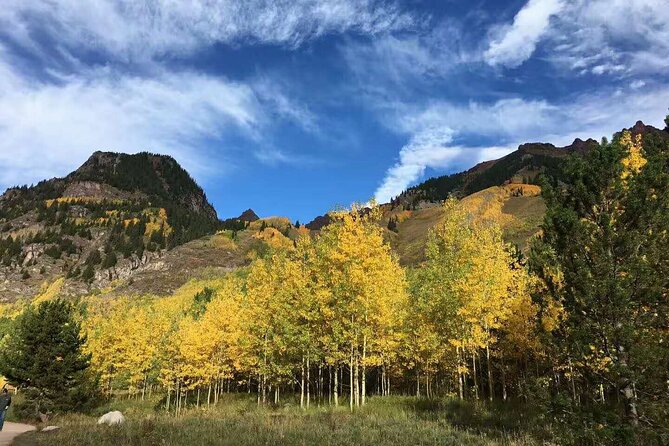
Mount Rainier can feel like a whole vacation by itself. This tour turns it into a focused day: you get transport from Seattle, a guide managing the turns and timing, and a tight loop of the park’s most famous areas.
What makes this one work for most first-timers is the mix of payoff with effort. You’re not trying to summit. Instead, you hit signature viewpoints and do short walks that make sense in both summer and winter. The mountain is also the real star here: even in cloudy weather you’re still surrounded by glacier country and Cascade scenery.
You can also read our reviews of more tours and experiences in Seattle.

Seattle Pickups and the Small-Group Size You’ll Actually Feel
The tour starts early, with pickup beginning at 7:45 AM (Seattle Chinatown) and running through several Seattle hotel options after that. You’ll want to double-check your pickup point and contact the operator at least 3 days prior with your exact location. If you miss the deadline, the tour assigns a default pickup.
A detail I appreciate: the operator plans around a group size capped at 12 travelers. That’s small enough for quicker movement at stops, but it’s still a van situation. Some people found the vehicle a bit tight for longer stretches, especially when everyone had to get in and out for frequent photo and restroom stops.
The Morning Setup: Longmire Museum at 2,700 Feet
Your first real stop is Longmire Museum in the historic Longmire district on the south side of Rainier. It sits at about 2,700 feet, and it’s a smart early move because it gives you context fast: park geology, wildlife, early explorers, and Native American history.
Timing changes by season:
- Summer: about 20 minutes
- Winter: about 60 minutes
That longer winter visit makes sense. When daylight is shorter and snow affects road access, you’re more likely to appreciate a longer indoor or sheltered break where you can warm up and reset.
Practical tip: even if you’re not the museum type, this is one of the easiest ways to get oriented. You’ll understand what you’re seeing later at viewpoints and waterfalls.
Christine Falls and Narada Falls: Waterfalls You Can Hit Without a Big Trek
Rainier’s best trick is that some of its loudest beauty is reachable from the road.
Christine Falls viewpoint
Christine Falls is a quick stop (about 10 minutes) and very easy to enjoy. It’s famous for its framing—especially with the stone bridge—so you can get that postcard look without committing to a long hike. This stop is subject to weather and road conditions, but it’s one of the most efficient photo moments of the day.

Narada Falls (summer only)
In warmer months, you’ll add Narada Falls (about 40 minutes in summer). This is a fan favorite because the waterfall plunges dramatically over hardened lava rock, and you’re right there close enough to feel the roar. The air can smell like cold water and wet stone when you step out.
One consideration: in winter, Narada isn’t part of the regular sequence. In stormy conditions, the guide may reshuffle priorities to match what roads and parking allow.
Paradise Visitor Center: The Main Hub for Big Views and Big Snow
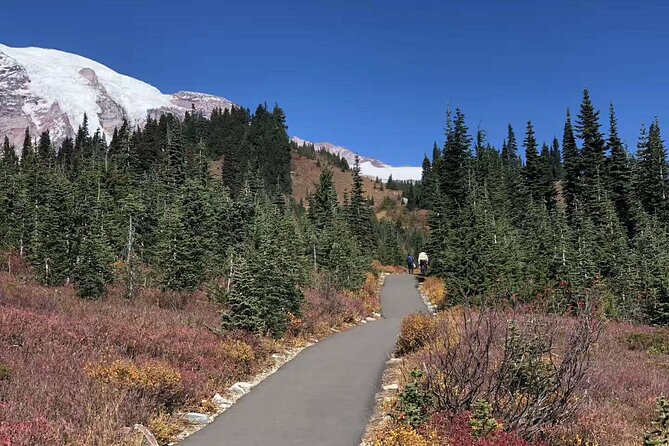
In May through October, the itinerary shifts to Paradise—the park’s most famous area for mountain views. You’ll visit the Paradise Wilderness Information Center, including the Henry M. Jackson Memorial Visitor Center, with about 2 hours of time.
Paradise is also a winter-use focus. The info here is practical even if you visit in summer: it’s where you understand why this place gets so much snow—over 53 feet per year on average—and how Rainier feeds rivers, waterfalls, and forests.
If your day includes Paradise, you’ll also want to plan for how this stop changes depending on conditions. When clouds are low, the viewpoint experience can be more about foggy drama than clear summit views. When it’s clear, the views can be the centerpiece.
Reflection Lakes: When the Mirror Works, It’s All You Need
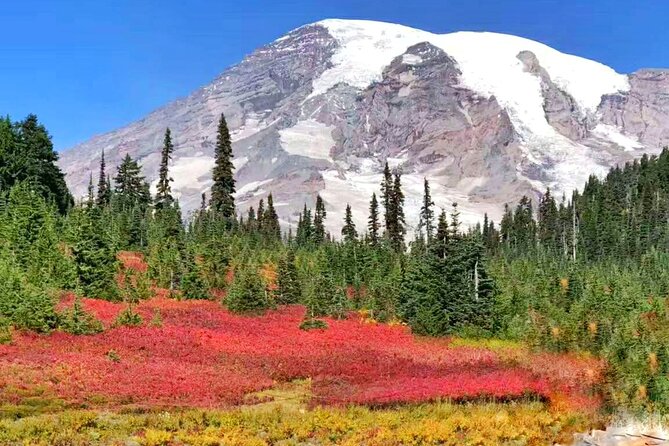
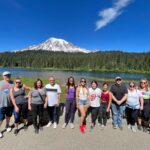
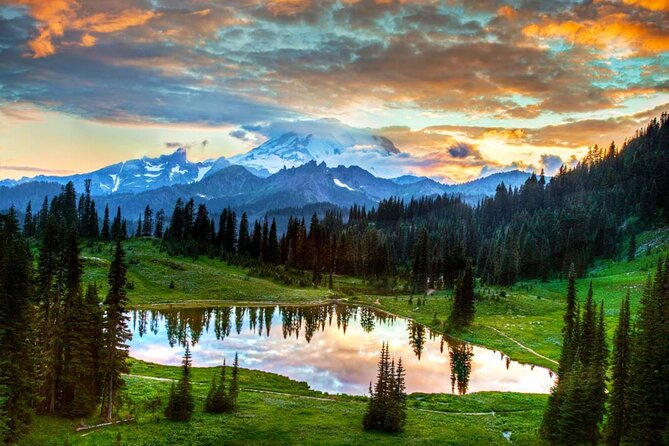
Reflection Lakes is a short stop (about 10 minutes). The idea is simple: on calm days, the lakes mirror Rainier, creating one of the park’s most iconic scenes.
The catch is also simple: you need the right conditions. If winds are up or clouds are thick, the reflection effect can fade. Still, even when it’s not perfectly mirrored, this area remains an easy, rewarding breather in the day.
Winter Plan in Real Life: Wonderland Trail Plus Backup Viewpoints
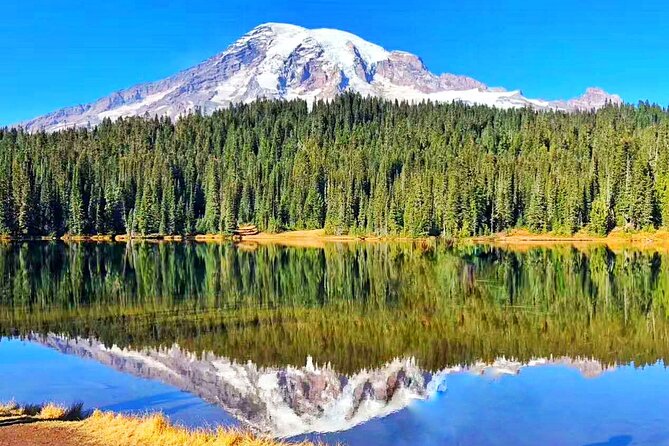
In November through April, the tour changes into a winter-focused route:
- Seattle → Mount Rainier National Park → Longmire Museum → Wonderland Trail → Seattle
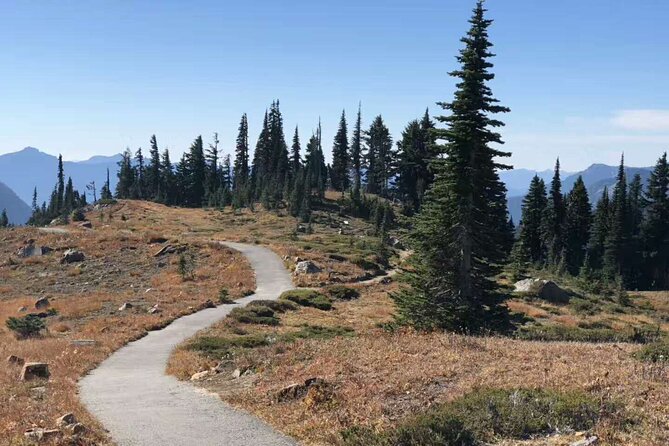
You’ll get a scenic portion of the Wonderland Trail for about 1 hour. It’s a great way to feel the scale of Rainier up close without committing to a full loop hike. In winter, that walk can feel like snow-country serenity—quiet, bright, and very different from summer park tours.
What if snow and road conditions get heavy?
Winter has an important rule in this experience: if snowfall is heavy and uphill access becomes unsafe or impractical, the schedule of going uphill may be halted. In that case, you’ll enjoy breathtaking views at the foot of the mountain instead.
There’s also a specific strategy for winter parking and stop selection. If conditions don’t support the usual waterfall and visitor center areas, the guide arranges parking for 1 to 2 attractions based on what’s workable. If winter weather pushes things out, you may end up going to Longmire Museum instead.
How Much Walking Will You Do (Hiking vs. Snowshoeing)?
The tour is designed around exploring the park’s best spots with a guide, and the activity type shifts by season:
- Hiking in warmer months
- Snowshoeing or winter walking depending on conditions
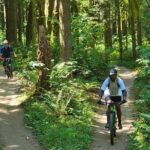
What you can count on: you’ll do short trail stretches and viewpoint walks that fit into a busy day. You’re getting the highlights without turning the trip into an all-day endurance event.
A helpful heads-up from real-world experience: some guides have provided practical winter gear like snowshoes and a hiking stick. You should still bring your own winter basics—comfortable traction-friendly shoes and weather layers—because conditions change fast.
Food on the Road: Included Lunch, Snacks, and Bottled Water
The tour includes:
- Snacks: granola bar and bottled water
- Lunch: a sandwich (most likely)
From a value standpoint, this matters more than it sounds. When you’re doing a long day with multiple stops, buying food from vending machines or random convenience stops can turn into both a hassle and a cost. Having lunch and snacks built in helps you keep your energy up during the walking windows.
My advice: still carry water beyond what’s included if you tend to drink a lot. The day runs 10 to 11 hours, and weather can swing between damp cold and bright sun.
Guides, Timing, and the Photo Factor
This is a guide-driven day. Your driver-guide manages:
- the road logistics
- the stop sequence
- and the practical flow of the group
From what I’ve seen in guide performance on similar small-group park days, the biggest difference comes down to narration style and how much the guide stays with the group during short walks. In this tour, guide quality can be a real highlight. People have praised guides like Ryan, Chris, Jennifer, Andy, Duan, Nan, and Jacki Zhang for being friendly, organized, and helpful with routes and photo moments.
One consideration to keep in mind: some people felt commentary was limited or hard to follow when English wasn’t as strong or when the guide used scripted descriptions at stops. If you care deeply about story-time narration, it’s worth booking with the expectation that guide styles can vary.
Also: some guests have suggested better mic coverage. In other words, if the van announcements aren’t audible for you, you may need to rely more on visual cues from the guide at each stop.
Weather Reality: Rain, Cloud, and the Summit View Lottery
This tour requires good weather. That’s not marketing fluff—it’s physics and safety. Roads around Rainier can change quickly, and visibility can vanish in mist.
When conditions are poor, you’re still out in a glacier-rich environment, just with different visibility. Some people experienced a morning where the top wasn’t viewable due to weather, but the guide made efforts to get the group a look and still delivered a strong day of waterfalls, snow, and views from reachable areas.
My practical advice:
- Dress for cold and damp even if Seattle looks sunny
- Bring sunglasses anyway (Rainier can be bright when breaks in clouds happen)
- Be flexible about which viewpoint is the best one of the day
Price and Value: $148 for a Seattle-to-Rainier Day
At $148 per person, you’re paying for more than entry into the park. The value mix here is:
- Roundtrip transport from Seattle with hotel pickup
- a professional driver and guide
- park admission included
- snacks and lunch
- and a guided plan for the main stops, adjusted for the season
If you were driving yourself, you’d still face the biggest costs: getting there and managing mountain road timing, then parking at multiple viewpoints. You’d also need to know which places are easiest to access in winter.
A final value note: gratuities aren’t included. The operator recommends about 10% to 20% for driver and guide.
Who Should Book This Tour (and Who Might Want a Different Format)
This is a strong choice if:
- you want Rainier as a day trip from Seattle
- you don’t want to rent a car
- you like road-accessible highlights plus a bit of walking
- you’d enjoy a small group where it’s easier to ask questions
It can also suit people who aren’t aiming for strenuous hikes. Several comments praised the tour as doable even for those who weren’t avid hikers, including older couples who wanted the views without long backcountry commitments.
You should consider another option if:
- you want long, self-directed time hiking far away from road stops
- you’re extremely sensitive to tight van seating during longer driving stretches
- you need heavy, continuous narration throughout the entire day (guide style can vary)
If you’re traveling with kids or have health considerations: anyone under 18 must be accompanied by an adult, and pregnancy is allowed only if you’re under 24 weeks pregnant by the end of the trip.
Should You Book This Mt. Rainier Small Group Tour From Seattle?
My take: book it if you want a well-timed, guided day that hits the most famous Rainier stops without the stress of driving and planning. The combination of pickup convenience, included admission, and food on the road makes it feel like less work for your time in Washington.
Just go in with a realistic mindset. Rainier weather is unpredictable, and winter especially can mean viewpoint swaps. Also, small-group does not always mean spacious van comfort, and narration quality can depend on the specific guide you get.
If your goal is: see Rainier with minimal hassle, maximize the iconic stops, and get outside for a few good walking windows—this tour is a solid match.
FAQ
How long is the Mt. Rainier National Park day tour?
It runs about 10 to 11 hours.
What time and where do pickups start in Seattle?
Pickup begins at 7:45 AM from Seattle Chinatown at 616 6th Ave S. Other pickup options include several downtown Seattle hotels, plus Sea-Tac area hotels later in the morning.
Is park admission included?
Yes. Admission of Mount Rainier National Park is included.
What food and drinks are included?
You get snacks (granola bar and bottled water) and lunch (a sandwich, most likely).
What stops do you visit in summer?
In summer (May–October), the route includes Longmire Museum, Christine Falls, Narada Falls, Paradise Visitor Center, and Reflection Lakes.
What stops change in winter?
In winter (November–April), the route includes Longmire Museum and a scenic portion of the Wonderland Trail (about 1 hour). The plan may shift based on winter weather.
Is there hiking or snowshoeing during the tour?
Yes. The tour is designed for exploring the park by hiking or snowshoeing depending on the season. In winter, you also get time on the Wonderland Trail.
How big is the group?
This tour has a maximum of 12 travelers.
What should I bring and what happens if weather cancels the tour?
Bring comfortable shoes, weather-appropriate clothing, sun hat, sunglasses, sunscreen, cash, and extra drinks for hydration. The tour requires good weather; if it’s canceled due to poor weather, you’ll be offered a different date or a full refund. You can also cancel for a full refund up to 24 hours before the experience start time.