REVIEW · SEATTLE
Only Wildlife and Whale Watching Tour Leaving from Seattle
Book on Viator →Operated by FRS Clipper · Bookable on Viator
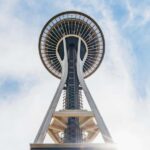
Pier 69 puts whale spotting steps from downtown. This cruise runs straight from Seattle’s waterfront and heads out into Elliott Bay and the Salish Sea, with an onboard naturalist helping you spot whales like orcas and humpbacks. You also get the fun of a sightseeing start: the Seattle skyline and Space Needle views as you leave the dock.
What I like most is how practical the experience is. You can choose between standard or premium seating, but you still end up out on the viewing areas where people actually scan the water, and the onboard food and drinks galley keeps you from doing the snack-panicked shuffle.
One thing to consider: seeing whales is never guaranteed, and the time-to-sighting can feel long if the wildlife stays distant. Some trips also get crowded on deck, which can make sightlines tougher if you’re short or you’re stuck behind other people.
In This Review
- Key takeaways before you book
- Pier 69 to the open water: why this launch is such a smart start
- The Salish Sea search: what you can realistically hope to spot
- Onboard naturalist: turning a sighting into real understanding
- Seating vs deck reality: standard, premium, and how to get a good view
- The boat ride experience: comfort, crowding, and how it really feels
- Food and drinks galley: staying fueled without wrecking your budget
- Duration and timing: why your day may run longer than you expect
- Price and value: what $153.64 buys you on the water
- Who this fits best (and who should look elsewhere)
- Booking timing: how far ahead to plan
- Should you book this Seattle whale watching cruise?
- FAQ
- Where does the tour start?
- How long is the whale watching tour?
- What whales might we see?
- Is there a naturalist onboard?
- What seating options are available?
- Is food and drink available on the boat?
- Do I need to arrange transportation by air-conditioned vehicle?
- Do they allow service animals?
- What happens if the weather is poor?
- Can I cancel and get a refund?
Key takeaways before you book
- Pier 69 departure: you start near Pike Place Market and the Space Needle, so this fits cleanly into a Seattle day.
- Naturalist onboard: you’re not just watching—you’re learning as you search.
- Standard vs premium seats: premium can help a bit, but deck viewing is still the main show.
- You’ll share the deck: expect lines of people scanning at once, especially at peak sightings.
- Bring comfort items: motion-sickness prep and a small pair of binoculars can make a big difference.
Pier 69 to the open water: why this launch is such a smart start
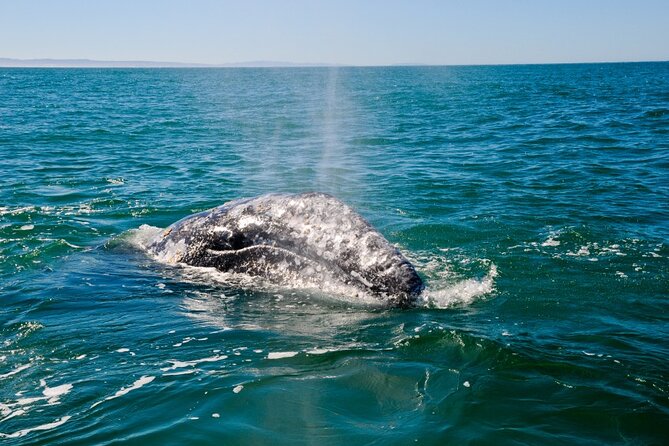
This whale watch starts at Pier 69 at 2701 Alaskan Way, right by Seattle’s downtown waterfront. That matters because you’re not starting in some far-flung port area that eats your time. If you’re staying downtown, this is an easy add-on to a day that already includes Pike Place Market and the Space Needle.
When the boat leaves the dock, it heads into Elliott Bay. You get a smooth, scenic glide first, which is great even if you’re still hoping for the big animals. From the water, you see the city’s shoreline slide by and you get that classic Seattle postcard view from a new angle. It’s one of those moments where you feel like you’re getting your money’s worth even before the wildlife search really ramps up.
The boat ride out also sets expectations: you’re going to spend real time on the water, and whale spotting can be a waiting game. If you’re the type who hates “just standing around,” lean into the fact that you’ll have a naturalist onboard and multiple places to look—not one cramped corner.
You can also read our reviews of more whale watching tours in Seattle
The Salish Sea search: what you can realistically hope to spot
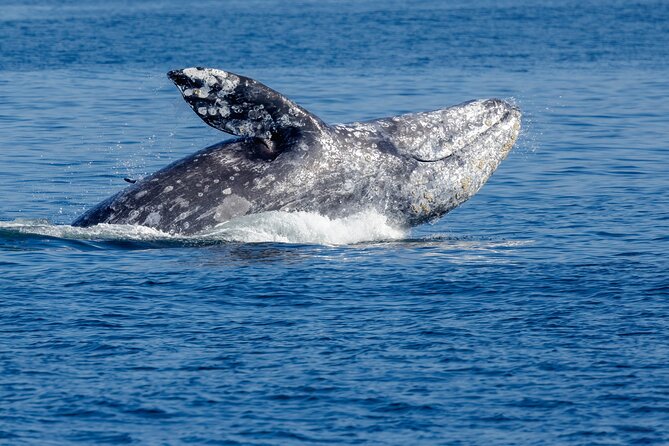
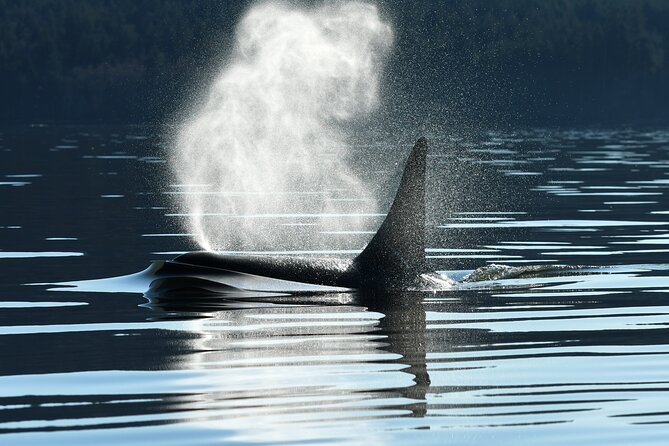
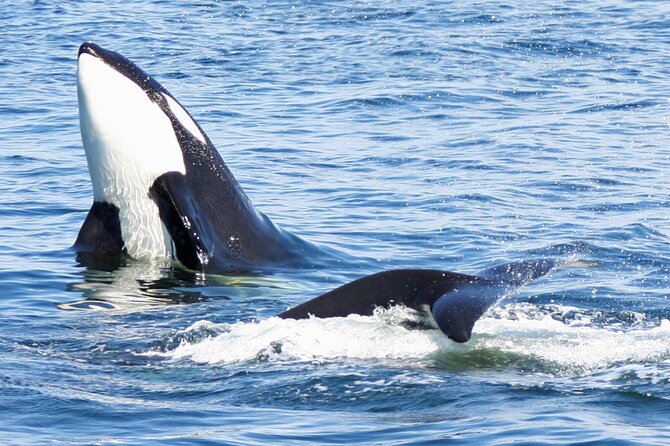
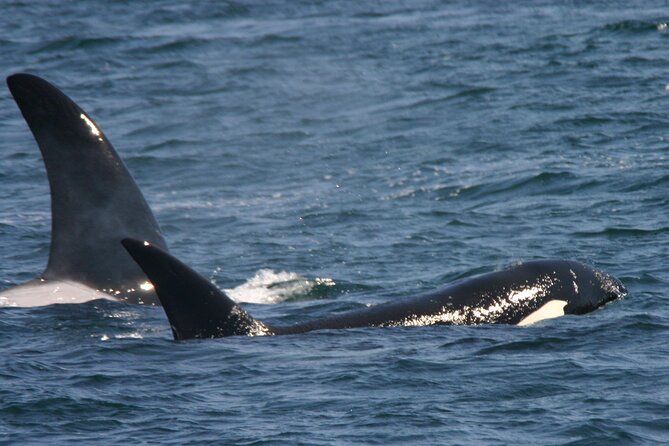
Once you’re out in the Salish Sea region, the tour focuses on spotting whales and other marine wildlife in their natural habitat. Based on what the cruise commonly hunts for, keep your eyes open for orcas, humpback whales, gray whales, and minke whales.
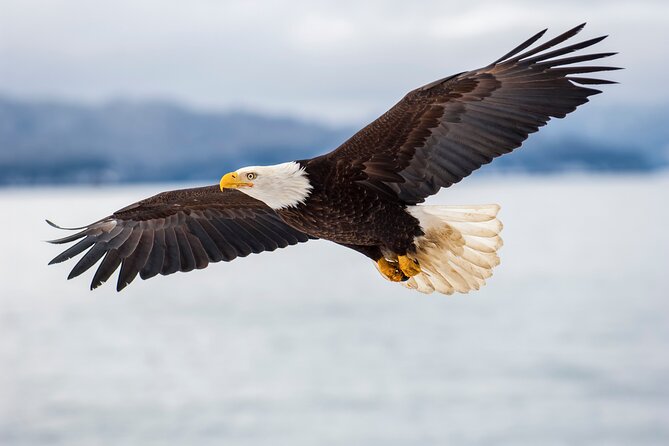
And it’s not only whales. You might see seals and sea lions too, plus porpoises, bald eagles, and other marine birds. That mix is a real win for your odds. Even on days when the main target sightings are slow, the water often still shows activity—blow spouts here, surface time there, and birds doing their thing.
One pattern I’d plan around: animals can stay far enough out that you’ll need patience. Some people get amazing luck right away, while other outings involve a longer scan before anything meaningful pops up. A couple of guests specifically noted long stretches (around 90 minutes each way on one trip) before whales were closer, and that’s the kind of “range of reality” you should be ready for.
So my advice is simple: think of this as a wildlife search plus a Seattle waterfront cruise, not just a guaranteed whale-contact mission. When you frame it that way, the whole day stays fun.
Onboard naturalist: turning a sighting into real understanding
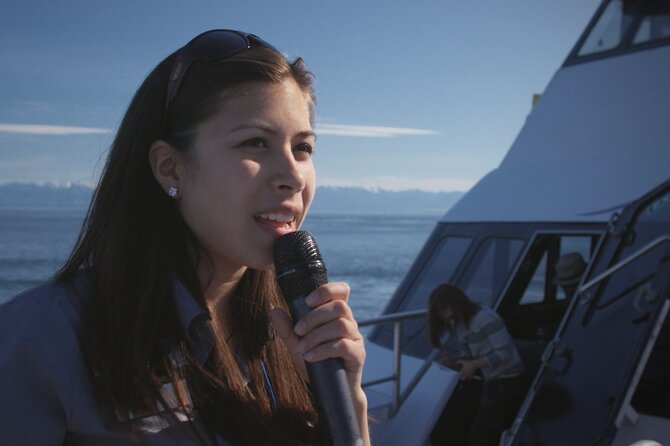
The best whale tours don’t just point out shapes—they teach you how to read what you’re seeing. This one includes an expert onboard naturalist who provides commentary and answers questions as you cruise and scan.
In practical terms, that means when you do spot something, you get help sorting what you’re looking at. One guest even mentioned learning lots of specifics about adult orcas and how the staff explained what they were seeing in the moment. Another name you might hear onboard is Allison, who was highlighted for giving a lot of great information.
That matters because whale-watching isn’t like a zoo. Even if you’re lucky, you can spend your time guessing. With a naturalist, you’re more likely to go home saying things like: I understood why that pod was behaving that way, or I knew which whale I was seeing when it surfaced.
If you like having context—conservation efforts, whale behavior, and what makes the local ecosystem tick—this tour has the right ingredient. It turns the water into a lesson, without killing the fun.
Seating vs deck reality: standard, premium, and how to get a good view
You can pick standard (non-window) or premium seating options. The idea sounds like: premium equals easier whale viewing. In real life, it’s more complicated.
Here’s what I’d trust: the deck and viewing platforms are where you’ll do most of your scanning, and those spots can get crowded. One common theme is that premium window seats aren’t necessarily the priority for whale watching once the boat is out searching. Some guests also said there was no early boarding for premium, so you can still end up in the same crowd-stacking situation.
Also, sightlines depend on where people are standing and where the boat positions itself. There are hints of both “the crew rotates so everyone can see” and “the boat didn’t rotate for my side.” The safe takeaway: don’t assume one exact seat guarantees a clear view of every sighting.
What I recommend instead:
- Bring a small set of binoculars. If you’re relying on the naked eye, you’ll often feel like the whale is a speck. With binoculars, you can actually track behavior.
- Expect to move. If someone spots activity, be ready to shift where the boat is turning and repositioning.
- Dress for deck time, not just seat time. Cold air hits on the water, and you’ll want to stay out long enough to catch the next surfacing.
If you’re short, moving early to a standing position near an open viewing area can help. If you’re not sure, choose standard seating and plan to do your best viewing from the outside deck.
The boat ride experience: comfort, crowding, and how it really feels
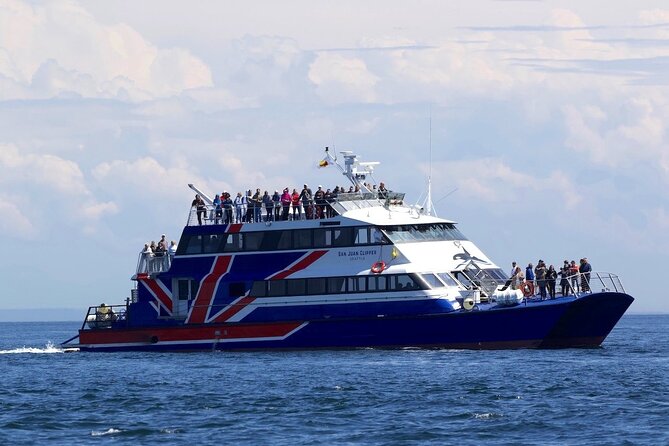
The cruise is sized for a group up to 150 travelers, so it’s not tiny. It’s also not a massive cattle-boat. Most people describe the vessel as comfortable and clean, with enough space to roam and find viewing angles.
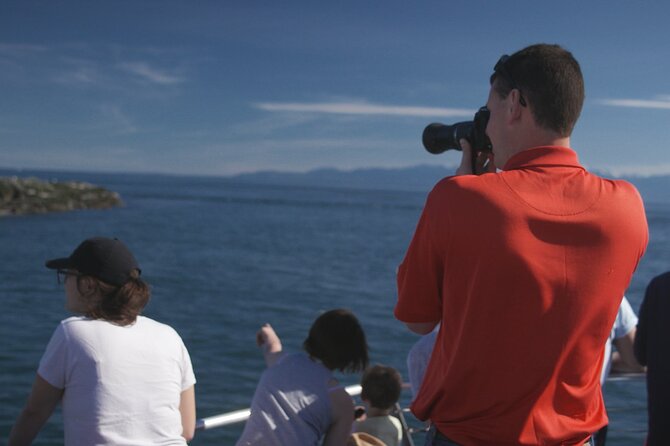
Crowding is the trade-off. When whales are active or the boat turns for a sighting, everyone wants the same side of the deck. That’s when you’ll see long lines of people leaning forward, cameras up, phones out, and everyone scanning at the same time.
If you’re planning to take photos, keep expectations realistic. A few guests noted that cell phone cameras don’t always produce very watchable results at whale-viewing distance. Binoculars help your eye catch the action; photos are still a bonus, but don’t count on perfect shots every time.
Motion comfort is another big factor. One guest advice was clear: bring motion-sickness support ahead of time, since it can take about an hour to fully kick in for some people. That’s not dramatic, but it’s smart planning. If you’re sensitive to boats, act early.




Food and drinks galley: staying fueled without wrecking your budget
This cruise has an onboard galley with food and drink options. It’s a genuine benefit on a 3 to 5 hour outing because you’re far from land comforts once you’ve left Pier 69.
A few guests were pleasantly surprised by the quality, saying the food was better than expected. Pricing was described as reasonably priced too, and that matters if you’re comparing this to other day trips where snacks can feel like airport prices.
Practical note: don’t assume you’ll want a full meal. Many people just want something warm or a quick bite while scanning. If you tend to get irritable when hungry, plan to grab snacks early before the best whale time has everyone rushing outside.
Duration and timing: why your day may run longer than you expect
The tour is listed as 3 to 5 hours. In practice, wildlife days can stretch. One person said their outing lasted about 6 hours, and another described spending around 3.5 hours before wrapping up.
So I’d schedule with flexibility. If you have a tight dinner reservation the moment you return, you might feel rushed. If you can, keep your evening open or plan a relaxed meal near downtown after you’re back at Pier 69.
Weather is also a factor. The experience requires good weather, and if it’s canceled due to poor conditions, you’ll be offered a different date or a full refund. That’s important in the Pacific Northwest, where fog and wind can change quickly.
Also remember: leaving downtown means you can pivot fast. If the tour ends up shorter or longer, you’re still close to plenty to do right away.
Price and value: what $153.64 buys you on the water
At $153.64 per person, this isn’t a budget activity. The value comes from the combination of:
- A prime Seattle departure (Pier 69) close to major sights
- A naturalist-led search, so you’re not just buying time on a boat
- Multiple opportunities to view from different parts of the vessel
- Onboard food and drinks so you’re not stuck paying for meals afterward
If your top goal is whale sightings and you mainly want the cheapest ticket, you might feel stretched. Some guests did say it was pricey, especially for families, and one person felt the experience wasn’t worth it when whales were scarce.
But if your goal is a day on the water with learning built in—plus the chance for orcas, humpbacks, and other wildlife—then the cost starts to make sense. You’re paying for the boat time, crew, and the interpretive layer that helps you enjoy the experience whether you see one whale or several.
One more value tip: if photo packages are offered onboard, it can be easy to misunderstand what’s included. One guest said they thought a download was included, then realized the photos were being sold. If photos matter to you, ask what the picture options include before you buy.
Who this fits best (and who should look elsewhere)
This whale cruise is a good match if you:
- Want a downtown start and a scenic waterfront outing
- Enjoy learning while you watch wildlife
- Are okay with the reality that sightings can vary day to day
- Like having a warm galley option so you’re not cold and starving on the water
It’s also fairly flexible for different traveler types. Some guests described it as toddler-friendly, with a boat size and setup that helps families keep everyone engaged. Service animals are allowed, so it can be workable for many visitors with specific needs.
If you’re a hardcore whale-chaser who needs back-to-back sightings and hates the possibility of limited wildlife, you should weigh the risk. A couple of guests felt underwhelmed when whales didn’t show or when viewing time was limited. That doesn’t mean the tour is “bad,” it means whale watching has variability and you’re buying a chance, not a contract.
Booking timing: how far ahead to plan
The tour is commonly booked about 27 days in advance on average. That’s a useful clue: if you’re traveling during a popular season or on a weekend, booking ahead helps you avoid last-minute sellouts and lets you choose your preferred seating option.
If your schedule is tight but flexible, you can still book, because this is weather-dependent. Just don’t assume you can book late and get ideal times if you’re picky about the sailing.
Should you book this Seattle whale watching cruise?
Book it if you want a classic Seattle day that starts right at Pier 69, includes an onboard naturalist, and gives you a strong chance at orcas and humpbacks (plus plenty of other marine life if whales are quiet). I also think it’s a good pick if you value comfort and hate the idea of a long, cold wait with no onboard food option.
Pass or at least shop around if you’re ultra sensitive to motion, hate crowds on decks, or you’re so “one whale or nothing” that you’d be disappointed by a slower sighting pattern. In other words: this is best when you’re open to the search part of the experience, not only the winning moment.
FAQ
Where does the tour start?
You meet at 2701 Alaskan Wy, Seattle, WA 98121, USA (Pier 69 area). The activity ends back at the same meeting point.
How long is the whale watching tour?
The duration is listed as about 3 to 5 hours.
What whales might we see?
The tour focuses on spotting orcas, humpback whales, gray whales, and minke whales. You may also see seals, sea lions, porpoises, bald eagles, and other marine birds.
Is there a naturalist onboard?
Yes. An expert onboard naturalist provides commentary and helps answer questions about whales and the local ecosystem.
What seating options are available?
You can choose from standard seating (non-window) or premium seating options.
Is food and drink available on the boat?
Yes. There is a food and drink galley available onboard.
Do I need to arrange transportation by air-conditioned vehicle?
No. Air-conditioned vehicle transport is not included.
Do they allow service animals?
Yes, service animals are allowed.
What happens if the weather is poor?
This experience requires good weather. If it’s canceled due to poor weather, you’ll be offered a different date or a full refund.
Can I cancel and get a refund?
Yes. You can cancel up to 24 hours in advance for a full refund. If you cancel less than 24 hours before the experience starts, the amount paid is not refunded.