REVIEW · SEATTLE
Welcome to Seattle Walking Tour
Book on Viator →Operated by Wander Northwest Walking Tours · Bookable on Viator
Seattle changes fast when you walk it. This guided route strings together major downtown sights plus the neighborhoods that make Seattle feel human. You’ll also get a Monorail ride and a guide who shares local recommendations along the way.
I like how the tour mixes big landmarks with smaller stops that connect the dots on how Seattle formed and grew. You’ll learn about events like the Great Seattle Fire and the Klondike gold rush, and you’ll hear the neighborhood story through areas like Japantown, the Chinatown International District, and Little Saigon.
One thing to plan for: it’s about a 2.5-mile walk, and the pace is active for around 2.5 hours. Wear shoes you trust and expect steps and hills in places.
In This Review
- Key Things That Make This Seattle Walk Worth $44
- Why This Seattle Walking Route Gets You Oriented Fast
- Meeting at Pioneer Square and Getting the Seattle Backstory
- Occidental Park to Waterfall Garden Park: Fire and the Gold Rush Feel Close
- King Street Station and the SODO/Stadium District Pass-By
- Chinatown International District and Hing Hay Park: A Cultural Route, Not a Photo Stop
- Union Station Great Hall and Downtown Architecture at Street Level
- Seattle Public Library and Pike Place Market Without the Rush
- The Seattle Center Monorail Ride and World’s Fair Grounds
- KEXP Finale: Coffee, Records, and a Last Batch of Local Ideas
- Price, Value, and What You Should Plan to Pay Later
- Who This Tour Suits Best (and Who Might Want a Different Plan)
- Should You Book This Seattle Walking Tour?
- FAQ
- How long is the Seattle Walking Tour?
- How much does the tour cost?
- Is the Monorail ride included?
- What language is the tour offered in?
- How much walking is involved?
- Are attraction tickets included for stops like Seattle Center sights or museums?
- Can I cancel for a full refund?
Key Things That Make This Seattle Walk Worth $44
- A small group size (max 15) that makes questions and conversation actually work
- Monorail included, so you get a fun Seattle icon without hunting down tickets
- Neighborhood variety in one route, from Pioneer Square onward through multiple cultural districts
- Photo time built in, so you’re not just speed-walking past everything
- Stops that teach context, like Seattle’s fire and gold-rush era, not just postcard views
- A smart ending at KEXP, where you can grab coffee and keep exploring with ideas from your guide
Why This Seattle Walking Route Gets You Oriented Fast
If you want to understand Seattle, don’t start with a map app. Start with feet on sidewalks and a guide who can point out what you’d normally miss. This tour gives you a clear arc: early Seattle roots, downtown rail and architecture, cultural neighborhoods, then out to Seattle Center.
You’ll like that it’s not just a checklist. The stops are short but intentional, and the guide’s job is to connect the dots between places you already recognize and places you might not think to visit on your own. It’s also offered as a morning or afternoon option, which helps if you’re planning around another tour, a show, or a day trip.
It’s also a good value model. You pay for a guide, structure, and one paid experience (the Monorail ride). Everything else is mostly look, learn, and ask questions, with free-entry viewpoints along the way.
You can also read our reviews of more walking tours in Seattle


Meeting at Pioneer Square and Getting the Seattle Backstory
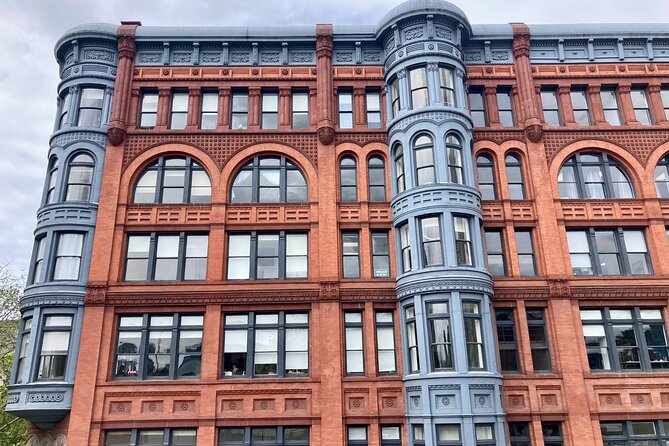
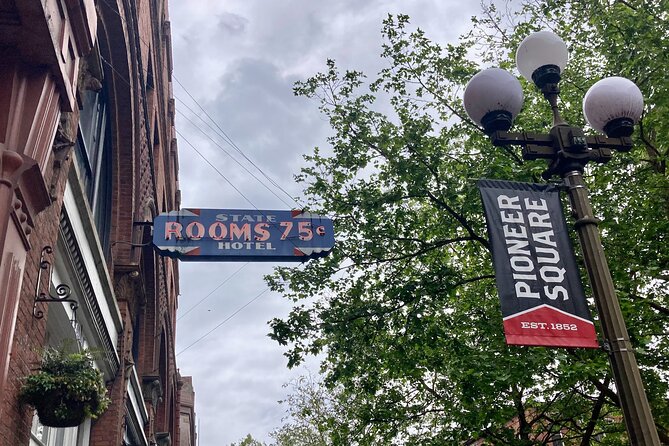
You begin at Pioneer Square, meeting at 100 Yesler Wy. This is a great starting point because it forces the timeline into focus right away. The early stops center on the native people of the area, the founding of the city, and the earliest days of Seattle.
From a practical standpoint, starting in Pioneer Square matters because the rest of your walk becomes easier to follow. Once you understand the early grounding, you can better appreciate why later areas developed the way they did. The guide also sets the tone early—questions are welcome, and you’ll get plenty of little architectural and historical pointers as you move.
Your first “wow” here is less about a single view and more about context. You’re learning how Seattle got built, not just what to photograph.
Occidental Park to Waterfall Garden Park: Fire and the Gold Rush Feel Close
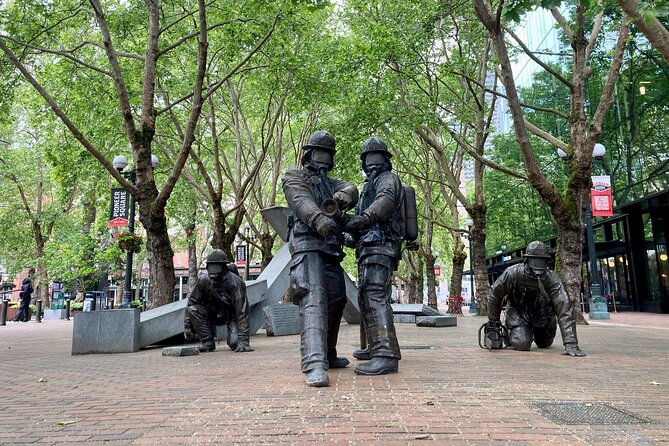
Next you pass through Occidental Park and keep moving through urban greens that feel like they belong in a city this busy. Even at brief stops, your guide ties the scenery to big turning points, including the Great Seattle Fire.
Then the route heads toward Waterfall Garden Park, a compact spot that’s perfect for a quick pause. Here, the focus shifts to the Klondike gold rush and how that moment shaped Seattle. You’re not sitting in a museum for hours—this is the walk-and-listen version of history, where one short explanation makes the next neighborhood feel less random.
One small consideration: these stops are brief by design. If you love to linger, you’ll want to balance this tour with at least one slower day afterward. But if you like momentum and learning as you go, the short stops keep the energy up.
King Street Station and the SODO/Stadium District Pass-By
You’ll then reach King Street Station, including the clock tower and ornate interior you can spot without needing to go deep into every room. It’s an easy “stop your brain and look up” moment because stations often hide their best details at street level.
After that, you’ll pass through Seattle’s SODO neighborhood and the Stadium District. You’ll see the stadium area from the outside, and the tour notes that there’s no entry included. That’s actually a plus if you want your tour to stay on schedule; you get the location and story without spending extra time on lines or ticket checks.
If you’re a sports fan, this part gives you quick orientation for where game days would happen. If you’re not, it still helps you map Seattle beyond the classic downtown grid.
Chinatown International District and Hing Hay Park: A Cultural Route, Not a Photo Stop
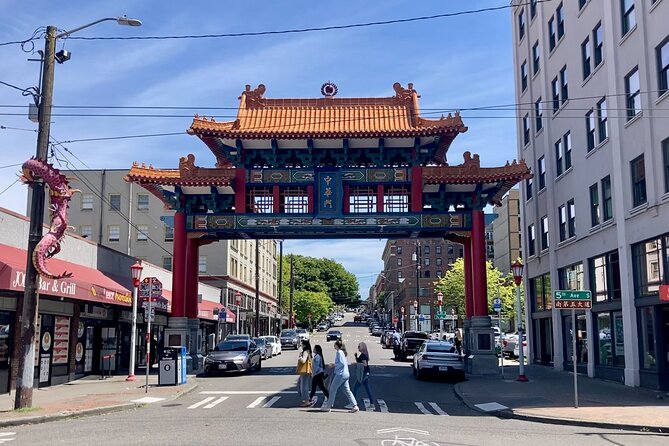
One of the strongest parts of this tour is how it treats neighborhoods as more than scenery. You’ll head into the Chinatown International District, stopping to view the gate marking the entry. The guide explains the identity of the area, including Japan Town and Little Saigon.
Then you continue to Hing Hay Park, another brief but meaningful stop that helps round out the neighborhood picture. The tour’s value here is that it uses real locations to talk about community life and migration patterns, even when you’re only walking a few blocks.
A practical tip: keep an open mind on this section. Cultural districts can feel intimidating if you’re rushing or treating everything like a backdrop. When you slow down just enough to listen, you start understanding what you’re seeing—and you’ll feel more confident exploring on your own afterward.




Union Station Great Hall and Downtown Architecture at Street Level
You’ll also stop at Union Station Great Hall, including its grandeur as an architectural treasure that’s now defunct. This is one of those moments where a short stop pays off: you get the feel of a former hub without being trapped inside for long.
After that, the route includes pass-by time for major cultural buildings. You’ll see the Frank Gehry–designed museum for rock and pop culture, plus a science museum connected to the 1962 World Fair era, and an additional iconic Seattle landmark area. These are viewed from outside on this tour, so entry fees aren’t included.
That approach is smart for a couple reasons. First, it keeps the tour moving at the promised pace. Second, it helps you decide what’s worth a return visit later. If something grabs you, you’ll already know where it is when you come back on your own.
If you’re someone who hates missed opportunities, this tour might feel a little “look only” in the middle. But if you want orientation and context, the outside-view format is a practical way to cover more ground.
Seattle Public Library and Pike Place Market Without the Rush

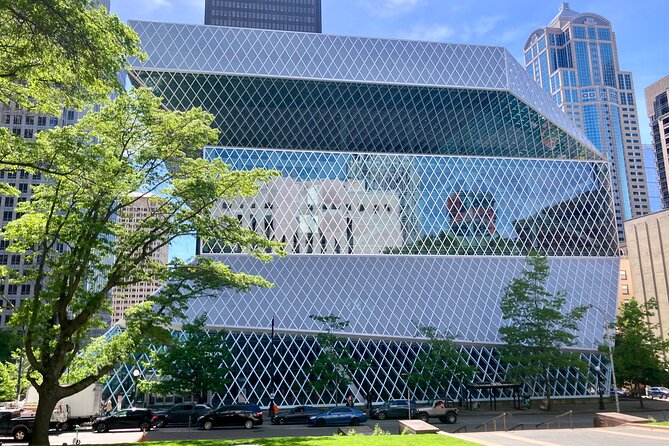
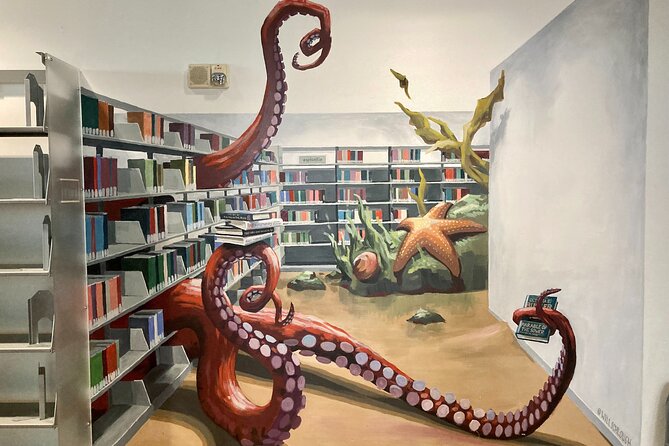
You’ll spend a longer stretch at the Seattle Public Library, both outside and inside viewpoints. It’s a great place for architecture lovers because it’s designed to invite you in, not just pass by.
Then you move toward Pike Place Market. You’ll walk past the market and learn the story of why it became a Seattle icon. Even though it isn’t an extended market tour with shopping time, the stop is still worthwhile because you’re getting the “why it matters” before you spend your own money or time later.
Two ways to get more from this section:
- Plan to return to Pike Place on your own for a slower browse if that’s your style.
- If you’re hungry, use this as a cue for where you might want to eat, because the tour encourages grabbing snacks and drinks along the route.
The Seattle Center Monorail Ride and World’s Fair Grounds
At Seattle Center, the tour includes a Monorail ticket. You’ll ride the monorail from Westlake Center in downtown Seattle to Seattle Center. This is a big deal for practical reasons: it’s included, so you don’t have to juggle tickets while also keeping up with a walking schedule.
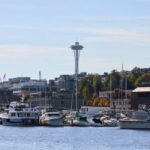
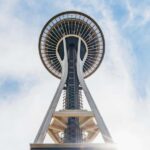
Once you arrive, you’ll walk the grounds of the 1962 World’s Fair area, now a civic culture center. You’ll pass by the Space Needle area as part of the scene, but you won’t be entering attraction ticket spaces during the tour. Instead, you can buy your own tickets and visit museums or the Space Needle after the tour ends. Your guide can point you toward what to prioritize.
You’ll also see International Fountain, the musical fountain, and you’ll spend time near the Seattle Center Food Hall. This is the section where the tour feels more like a “Seattle day” than a history walk—views open up, and you’re in a zone that naturally supports hanging around.
If you’re sensitive to crowds, you’ll want to be patient here. Seattle Center draws people, and your timing will influence how busy it feels.
KEXP Finale: Coffee, Records, and a Last Batch of Local Ideas
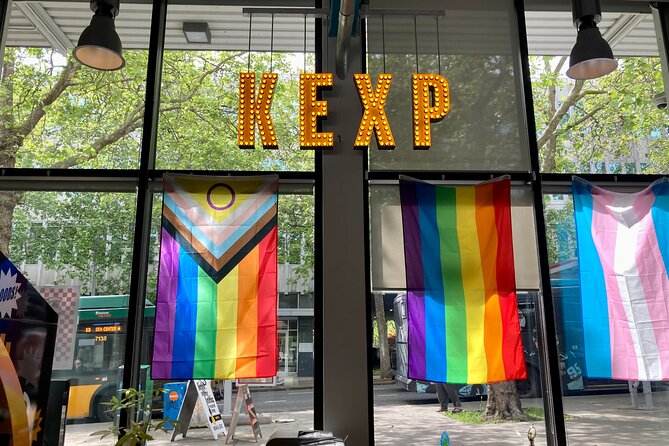
The tour ends at KEXP, at 472 1st Ave N. This is a fun finish because it shifts from walking and listening to a more relaxed hangout where you can keep soaking up the city.
At the conclusion point, you can grab your own coffee, browse records, and watch DJ activity in the booth while listening to the station broadcast. If you’re lucky, you might catch a live performance by a touring or local band.
What I like about ending here is that it naturally turns the tour into a launching pad. Your guide can recommend what to do next, and you’re already in the kind of neighborhood where it’s easy to keep exploring afterward.
Also, KEXP feels like a Seattle identity stop. It’s not just another landmark; it’s a place that connects music culture to everyday life.
Price, Value, and What You Should Plan to Pay Later
The price is $44 per person, for about 2 hours 30 minutes and roughly a 2.5-mile walking route. For that money, you get a local guide and the one clear included attraction: the Monorail ride.
Everything else is mostly free entry or outside viewing:
- You see major sites and additional architecture, but you generally do not enter ticketed attractions during the tour.
- When the route passes by attractions like the Frank Gehry–designed museum or other major sites, entry fees are not included.
- Even at Seattle Center, where you can see big-ticket icons, ticketed museums and the Space Needle require your own purchase if you want to go inside.
So here’s the value math: you’re paying for guided context, efficient routing, and the Monorail experience. If you’re the type who wants to enter many museums during a single morning, you’ll need to add tickets on your own later. If you’re happy with outside views plus a guided explanation, this price makes a lot of sense.
Food and drinks are on you. The tour includes multiple opportunities to buy snacks or drinks, and your guide can suggest places.
Who This Tour Suits Best (and Who Might Want a Different Plan)
This is a strong fit if:
- You’re visiting Seattle for the first time and want a layout of the city fast
- You like history with real locations tied to it
- You want to ask questions and get practical suggestions for your remaining days
- You enjoy walking a moderate distance and want your trip to feel active
It’s also a good choice if you’ve been to Seattle before but want a different angle. The route includes more than the usual “downtown highlights,” and the neighborhood focus gives you fresh context.
This might be a tougher fit if:
- You want minimal walking or a mostly seated experience
- You hate stairs or uneven terrain
- You plan to enter a lot of museums during the same morning (because entry fees for many stops aren’t included)
Should You Book This Seattle Walking Tour?
Book it if you want structure and local guidance without spending the whole day in ticket lines. It’s a tidy way to build your Seattle mental map: Pioneer Square to downtown rail, then into the cultural neighborhoods, then out to Seattle Center with the included Monorail ride, and finally a cool ending at KEXP.
Don’t book it if you’re hoping for a long museum crawl or if you need a very gentle pace. This tour is designed for walking, and it works best when you wear good shoes and accept that some stops are “look and learn” rather than “enter and spend.”
If you’re deciding between tour types, this one hits a sweet spot: big sights, neighborhood context, and a fun transport bonus, all for a price that doesn’t feel inflated.
FAQ
How long is the Seattle Walking Tour?
It’s approximately 2 hours 30 minutes.
How much does the tour cost?
The price is $44.00 per person.
Is the Monorail ride included?
Yes. The Monorail ticket is included in the tour.
What language is the tour offered in?
It’s offered in English.
How much walking is involved?
It’s approximately a 2.5 mile walking tour.
Are attraction tickets included for stops like Seattle Center sights or museums?
No. The tour includes the Monorail ticket only. Attractions you pass by generally have entry fees that are not included.
Can I cancel for a full refund?
Free cancellation is available. You can cancel up to 24 hours in advance for a full refund, but within 24 hours the amount paid is not refunded.