REVIEW · SEATTLE
Seattle, WA to Victoria, BC High-Speed Passenger Ferry: ONE-WAY
Book on Viator →Operated by FRS Clipper · Bookable on Viator
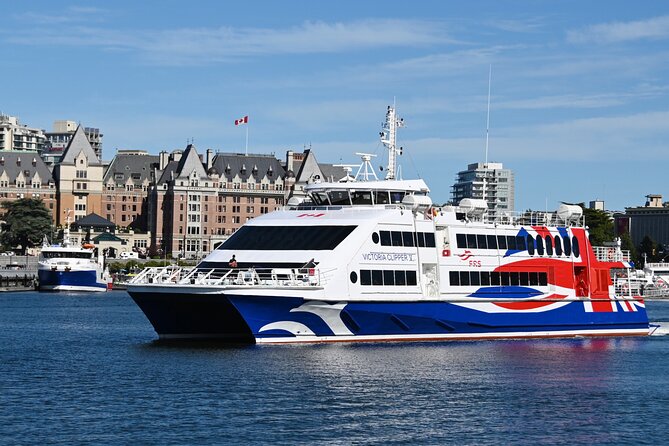
This ferry turns two countries into an afternoon. The FRS Clipper is a high-speed catamaran that cuts Seattle to Victoria in about three hours, with big water views and a downtown dock at Victoria’s Inner Harbour. I like the built-in convenience of skipping the drive and parking with duty-free shopping onboard, plus the ease of arriving right where you want to start exploring. One drawback to plan for: it’s a passenger-only ride, so if you need a car or extra baggage, you’ll have to rethink the trip.
The good news is how simple it feels once you’re on the schedule. You’ll use a mobile ticket, get economy class seating included, and you can upgrade to better classes if you want more comfort or a better sightline.
In This Review
- Key things that make this ferry worth your time
- Why this one-way crossing feels like real travel time (not a chore)
- Seattle terminal: what to know before you go (and why it matters)
- Boarding on a passenger-only ferry: comfort, rules, and practical expectations
- The 3-hour ride: Puget Sound views, whale spotting, and downtime that actually feels pleasant
- Duty-free shopping and onboard food: how to plan without overspending
- Seating upgrades: when Comfort class is worth the extra money
- Arriving at Belleville Terminal: starting Victoria with less friction
- Who should book the Seattle-to-Victoria ferry one-way?
- Should you book this Seattle to Victoria ferry?
- FAQ
- How long is the one-way ferry from Seattle to Victoria?
- Where do I depart in Seattle and where does the ferry arrive in Victoria?
- Can I bring my car on this ferry?
- What documents do I need for the US-to-Canada crossing by sea?
- How much luggage can I bring?
- Is food and drinks included in the ticket price?
- Is there an option to upgrade seating?
- What happens if the ferry is cancelled or I cancel my booking?
Key things that make this ferry worth your time
- Downtown-to-downtown routing: you dock at Victoria’s Inner Harbour (Belleville Terminal), so your first stop is already within reach
- High-speed catamaran ride: quick crossing time, plus plenty of windows for photos of the Puget Sound and Strait of Juan de Fuca
- Duty-free shopping across the border: you can browse onboard because you’re going from the US to Canada
- Onboard food service (not included): helpful if you’re hungry, but budget for it
- Seating upgrades are available: Vista and Comfort class can be worth it if you care about comfort and views
- Weather matters: service depends on good conditions, and delays or cancellations can happen
Why this one-way crossing feels like real travel time (not a chore)
If your plan is Victoria for dining, shopping, gardens, or just a change of pace, this ferry makes the trip feel like part of the vacation. You’re not stuck in traffic, and you’re not spending half a day finding parking in a foreign downtown. The crossing itself is fast enough that you can still spend meaningful time in Victoria once you arrive.
On top of the time savings, you get the fun part: the route lines you up with scenic stretches of water. From the catamaran’s viewpoints, you’ll be looking out over the Puget Sound and toward the Strait of Juan de Fuca. It’s the kind of ride where you can actually sit back, glance up every so often, and still feel like you did something instead of just “getting somewhere.”
Value-wise, the price is $136.50 per person for a one-way ticket. That sounds steep if you’re comparing it to a bus fare. But you’re paying for speed, a direct crossing, and the fact that you’re arriving in Victoria without the hassle of driving. If you’re skipping a car rental and avoiding the time sink of border chaos by road, it starts to make sense fast.
You can also read our reviews of more tours and experiences in Seattle.



Seattle terminal: what to know before you go (and why it matters)
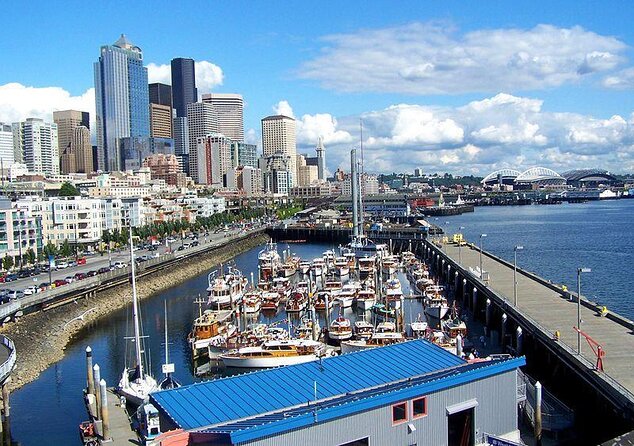
The departure point is at 2701 Alaskan Wy, Seattle, WA 98121. That’s your anchor for planning. Arrive early enough to handle check-in without stress, especially because the experience is time-based and the ferry schedule is the whole deal.
Bring the documents you’ll need for the US-to-Canada crossing. For this trip, a US passport (or a Passport Card, Enhanced Driver License, or Enhanced ID Card (EDL/ID)) is required to cross by land and sea. For air travel, a passport is required, and a Passport Card or EDL/ID won’t work. If you’re mixing travel modes on this trip, verify what your later plans require.
Also, plan for accurate passenger details at booking. You must advise your citizenship, and you’ll need full names and dates of birth exactly as they appear on passports. If those details aren’t right, your booking can’t be confirmed.
Finally, keep luggage realistic. You’re allowed 1 small carry on. Checked luggage is available for $20.00 per piece, and checked luggage isn’t included in the base ticket. That matters because people often pack like they’re on a road trip. This is closer to flying: you travel light or you pay to bring more.
Boarding on a passenger-only ferry: comfort, rules, and practical expectations
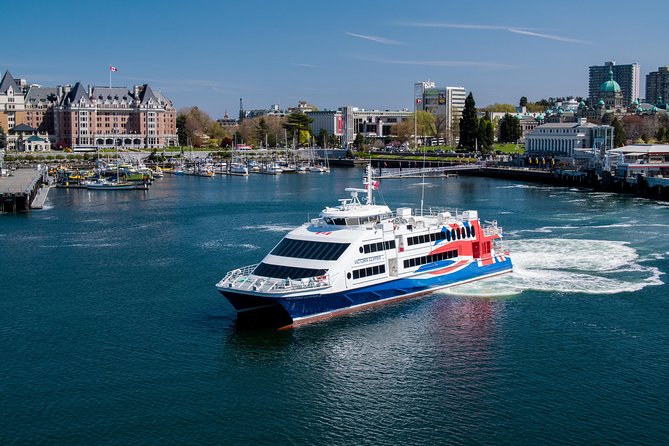
This is a passenger-only ferry. Autos aren’t allowed, and that’s not a small footnote. If your Victoria plan depends on having a car the moment you arrive, this specific option won’t support that. Most people who take this route are doing Victoria as a walk-around destination, then maybe picking up a rental later if needed.
You’ll also want to think about your “small stuff” rules. Restrictions can apply with bikes and dogs, and you must advise at booking if you plan to bring either. Service animals are allowed, which is a helpful detail if you rely on one.
Onboard seating is economy class by default, and there’s assigned seating in the sense that your ticket points you to the right area. One of the big practical perks here is how easy boarding and getting off the vessel tends to feel when you follow the crew instructions. When things go smoothly, it’s quick: in and out with a minimum of fuss.
And yes, motion can matter. The crossing is high-speed, so your body might notice the movement if you’re sensitive. If you do get queasy, the ferry provides nausea assistance onboard, which is exactly the sort of small preparedness detail that can save your day.
The 3-hour ride: Puget Sound views, whale spotting, and downtime that actually feels pleasant
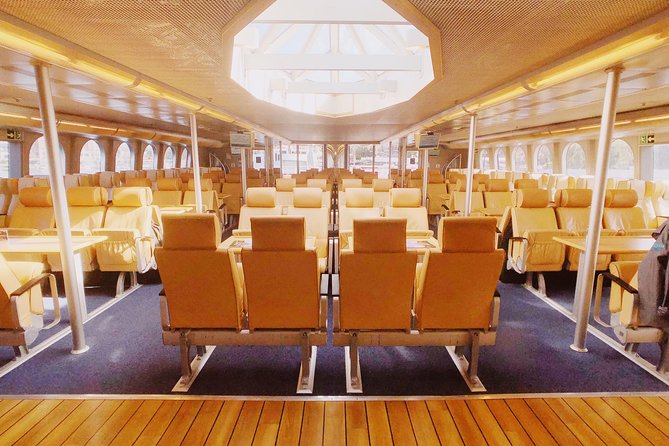
The ferry duration is approximately 3 hours—just under, depending on the day and conditions. That timing is important because it keeps the crossing from taking over your whole travel day. It’s long enough to enjoy the ride, but short enough that you don’t feel like you’ve lost the day to transit.
What you’ll notice most onboard is how the catamaran is designed for viewing. The windows are large, so you’re not always pressed into looking through narrow gaps. You can spend time just scanning the water and shoreline instead of staring at a timetable.
You’ll also likely hear announcements about what you’re seeing. On some sailings, the ferry can slow down for wildlife observation, and whales are a common highlight on the route when conditions allow. If you’re into photos, this is where you’ll use your camera more than you expected—because the boat is built for looking, not just transporting.
Crew support also makes a difference. The onboard staff are known for being friendly and safety-focused, and they’re attentive once you’re settled. If you care about feeling like you’re in good hands, that matters more than it sounds.
Duty-free shopping and onboard food: how to plan without overspending
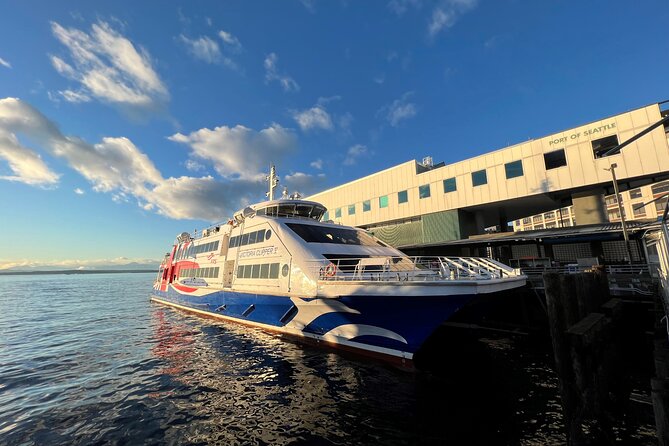
Duty-free shopping is one of the signature perks of the route, and it’s tied directly to border travel. Because you’re going from the US to Canada, you get access to duty-free items onboard. This can be a fun detour if you like cosmetics, small gifts, or snacks for later.
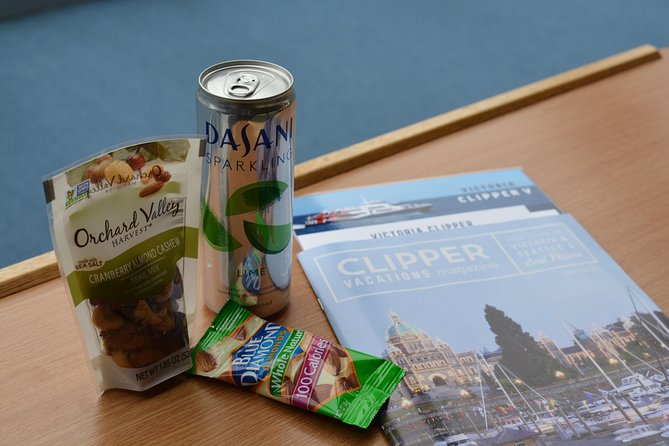
Just don’t treat the ferry as a full meal plan. Food and drinks aren’t included. Alcoholic drinks are available to purchase, but the base ticket doesn’t include them. Several people find the food options convenient, but some also note that onboard pricing can be high—so if you’re hungry, plan to buy something, then decide if you want a second snack later or to save your budget for Victoria.
A practical approach: treat the onboard food as a backup, not your main meal strategy. If you’re the type who wants a proper sit-down lunch in Victoria, you can use the ferry snacks strategically and arrive ready to explore the city.


Seating upgrades: when Comfort class is worth the extra money
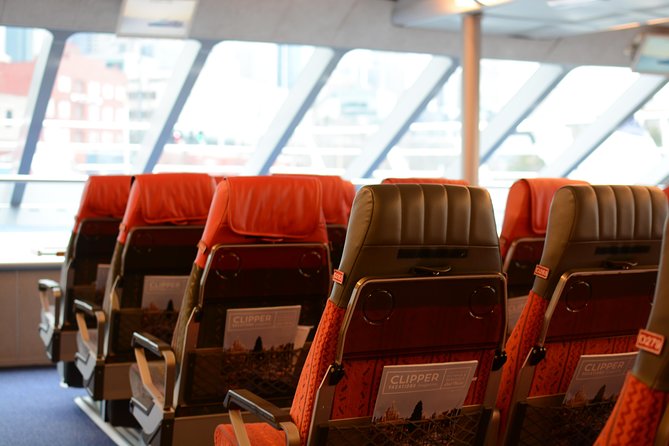
Economy class seating is included. If you’re not picky, that may be enough. But if you care about comfort and sightlines, the option to upgrade to Vista & Comfort class is a meaningful lever.
People who choose Comfort class often highlight two things: a better view and extra included-style comfort perks (including free snacks, based on past experiences). If you can afford it, it can turn the ferry from a “getting there” ride into a more relaxing hour-by-hour experience.
One detail to consider: there are different seating levels. Some people find the upper levels provide a better overall view for the duration of the trip. If scenery is the whole point for you, upgrading helps justify the spend, especially since the ferry is short and you’ll spend your time looking out.
Also, bathrooms are kept clean, which matters more than people expect on a moving vessel. Small comfort details like that make the whole experience smoother.
Arriving at Belleville Terminal: starting Victoria with less friction
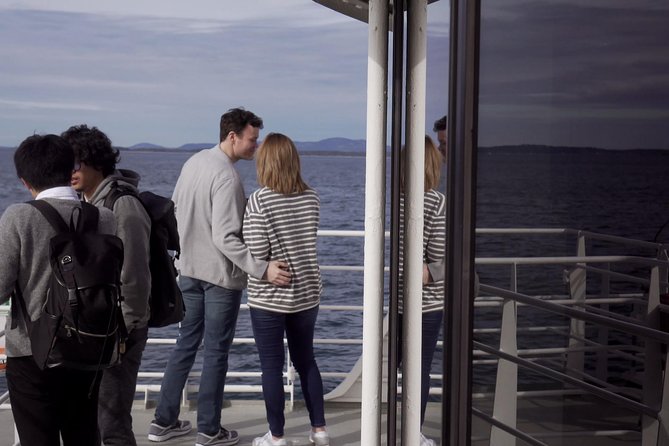
The ferry docks in Victoria at the Belleville Terminal, 254 Belleville St., Victoria, BC V8V 1X2. That’s in the Inner Harbour area, which is the kind of location that makes your first steps easier. You don’t need to immediately solve a transportation puzzle before you even start enjoying the city.
From a planning standpoint, this arrival point helps you keep your schedule flexible. If you want to hit dining and shopping right away, you’re already close. If you want a quick scenic walk before dinner, you can do that too.
Victoria tends to reward momentum—once you’re there, you want time to wander. A downtown dock supports that. It also helps if you’re traveling with others who want different paces: some can head to shops or food, while you can set a slower path to sights at your own rhythm.
Who should book the Seattle-to-Victoria ferry one-way?
I’d book this if you:
- Want a fast crossing that doesn’t require driving into Victoria
- Prefer a walk-around Victoria trip more than a car-based itinerary
- Like the idea of a scenic water ride plus onboard duty-free browsing
- Need a straightforward, passenger-only transfer with economy seating included
I’d think twice if you:
- Need to bring a car (this ferry doesn’t take autos)
- Expect to travel with multiple large checked bags
- Are traveling with special items like bikes or dogs and haven’t planned for restrictions
It also fits travelers who enjoy efficiency. A ride that’s about three hours keeps your vacation from turning into a long transit day. And because the maximum group size is 100 travelers, you should find it manageable from a passenger-flow perspective.
Should you book this Seattle to Victoria ferry?
If your priority is Victoria time, this one-way ferry is a strong choice. The route saves you the hassle of driving, it docks where you want to start, and it gives you enough time onboard for scenery, duty-free shopping, and services that keep the ride comfortable.
That said, don’t ignore the practical constraints. You’re locked into passenger-only rules, carry-on limits, and border-document requirements. And because the service depends on good weather, keep some flexibility in your plan. If you can handle that, you’ll probably feel like you got more vacation than transit for your money.
If you care most about the ride comfort and viewing, consider upgrading to Vista or Comfort class. If you’re mainly focused on getting to Victoria and walking the city, the included economy option can still be a great deal—just pack smart.
FAQ
How long is the one-way ferry from Seattle to Victoria?
The ride time is about 3 hours (approx.), so plan on a short travel window between terminals.
Where do I depart in Seattle and where does the ferry arrive in Victoria?
You depart from 2701 Alaskan Wy, Seattle, WA 98121. You arrive at the Belleville Terminal at 254 Belleville St., Victoria, BC V8V 1X2.
Can I bring my car on this ferry?
No. This is a passenger-only ferry service, and autos are not allowed.
What documents do I need for the US-to-Canada crossing by sea?
A US Passport, Passport Card, Enhanced Driver License, or an Enhanced ID Card (EDL/ID) is required to cross by land and sea. A passport is required for air travel, and Passport Card or EDL/ID are not valid for air travel.
How much luggage can I bring?
You can bring 1 small carry on. Checked luggage is available for $20.00 per piece of luggage.
Is food and drinks included in the ticket price?
No. Food and drinks are not included. Alcoholic drinks are available to purchase.
Is there an option to upgrade seating?
Yes. Vista & Comfort class seating is available for an upgrade, with pricing and availability handled by the provider.
What happens if the ferry is cancelled or I cancel my booking?
If the ferry is cancelled due to poor weather, you’ll be offered a different date or a full refund. You can cancel for a full refund up to 24 hours in advance of the experience start time.