REVIEW · SEATTLE
Seattle:Small Group Mount Rainier National Park 1-Day Tour
Book on GetYourGuide →Operated by Jupiter Legend Corporation · Bookable on GetYourGuide
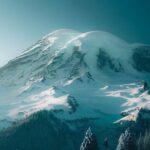
Rainier in a single day feels surprisingly doable. You’ll ride out of Seattle with a small group and aim straight for the park’s big sights—snow, volcano country, waterfalls, and those famous views. It’s the kind of tour where the drive matters, because the guide sets you up for what you’re actually looking at.
I love how the day centers on Paradise Visitor Center time in the heart of the mountain’s drama. In winter, you pivot to snowshoeing-style walking plans when conditions change, and guides like Jereme, Duan, Mark, Vladimir, and Nan have a knack for making the stops feel clear and worth your time.
One thing to plan for: weather can shift the “uphill” part of the day in winter. If snowfall is heavy, you may not go as far, and you’ll spend more time at the foot-of-mountain viewpoints instead of the routes you might expect.
In This Review
- Quick hits: what makes this Mount Rainier day work
- Getting from Seattle to Rainier: the morning setup that saves your day
- Summer itinerary: Longmire, Christine Falls, Narada Falls, and Paradise in a tight flow
- Longmire Museum: start at the historic south-side hub
- Christine Falls: a quick hit that keeps momentum
- Narada Falls: the big car-access waterfall moment
- Paradise Visitor Center: where the views and time budget meet
- Reflection Lake: a short stop that caps the day nicely
- Winter itinerary: Longmire plus a Wonderland Trail slice when roads and snow rules change
- Longmire Museum: longer orientation time in cold season
- Wonderland Trail segment: 60 minutes on the iconic ring around Rainier
- What the guide actually does (and why it makes the stops better)
- Walks, snow shoes, and how much effort to plan for
- Price and value: what $151 gets you (and what you’ll still need)
- Practical timing tips: how to make your photos better and your day easier
- Should you book this Seattle to Mount Rainier day tour?
- FAQ
- What’s the duration of the Seattle to Mount Rainier tour?
- Where are pickup locations in Seattle?
- How big is the group?
- What stops do you visit in summer?
- What stops do you visit in winter?
- Is Mount Rainier National Park admission included?
- What’s included for food?
- Are City Passes or your own tickets accepted for attractions?
- Are there age or pregnancy limits?
Quick hits: what makes this Mount Rainier day work
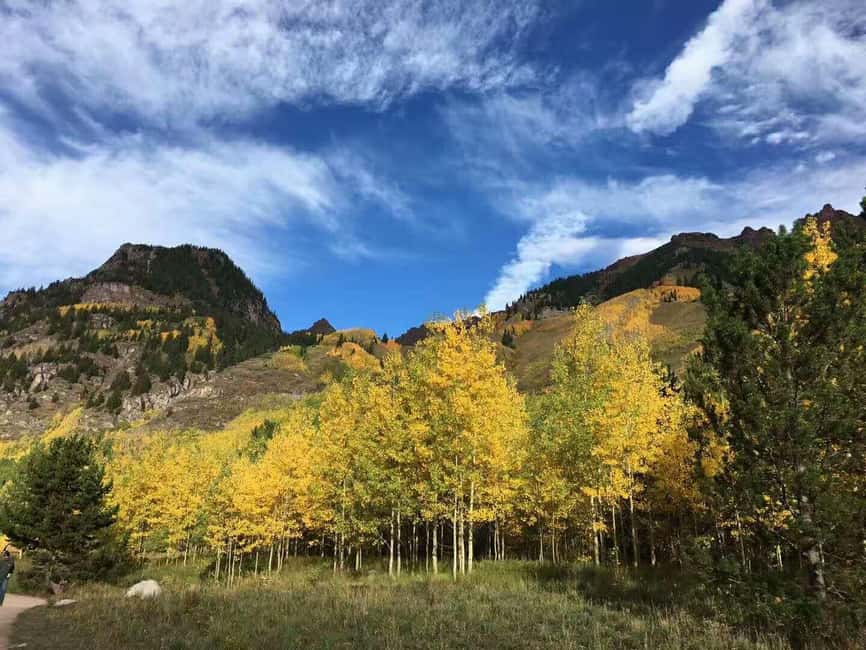
- Hotel-to-park pickup and drop-off across Seattle and Sea-Tac, with about a 7:45–9:40 departure window
- Small group (max 12) so you’re not lost in a crowd
- Paradise time (120 minutes in summer) for real wandering, views, and photos
- Season-flexible exploring: hiking in warmer months, snowshoe/snow walking in winter
- Guides who keep you moving smart and help with traction gear when snow is out
Getting from Seattle to Rainier: the morning setup that saves your day
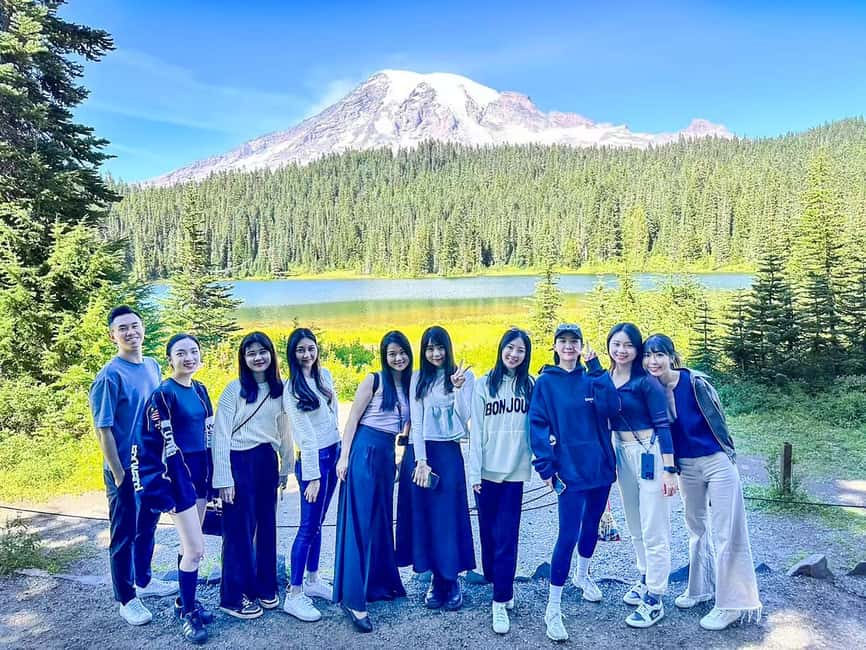
This tour is built for people who don’t want to wrestle with driving, parking, and timing on their own. Pickups are offered at 15 locations around Seattle—including downtown hotels, the Central Library area, and Sea-Tac airport-side spots. That matters because Mount Rainier is one of those places where “just get there” turns into a whole project.
Departure times run through the morning—starting around 7:45 (Seattle Chinatown) and finishing around 9:40 (depending on your pickup spot). Real talk: if you’re sensitive to early starts, choose the later pickup. If you want maximum daylight in the park, aim earlier.
You’ll ride in a professional vehicle with a driver and guide. The small group size (limited to 12 participants) is a big deal here. It makes it easier for the guide to do quick check-ins—how long you’ll have, where to meet, and what to watch for on the road.
You can also read our reviews of more tours and experiences in Seattle

Summer itinerary: Longmire, Christine Falls, Narada Falls, and Paradise in a tight flow
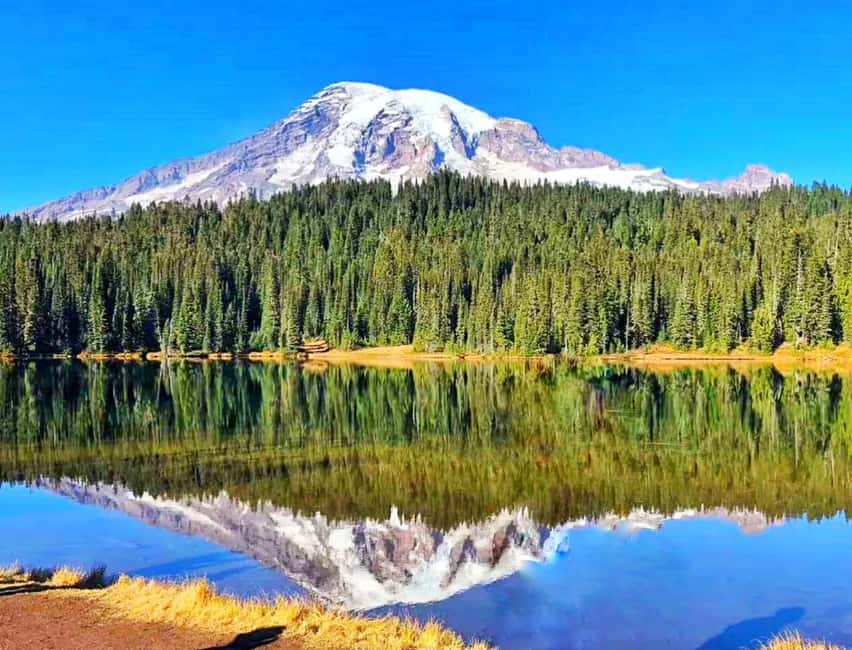
If you go May to October, the schedule leans classic Rainier: historic Longmire first, then waterfalls, then the panoramic zone.
Longmire Museum: start at the historic south-side hub
You’ll stop at Longmire Museum for about 20 minutes in summer. This is on the south side of Mount Rainier at around 2,700 feet. The museum sits in the historic Longmire district, and it’s a good “get your bearings” stop before you go deeper into the park’s viewpoints.
What I like about this kind of first stop: you’re not just driving past scenery. You get context on natural and geological history, plus animal exhibits. That makes the later stops click faster, especially if you’re seeing Rainier for the first time.
Christine Falls: a quick hit that keeps momentum
Next is Christine Falls for around 10 minutes. It’s short on purpose. You’re on a day-trip clock, and this stop acts like a warm-up: a quick roadside waterfall moment before the bigger ones.
Narada Falls: the big car-access waterfall moment
Narada Falls is where the tour puts real time on the clock—about 40 minutes. It’s only about 150 feet from the road to Paradise, and it’s one of the most impressive waterfalls you can access by car in the park.
This is also a good place to slow down and shoot photos. Rainier waterfalls can look different depending on snowmelt volume, light, and weather. The guide’s timing helps you avoid rushing through what deserves a few calm minutes.



Paradise Visitor Center: where the views and time budget meet
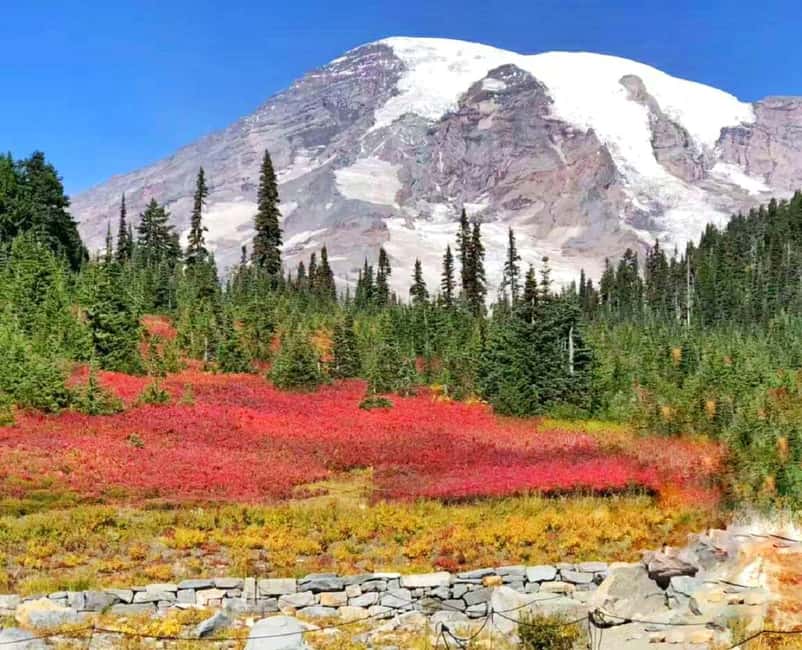
Then comes the main event: Paradise Visitor Center for about 120 minutes in summer. Paradise is famous for its glorious views and wildflower meadows, and it’s also where the Henry M. Jackson Memorial Visitor Center sits in the upper parking area.
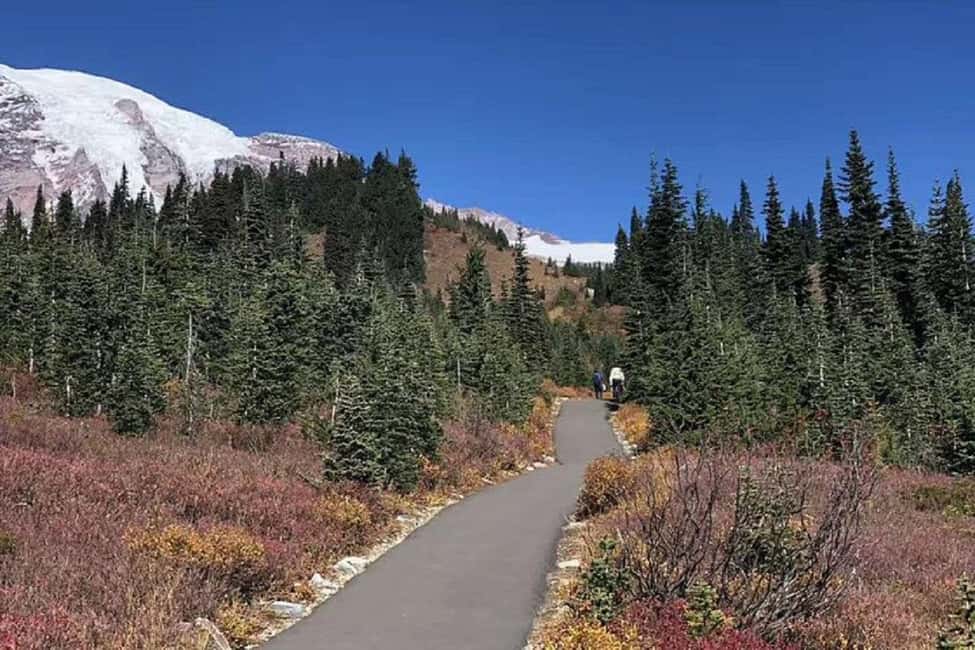
From a practical standpoint, two hours is the right kind of time here. You can do a relaxed walk, get pictures without sprinting, and still have breathing room if you want to linger. One of the best parts: the guide often gives you clear options for how long to spend on each walk—so you don’t end up stuck waiting for the whole group.
Reflection Lake: a short stop that caps the day nicely
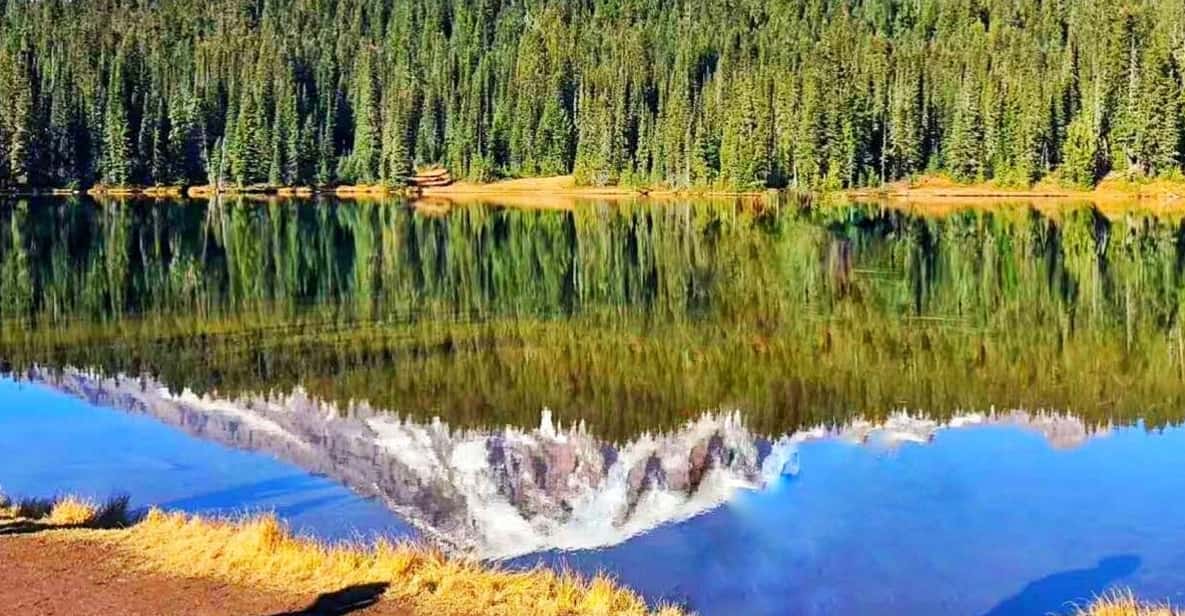
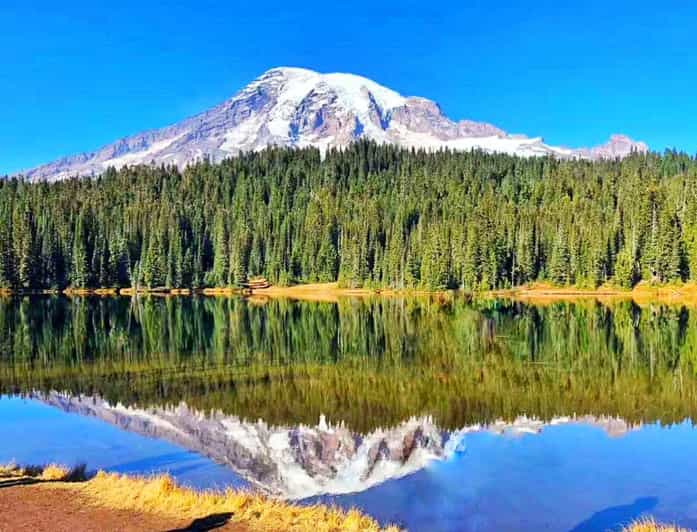
You’ll finish summer with Reflection Lake for about 10 minutes. It’s quick, but it works as a closing photo stop after you’ve already soaked in Paradise. Even when the reflections are imperfect, you’ll still leave with a strong “Rainier peak zone” memory.
Winter itinerary: Longmire plus a Wonderland Trail slice when roads and snow rules change
From November to April, the tour shifts gears. The winter schedule is built around what’s safest and most realistic with snow and road conditions.
Longmire Museum: longer orientation time in cold season
In winter, Longmire Museum gets about 60 minutes. That extra time is useful. Winter days are shorter and weather can move quickly. A longer museum stop gives you a warm, grounded start—plus it’s a good place to learn what you’re seeing before you head out into snow country.
Wonderland Trail segment: 60 minutes on the iconic ring around Rainier
You’ll spend about 60 minutes on the Wonderland Trail in winter. This trail is a 93-mile loop that encircles Mount Rainier, and it’s so well-known that hikers compete for permits. In your day tour, you’re not doing the full hike—but you are getting a taste of what makes the trail special: you’ll be walking in terrain tied to the mountain’s glacial and volcanic story.
One key winter note: if there’s heavy snowfall, the schedule for going uphill may be halted. In that case, the plan shifts to “breathtaking views at the foot of the mountain” instead. Translation: don’t assume you’ll always get the exact same uphill routes. You’ll still get real Rainier scenery—you just need to go with the conditions.
What the guide actually does (and why it makes the stops better)
This is not just a bus-to-viewpoints day. The guide role is baked in from the start, and that’s where the tour earns its rating.
On the drive, guides tend to talk about Mount Rainier and the wider Cascade world—other peaks you might spot, and what’s going on geologically. Names that have come up in past trips include Jereme, Duan, Mark, Vladimir, and Nan, and the consistent theme is clear instruction: where you’re going, how long you’ll be there, and how to get the best photos without losing time.
In winter conditions, guides also help with traction and walking gear. Based on earlier experiences, you may find equipment like snow shoes, hiking poles, and traction aids such as shoe spikes or snow walking sticks. That’s a practical win if you’re not a confident winter walker.
Walks, snow shoes, and how much effort to plan for
This tour makes the effort level feel manageable because it switches by season. In summer, you’ll do hiking or short walks between major stops. In winter, you’ll use snowshoeing-style walking options when that’s the safer way to move.
How to think about it:
- Summer is mostly about timing and moving efficiently between viewpoints, waterfalls, and the Paradise area.
- Winter is more about traction, stability, and staying warm while you move slower through snow.
If you’re used to city walking, you’ll still likely be fine—but don’t treat Rainier as a flat stroll. You’re at high elevation, you’re in cold or shoulder-season air depending on month, and you’ll spend parts of the day outdoors waiting for group pacing.
I’d also plan to bring the kind of layers that make a temperature swing feel boring, not scary. If it’s snowing or raining, the guide may keep you near the viewpoints and adjust what you do. One trip experience noted that weather didn’t always lead to the most comfortable alternative hike choice—but that’s the nature of winter touring. Your best move is to dress like you expect delays.
Price and value: what $151 gets you (and what you’ll still need)
At about $151 per person, this is a mid-range day trip for the Seattle area. The value comes from three things you’re not paying for separately in the moment:
- Round-trip transportation from multiple Seattle and Sea-Tac locations
- Mount Rainier National Park admission included
- A guide + professional driver for routing, timing, and interpretation
Food-wise, you’re covered for the basics. The included meal is a lunch (sandwich most likely), plus a granola bar and bottled water. That’s enough to keep you fueled for the day, but it’s not the same as an all-inclusive meal package. If you’re picky with lunches or you like extra snacks, bring a little extra just in case.
One more value angle: you’re not just buying access to the park—you’re buying time management. Stops like Narada Falls (40 minutes) and Paradise (120 minutes) are set up so you get meaningful time where it counts, rather than getting rushed through everything.
Practical timing tips: how to make your photos better and your day easier
A few simple moves will help you enjoy the day instead of fighting it.
First, treat Paradise like your anchor. In summer it’s 120 minutes, so plan to do your longer walk and your photo spree there. If you chase photos at every stop equally, you can end up tired before you reach the main views.
Second, keep your schedule “elastic” in winter. The tour can shift uphill plans due to snow, and you’ll pivot to viewpoints closer to the mountain’s base. If you’re the type who hates plan changes, you’ll still be okay—you just need to be mentally flexible for winter reality.
Third, wear shoes you trust on uneven surfaces. Rainier trails and roadside areas can be slick. When traction aids are offered, take them—you’ll feel steadier fast.
Finally, bring a camera plan. Paradise and Reflection Lake are short but powerful. If you want wide peak shots and close waterfall shots, move efficiently and don’t be afraid to ask your guide where the best angles are.
Should you book this Seattle to Mount Rainier day tour?
Book it if you want:
- an easy, guided way to reach Mount Rainier without driving stress
- a small-group format that keeps instructions clear
- strong time at Paradise (in summer) or a winter-ready approach (in colder months)
- a tour that helps you understand what you’re seeing, not just where to stand
Skip it (or at least reconsider your expectations) if:
- you hate schedule changes in winter weather and need guaranteed uphill routes
- you want a long, strenuous hike—this is more about curated access and smart stop times than a full-day trek
If you’re flexible, this is a very strong way to experience Rainier’s mix of glacial snow, volcanic terrain, waterfalls, and big views in just one day—while someone else handles the driving math.
FAQ
What’s the duration of the Seattle to Mount Rainier tour?
The tour is listed as 1 day. Starting times vary by date, so you’ll need to check availability for your specific day.
Where are pickup locations in Seattle?
Pickup is available at 15 locations in the Seattle area, including downtown hotels and Sea-Tac airport-side options, plus one Seattle Chinatown departure listed.
How big is the group?
It’s a small group limited to 12 participants.
What stops do you visit in summer?
From May to October, the day includes Longmire Museum, Christine Falls, Narada Falls, Paradise Visitor Center, and Reflection Lake, with time set aside for each.
What stops do you visit in winter?
From November to April, the schedule includes Longmire Museum and a portion of the Wonderland Trail.
Is Mount Rainier National Park admission included?
Yes. Mount Rainier National Park admission is included.
What’s included for food?
Lunch is included (listed as a sandwich most likely), plus a granola bar and bottled water.
Are City Passes or your own tickets accepted for attractions?
No. City Passes or your own tickets for attractions are not accepted, and admission or meal costs can change.
Are there age or pregnancy limits?
Yes. Anyone under 18 must be accompanied by at least one adult. Pregnant women are only allowed if they are pregnant for 24 weeks or less by the end of the trip.