REVIEW · SEATTLE
Upper Skagit Introductory Whitewater Rafting Trip
Book on Viator →Operated by Triad River Tours - Day Tours · Bookable on Viator
The Skagit turns first-timers into believers. This Upper Skagit introductory rafting trip balances gentle rapids with flat-water breaks, so you actually get time to swim and enjoy the towering North Cascades from the river. I also like the way shuttle-and-gear logistics are handled, plus the trip runs with clear safety support from start to finish.
The one real thing to plan for is cold-water comfort: a wetsuit rental isn’t included, so you may want to budget for that depending on season and temperature.
In This Review
- Key things to know before you go
- Why the Upper Skagit is such a strong first-raft choice
- The clock: how a 3.5-hour outing plays out
- Meeting point and logistics that keep it simple
- Safety steps: what you’ll do before you get wet
- On-the-water experience: rapids, swim time, and peak views
- Cold-water reality: wetsuit rental and hypothermia gear
- Guides and the vibe: instruction that keeps you relaxed
- Price and value: what $115 gets you
- Who should book this trip (and who should think twice)
- Practical tips that make the day smoother
- Should you book Upper Skagit introductory whitewater?
Key things to know before you go
- Included equipment and PFDs mean you won’t show up scrambling for basics
- Two hours on the river inside a 3 hours 30 minutes overall outing keeps it manageable
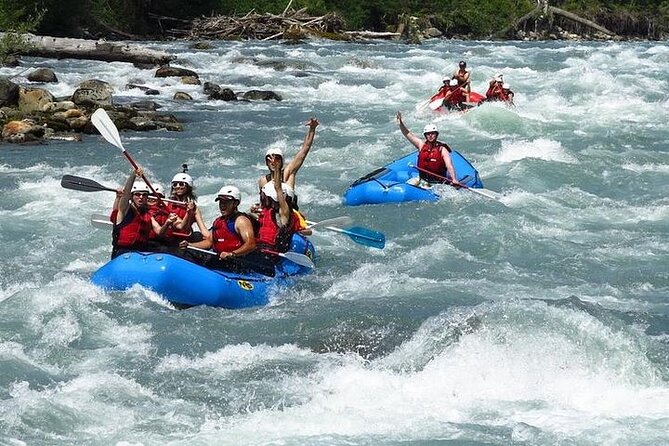
- Class II rapids with a class III stretch makes it exciting without feeling overwhelming
- North Cascades views from water level are a big part of why this trip feels special
- Safety video + online waiver are required before you hit the water
- Family-friendly rules: kids age 5+ with an adult, plus minimum weight and life-jacket needs
Why the Upper Skagit is such a strong first-raft choice
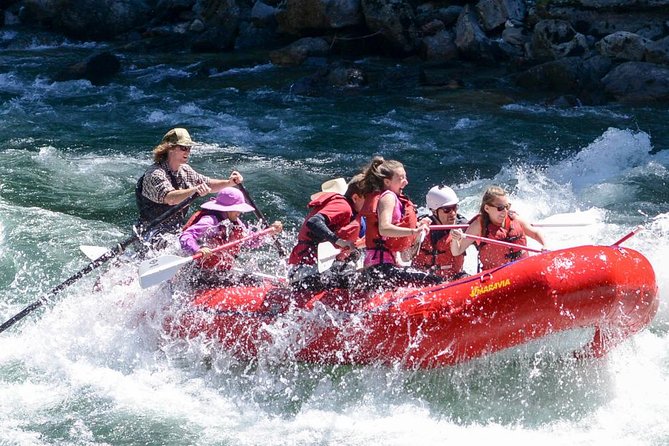
If you’ve never rafted, the Upper Skagit is a smart place to start. The river mixes lively moments with calmer stretches, which matters because it turns fear into fun. You’re not trapped in nonstop action. You get pauses, you learn the basics, and you can even choose to hop in for a swim when conditions allow.
This is also one of those “you see it better from the water” routes. From your raft, the North Cascades feel big in a way that doesn’t land from the roadside. You’re right down in the scale of the valley and peaks, with the river doing the talking all around you.
Finally, the trip’s structure is built for first-timers: you’ll get pro guidance, all necessary equipment, and safety gear already sorted. That lowers the stress level, which is exactly what you want when you’re trying rafting for the first time.
You can also read our reviews of more tours and experiences in Seattle.


The clock: how a 3.5-hour outing plays out
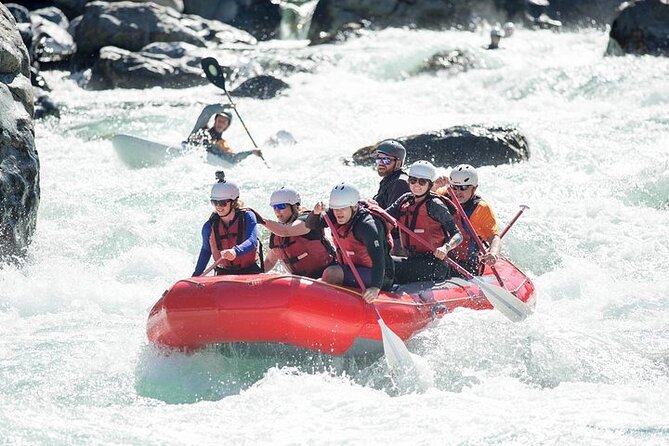
Plan for about 3 hours 30 minutes total. You’ll spend about 2 hours actually rafting on the Skagit River, with the rest of the time going to the start-up process and getting everyone set.
That split is useful. Two hours on the water is long enough to feel like a real adventure, but short enough that you don’t end up counting minutes while you’re waiting for the next stop. It also makes this a good option if you’re pairing it with other Seattle-area sightseeing.
The experience ends back at the meeting point, so you’re not stuck figuring out a second transportation puzzle. Everything is designed so the day runs on rails.
Meeting point and logistics that keep it simple
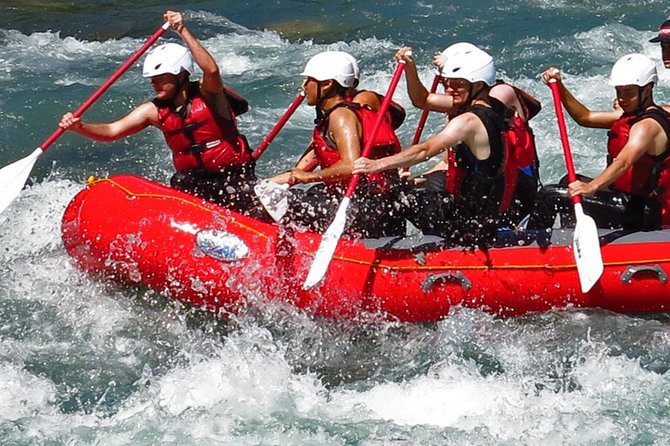
You’ll start at Marblemount Boat Launch, 5872 Cascade River Rd, Marblemount, WA 98267. It’s a straightforward point-to-point plan: start there, raft the Skagit, and end right back at the same place.
One of the biggest conveniences here is that the day takes care of logistics for you. You don’t have to coordinate gear drop-offs or worry about getting back and forth to the water. The shuttle setup handles that, and your equipment is provided.
You’ll also use a mobile ticket, which helps if you travel light. And the group size is capped at 50 travelers, which tends to keep the day from feeling chaotic.
Safety steps: what you’ll do before you get wet
This trip is not casual in a careless way. You’ll watch a safety video and sign an online liability waiver before rafting. The waiver link is provided after booking, and the online process is part of what keeps things moving smoothly on the water.
Once you’re suited up, you’ll get PFDs (life jackets) and the necessary raft-day equipment. The package also includes hypothermia gear, safety equipment, and medical supplies. That combination matters because early-season or cold conditions can make a fun trip feel miserable fast if you’re under-prepared.
If you’re bringing kids, pay attention to the child rules. Kids must be accompanied by an adult, and there are specific minimum requirements (age and weight). Also, if someone is under 90 lbs, they’ll need a specific life jacket, so that detail should be noted at booking.
On-the-water experience: rapids, swim time, and peak views
The Upper Skagit here is built to be exciting without turning into a scary rollercoaster. Expect a mix of rapids and flat water, which is why it’s so friendly for first-timers. The flat-water sections aren’t just breaks. They’re where you get your bearings, talk with your guide, and enjoy the views.
You’ll also see towering North Cascades peaks from the water level, and that’s one of the most consistent reasons people remember this trip. When you’re down on the river, the scale hits differently.
Difficulty-wise, you’re in the intro zone. The experience is family-friendly and typically feels like mostly class II rapids, with one stretch of class III. That class III moment is where you get the “real whitewater” feeling, but you’re still on a guided route designed for an easy introduction.
And yes, there’s time to swim. The river’s mix of conditions gives you opportunities to cool off when you want to, not just endure the ride.



Cold-water reality: wetsuit rental and hypothermia gear
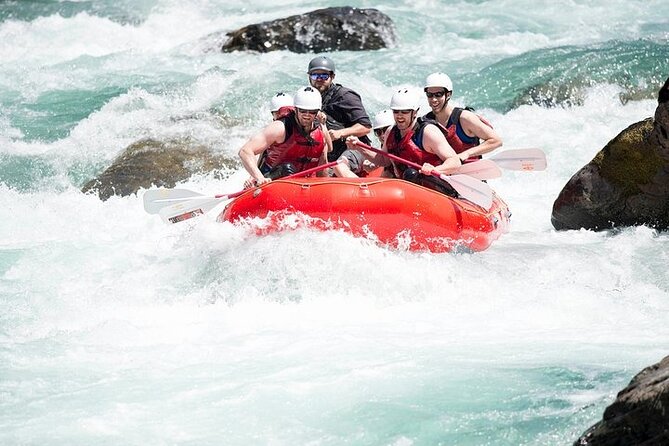
Cold water can make or break a rafting day. Even in summer, the Skagit can feel brisk once you’re on the river and exposed between rapids. That’s why the trip includes hypothermia gear, and it’s also why wetsuits matter.
Here’s the key point for your planning: wetsuits are available for rent, but they aren’t included. If you’re doing this in colder months—or you run cold easily—renting a wetsuit is the smart move.
In late June, for example, the water can still feel downright chilly, and you’ll want to be ready. Don’t wait until the last minute thinking you’ll “just tough it out.” Better to show up warm.
Also bring common sense: wear what you’re told to wear, follow guide instructions, and don’t treat safety gear as optional. The trip is built to keep you comfortable and safe, but only if you do your part.
Guides and the vibe: instruction that keeps you relaxed
A huge part of the value here is how the day is led. Guides handle safety, rafting technique basics, and local context without making it feel like a lecture.
You might meet guides like Emily, Eric, Andrew, Ethan, Fin, Doug, Hannah, Riley, Josh, Carly, or Connor. Across those different personalities, the common thread is calm instruction, plus a focus on getting everyone ready to have a good time.
For first-timers, that matters. You want someone who can explain what’s coming, keep the group organized, and make you feel prepared when the boat hits a rapid. When guides manage that well, you stop thinking about what could go wrong and start enjoying the ride.
Price and value: what $115 gets you
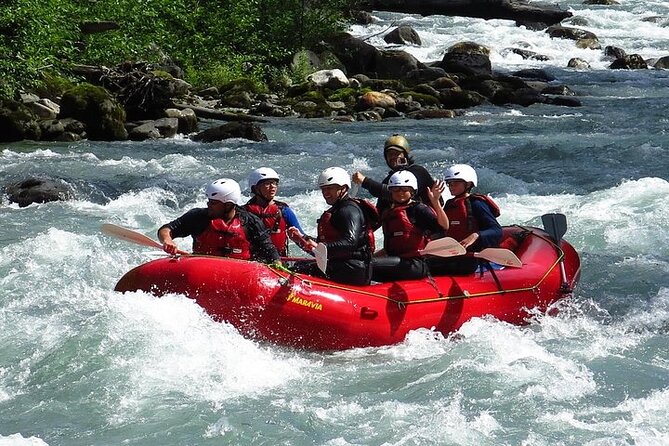
At $115 per person for about 3 hours 30 minutes, this isn’t a “cheap and casual” activity. It’s priced like a guided outdoor day with real safety equipment and time on a notable river.
What makes the value stronger is what’s included:
- Professional guide
- PFDs and all necessary equipment
- Hypothermia gear, safety equipment, and medical supplies
What’s not included also helps you plan:
- Wetsuit rental (available)
- Food and drinks
- Water bottle
So the question isn’t just price. It’s cost coverage. If you were trying to piece together a rafting outing yourself, you’d pay for equipment, safety gear, and guide time anyway. Here, that work is handled for you, and you get a true intro experience on the Skagit.
Who should book this trip (and who should think twice)
This is a great fit if you want:
- A first rafting experience that’s exciting but not extreme
- A family day outdoors with kids age 5 and up, as long as they’re with an adult
- Time to enjoy views from the river rather than just chasing adrenaline
It’s also a good option if you like structure. The meeting point is clear, you get gear, and the day runs with a safety process built in.
You might want a different style of trip if:
- You’re not comfortable with cold water and you’re hoping to skip a wetsuit
- You don’t have a moderate fitness level for an outdoor activity day
And if weight or sizing is an issue, don’t ignore it. Minimum weight is 50 lbs, and anyone under 90 lbs needs a specific life jacket, which must be announced at booking.
Practical tips that make the day smoother
Do these things and your experience will feel easier:
- Plan for cold water and consider a wetsuit rental if conditions are chilly
- Bring a plan for hydration since a water bottle isn’t included
- Expect a required safety video and waiver step before you raft
- Show up ready to follow guide instructions on what to wear and how to handle gear
- If you’re booking with kids, double-check the age 5+ and adult-accompanied requirement
One more real-world note: this trip is often booked about 26 days in advance on average. If you want a specific date, don’t wait until the last week.
Should you book Upper Skagit introductory whitewater?
If you’re new to rafting, you should book this. It’s built for your exact stage: guided, equipment-provided, and set up so you get real river time without feeling rushed or overwhelmed. The mix of class II fun with a class III stretch plus breaks where you can swim makes it feel like an adventure, not a test.
I’d hold off only if cold water gear is a deal-breaker for you, or if your schedule isn’t solid. The trip is non-refundable and cannot be changed, so make sure you can commit.
If your goal is a first whitewater win with North Cascades scenery at water level, this one fits the bill.