REVIEW · SEATTLE
Best of Mount Rainier National Park from Seattle: All-Inclusive Small-Group Tour
Book on Viator →Operated by Evergreen Escapes Seattle · Bookable on Viator
Mt. Rainier feels close when someone else drives. This all-inclusive small-group day trip strings together iconic views, waterfalls, and old-growth forests with a naturalist guide and hotel pickup. You’ll hike in summer, and in winter you may snowshoe—plus you’ll make frequent photo stops so you’re not stuck only “looking out the window.”
I especially like the low-stress logistics: Seattle hotel pickup, round-trip transportation in a luxury vehicle, and park entry fees handled. And I like the food setup. You’re covered with Seattle coffee and pastries in the morning, lots of snacks and drinks all day, and a real picnic lunch with locally sourced, organic options.
The main thing to consider is weather. Mt. Rainier can change fast, and in severe winter conditions (rare) road closures can alter what you see and how the timing works.
In This Review
- Key things I’d circle on your itinerary
- The Seattle-to-Rainier drive that actually matters
- Longmire old-growth forests: your first taste of big-mountain rain
- Christine Falls and Narada Falls: the easy “wow” stops
- Paradise Valley is summer hiking or winter snowshoeing
- Myrtle Falls, Reflection Lakes, and the kind of views that stop photos
- Longmire Museum and the old-growth loops you can feel in your legs
- Food and snacks: why this tour feels like a full day, not a bus route
- Price and value: what $344 covers (and why it can beat DIY)
- Who this is best for (and who might want a different plan)
- Should you book this Mt. Rainier highlights tour?
- FAQ
- How long is the Mt. Rainier highlights tour from Seattle?
- Where does pickup happen in Seattle?
- What do I get for food and drinks during the day?
- Is the tour only for summer, or does it work in winter too?
- What stops will I see at Mount Rainier?
- How hard are the walks?
- What should I wear, especially in colder months?
- Are there vegetarian options?
- What if roads are closed or the weather is bad?
Key things I’d circle on your itinerary
- Hotel pickup + max 10 guests means a calmer day and more attention from the guide.
- Naturalist-led stops help you connect geology, trees, moss/lichen, and volcano history to what you’re seeing.
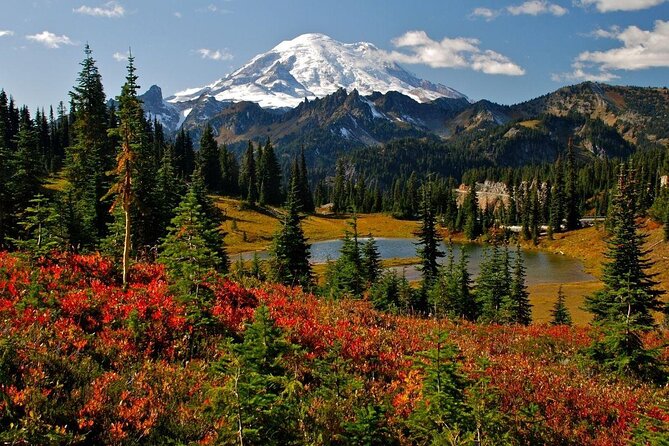
- Paradise Valley is the star: summer berries and sub-alpine trails, winter snowfall and an intro snowshoe route.
- Waterfalls route without car stress: Christine Falls viewpoint and Narada Falls are timed for a full taste of the park.
- Picnic lunch, not a sack meal: a catered lunch with protein and salad/grain components plus snacks throughout.
- Road-and-weather adaptation: guides adjust when conditions shift so you still get a great hike.
The Seattle-to-Rainier drive that actually matters
This is built for people who don’t want to rent a car, fight traffic, or second-guess driving routes on tight mountain roads. You start in downtown Seattle with pickup and then roll out in a comfortable vehicle that’s set up for a long day. The drive is part of the experience because your naturalist guide uses it to frame what you’re about to see.
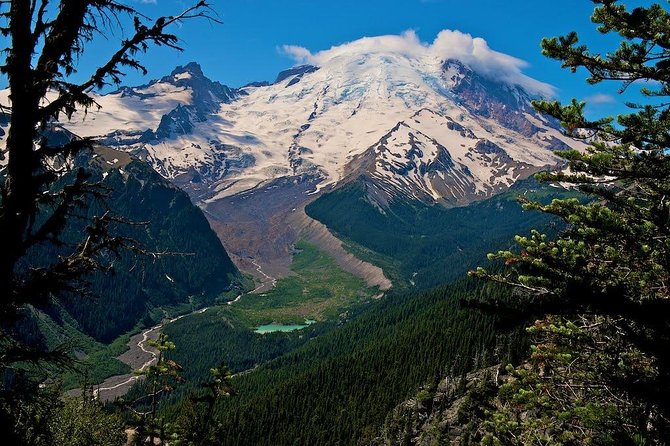
Mt. Rainier is not just a pretty peak. It’s an active volcano and the most glaciated mountain in the U.S., shaping major rivers that flow out into the region. That kind of big-picture context makes the views feel earned instead of random. A number of guides on this route also lean into trees, lichen, and moss details—things you’d usually walk past without instruction.
Expect the day to move. It’s about 10 hours 30 minutes, starting at 8:00 am. That’s a commitment, but it’s also why you can hit multiple highlight zones in one trip.
You can also read our reviews of more tours and experiences in Seattle.

Longmire old-growth forests: your first taste of big-mountain rain
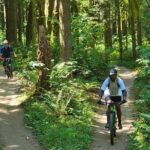
Your morning starts with coffee and pastries in the Seattle-to-park rhythm, then you begin your hike around the Nisqually Vista Trail area. The goal here is to ease you into the “why Rainier is Rainier.” You’ll stroll through old-growth forest near Longmire, which is a big deal because this isn’t only about summit drama—it’s about how the mountain’s environment supports a whole living system.
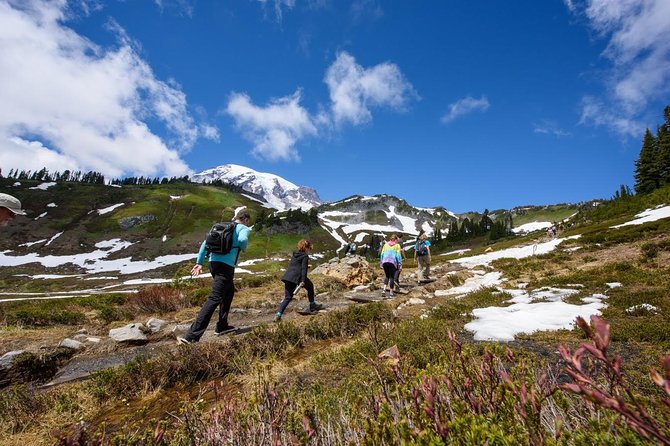
From there, you climb toward higher elevations with frequent stops for photos and light snacks. This is one of the smartest parts of the day: you get to see waterfalls and forest character early, when you’re fresh, and you get a guide to point out what to watch for.
Wildlife is possible anywhere in the park. Don’t expect a guaranteed sighting, but do keep your eyes up when you’re off the trail edges—one guest even described seeing a bear during the day, which is exactly the kind of surprise this park can deliver.
One practical note: old-growth trails can be slippery when wet. Wear closed-toe shoes you trust.
Christine Falls and Narada Falls: the easy “wow” stops
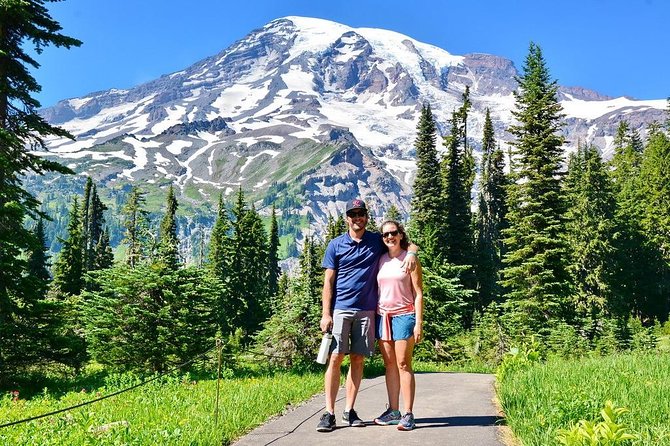
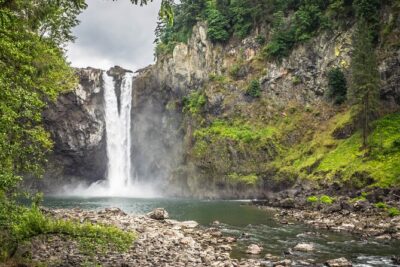
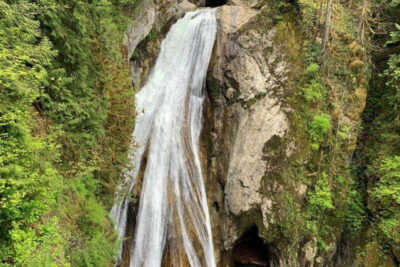
After the Longmire area, you’ll hit the quick-hit viewpoint at Christine Falls. It’s a short walk—about 10 minutes—made for postcard framing. You’re not hiking miles here. You’re learning how these waterfall corridors sit in the mountain’s broader terrain.
Next comes Narada Falls. This is one of the park’s classic waterfall walks, and the route gives you a chance to see multiple waterfall perspectives on foot as you move up the mountain. Narada is often a favorite because it’s not only one waterfall at one angle. You get variety with a manageable timeline (about 30 minutes of time on the route).
If your goal is “see Rainier highlights fast,” this is where the day really starts to feel like a greatest-hits mix.
Paradise Valley is summer hiking or winter snowshoeing
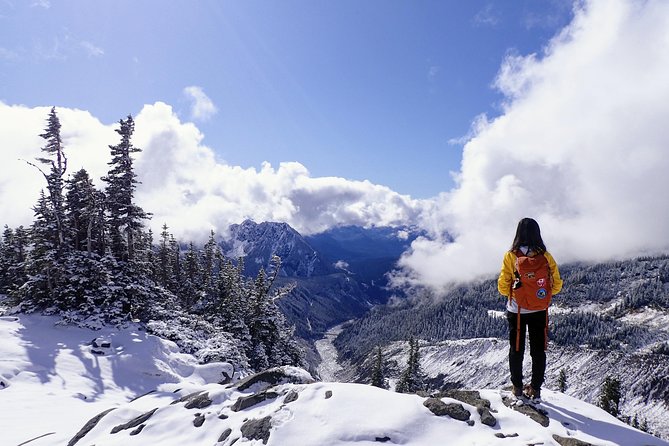
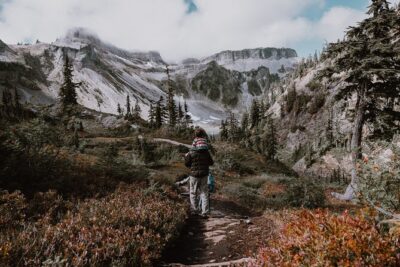
Paradise Valley is where Mt. Rainier often steals the show. In summer, you may walk sub-alpine trails where you can pick wild berries. (Yes, this is part of the experience as described—just follow the guide’s lead.) In winter, Paradise is about snowfall and winter solitude, and you switch gears to an introductory snowshoe trail with snowshoes and poles provided.
This segment is scheduled for about 3 hours. That’s enough time to enjoy the environment and still have the guide keep you moving smartly, not just marching for the sake of exercise. And it’s paced for different comfort levels; multiple recent experiences highlight how guides check in on pace, effort, and comfort.
At the center of Paradise is the Henry M. Jackson Visitor Center. You get about 20 minutes here—short enough to stay on schedule, but long enough to use it as a reset: interpretive info, a chance to get oriented, and a good bathroom break.
A key takeaway: Paradise helps you understand the park’s layers—forest to higher elevation conditions. In plain terms, it explains why the mountain looks and feels different as you go up.
Myrtle Falls, Reflection Lakes, and the kind of views that stop photos
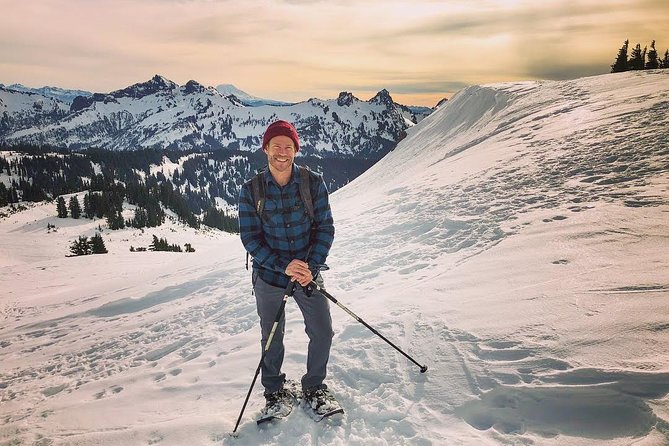
After Paradise, you’ll continue with quick but meaningful stops.
Myrtle Falls is set up as an impressive waterfall walk in Paradise’s iconic meadows area. It’s about a 30-minute trail—designed to be walkable while still giving you near-constant views of Rainier’s peak. This is the kind of stop where the timing often matters: you want enough daylight to catch the mountain properly, especially when clouds roll through.
Then you may head to Reflection Lakes, with a brief stop (about 15 minutes). When the conditions line up, these lakes can look like a mirror, with Rainier reflected above the water. Even when it’s not perfectly mirror-smooth, the setting is still worth it because it’s one of those “you get why people come back” scenes.
And throughout all of this, the guide’s job is not only to drive you from place to place. It’s to decide where you’ll stand and when. Multiple guide reviews mention the value of photo planning—finding angles and making sure you actually get the mountain in your frame, even when it’s hiding in clouds.


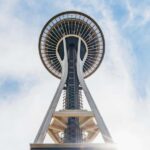
Longmire Museum and the old-growth loops you can feel in your legs
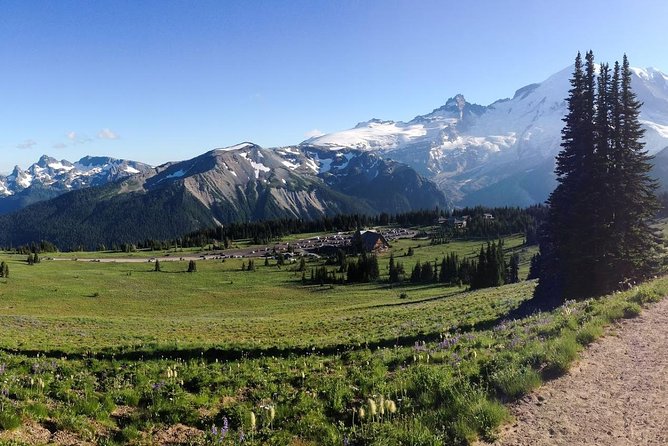
Toward the end of the day, you shift from big-view stops to forest rhythm.
Longmire Museum is about 20 minutes. You’ll find the museum area plus bubbling mineral springs nearby. It’s also a good place for souvenirs, hot cocoa, and a quick bathroom break. More importantly, it gives you context—why this area became a hub for early park life and how visitors have related to Rainier for generations.
Next is the Trail of the Shadows (about 30 minutes). Expect giant old-growth spruce trees clustered around bubbling mineral springs, plus views of Rainier’s peak when the weather allows. This is a short loop, but it feels special because you’re walking in an environment that reads like a living timeline: moss, lichen, and forest textures are a big part of what you’ll notice once your guide points them out.
Then comes the Twin Firs Loop Trail (about 30 minutes). It’s another Longmire-area favorite focused on massive towering trees. If you came to Seattle thinking it was mostly coffee and rain, this section is your reality check—in the best way.
Food and snacks: why this tour feels like a full day, not a bus route
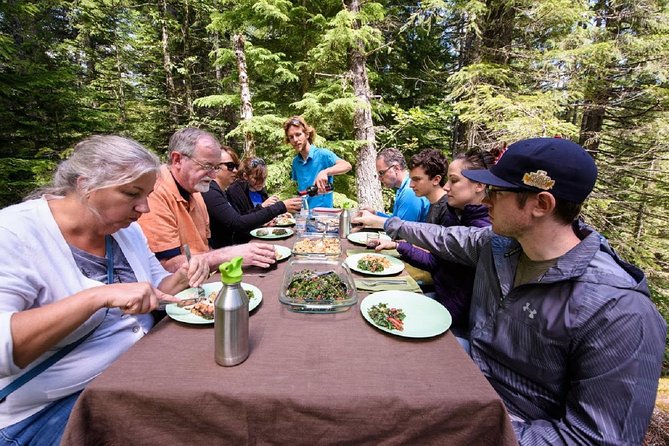
This tour covers a lot of “hidden costs” in comfort. You get snacks and beverages throughout the day, plus water and sparkling water. There’s coffee and/or tea included, and you’ll start with Seattle coffee and pastries before your trek.
Lunch is a real highlight. You get a picnic lunch prepared by a local female owned caterer, designed to be eaten outside in a quiet spot when weather permits. The options include grilled chicken or salmon, plus a sandwich or wrap, a grain or green salad, and water or soda.
Two practical tips here:
- If you have dietary restrictions, tell the operator at least 48 hours before departure so they can plan.
- If you tend to get cold on hikes, pay attention to the gear note: warm clothing is available upon request.
In the reviews, I also saw praise for lunch quality and the “more than expected” feel—one guest even mentioned French-pressed coffee in the morning. You shouldn’t assume that exact detail every day, but it fits the overall vibe: this isn’t just calorie management. It’s part of how the day stays enjoyable.
Price and value: what $344 covers (and why it can beat DIY)
At $344 per person for about 10.5 hours, this isn’t a budget add-on. But the value comes from what’s bundled.
You’re paying for:
- Round-trip transportation from downtown Seattle (pickup and drop-off)
- A naturalist guide
- National park entry fees
- A picnic lunch
- Snacks, sparkling water, water, and coffee/tea
- Seasonal gear help: snowshoes and poles in winter months
- Extra warm clothing available on request
If you’re trying to DIY with a rental car, you’d still need gas, parking, park fees, and the cost of building a route that hits multiple highlight areas without wasting time. Add the stress factor—especially if you don’t drive in fog and mountain weather often—and this price starts to look less steep.
Also, the group size matters. This is a public small group tour with a maximum of 10 guests. Smaller groups usually mean fewer compromises on pacing and more likelihood the guide can tailor decisions to the group.
And the reviews back up what matters in practice: guests repeatedly mention attentive guiding, good pacing, and the feeling that the day doesn’t turn into a rushed checklist.
Who this is best for (and who might want a different plan)
This tour fits best if you:
- Want Mt. Rainier highlights without renting a car
- Prefer short hikes and scenic stops over long backcountry time
- Appreciate explanations about volcano geology, rivers, and the forest ecosystem
- Like a group day that still feels personal (max 10)
It’s also a solid choice across ages and fitness levels because the tour is described as easy to moderate, with guides able to adapt pacing. In one account, a guide even reassured a guest with limited fitness and still made the day work with alternatives.
You might think twice if you:
- Want an all-summit, all-technical day (this is not pitched as a summit mission)
- Hate structured timelines and scheduled stops
- Get very uneasy when weather shifts can change routes and timing
Should you book this Mt. Rainier highlights tour?
If you’re coming from Seattle and you want the biggest Mt. Rainier hits in one day, I’d book it. The biggest win is not just seeing multiple stops. It’s getting a guide who helps you understand what you’re seeing—trees, moss and lichen, waterfalls, and the way glaciers and volcano activity shape the whole area.
Book it especially if you value comfort and clarity: hotel pickup, park fees included, lunch and snacks handled, and a plan that works in changing conditions. The only real “don’t book” reason I’d give is if you’re only satisfied when the weather is perfect every minute. On this mountain, that’s not how it works. The guides adjust. You still get out there, and you still come home with stories worth telling.
FAQ
How long is the Mt. Rainier highlights tour from Seattle?
It runs about 10 hours 30 minutes, starting at 8:00 am, with stops inside Mount Rainier National Park and a return trip to Seattle.
Where does pickup happen in Seattle?
Pickup is offered at various downtown Seattle hotels and airbnbs within their legal pickup zone. If your place is outside the pickup area, you meet at the default location at the Sheraton Grand Seattle (1400 6th Ave).
What do I get for food and drinks during the day?
You’ll have coffee and pastries in the morning, then snacks and beverages throughout the day. Lunch is a catered picnic lunch (seasonal and locally sourced/organic options are described), and you’ll also have water or soda.
Is the tour only for summer, or does it work in winter too?
It operates in all weather conditions. Depending on when you go, you might hike or snowshoe. In winter months, snowshoes and poles are included and you’ll take an introductory snowshoe trail at Paradise.
What stops will I see at Mount Rainier?
The tour includes multiple highlight stops such as areas near Longmire, Christine Falls viewpoint, Narada Falls, Paradise Valley (including the Visitor Center area), Myrtle Falls, Reflection Lakes, Longmire Museum, Trail of the Shadows, and Twin Firs Loop Trail. The exact sections can vary by season.
How hard are the walks?
The tour is rated easy to moderate. The guide can tailor pace to the group, and you should wear comfortable shoes suitable for walking.
What should I wear, especially in colder months?
Wear closed-toe comfortable walking shoes, hiking shoes, or boots and dress in layers. Waterproof boots are required October to June. Warm clothing is recommended in winter, and additional warm clothing is available upon request.
Are there vegetarian options?
Yes. You’ll need to enter dietary or special requests at checkout so the team can accommodate you as best as possible.
What if roads are closed or the weather is bad?
The tour runs rain or shine, and severe winter weather can sometimes cause road closures. When that happens, guides adjust the route and itinerary based on current conditions.