REVIEW · SEATTLE
Seattle: Mount Rainier Park All-Inclusive Small Group Tour
Book on GetYourGuide →Operated by Evergreen Escapes · Bookable on GetYourGuide
Rainier looks different from up close. This full-day tour turns the Seattle drive into an all-in guided nature day, with stops for wildlife and real talk on Rainier’s geology and ecology.
I like that you’re not just dropped at a trailhead. You get context for what you’re seeing, so the mountain feels personal instead of random.
My favorite part is the included picnic lunch from a local woman-owned caterer, served in a proper picnic setup (yes, table linen has shown up). I also love how the plan balances walking with breaks, so you get big views without feeling like you’re being yanked along.
One thing to consider: drink supply can feel tight for some people, since the tour includes snacks and refreshments but not unlimited drinks. If you run thirsty, plan for it.
In This Review
- Quick hits: why this Mt. Rainier day feels worth it
- Seattle-to-Rainier in a high-roof van (and why that matters)
- The snow decision: hike vs snowshoe trek
- What you’ll see on foot: forests, meadows, waterfalls, and big mountain thinking
- Wildlife spotting: how to actually enjoy it (not just chase it)
- Lunch breaks that don’t feel rushed (and what’s actually included)
- Timing and pacing: 10.5 hours that still feel like a full day
- The small-group advantage: why max 10 people changes the day
- Gear, weather, and the stuff people forget
- Value check: $344 for 10.5 hours of guided Mt. Rainier time
- Who this tour suits best (and who should pick another plan)
- Should you book? My practical take
- FAQ
- What’s included in the Mt. Rainier tour from Seattle?
- Is this tour a hike or snowshoe trip?
- How big is the group?
- Where and when does pickup happen?
- Does the tour run in bad weather?
- What should I bring?
- Is tipping included?
Quick hits: why this Mt. Rainier day feels worth it
- Small group (max 10) keeps the day calm and lets you ask questions
- Guided hike or snowshoeing based on snow levels (winter gear handled when needed)
- Naturalist-led geology + ecology turns scenery into understanding
- Wildlife chances include marmots, elk, coyotes, deer, and even black bears
- All park entry fees + pickup/drop-off make it low-stress from Seattle
- Catered seasonal picnic lunch with real-plate comfort, not sad vending-machine food
Seattle-to-Rainier in a high-roof van (and why that matters)
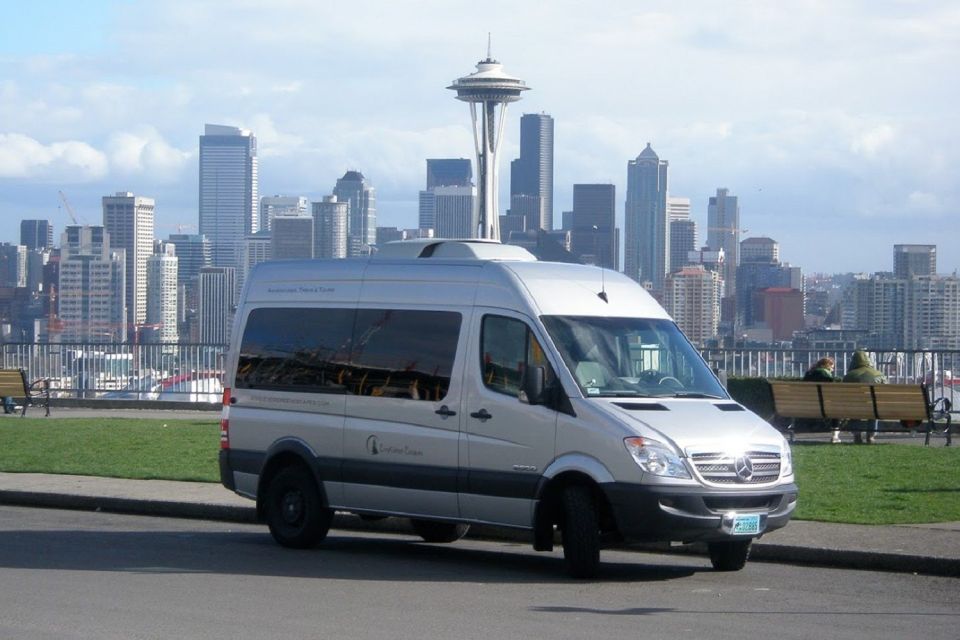
You start the day with hotel pickup, usually between 7:30am and 8:00am, and the van is ready to roll from downtown Seattle locations. If you’re staying at the Sheraton Grand Hotel (1400 6th Ave), that’s also a common default meeting point, and pickup options can extend to Seatac and Tacoma if you ask.
The practical win here is simple: you don’t spend your vacation doing logistics. A high-roof passenger van also helps with one key problem on long drives—everyone wants to look up, take photos, and keep track of the scenery without crouching.
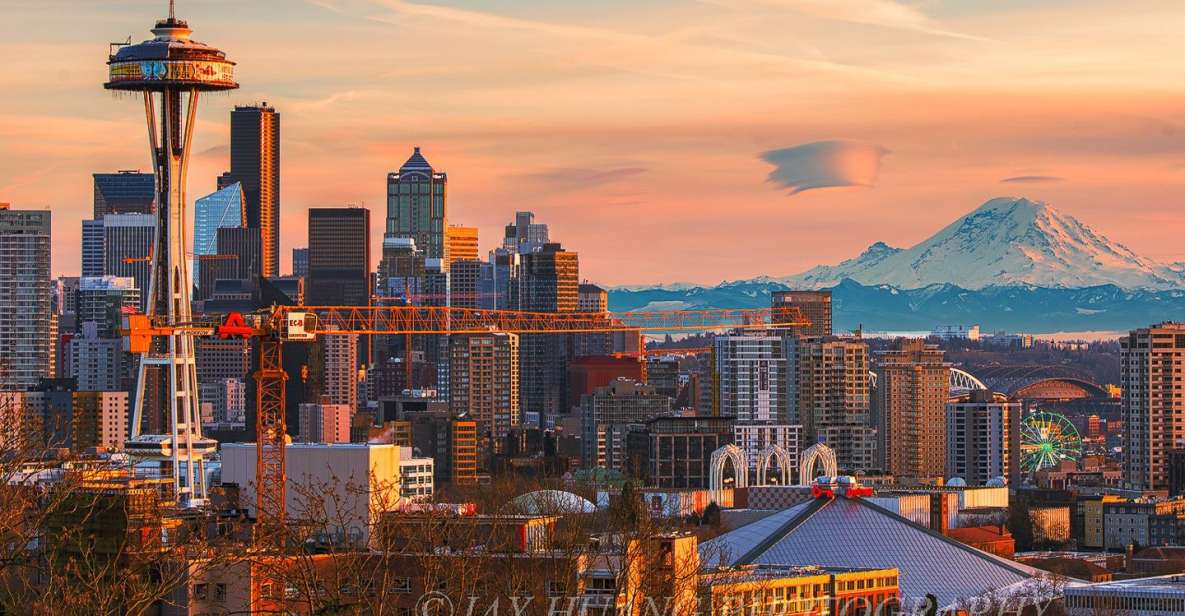
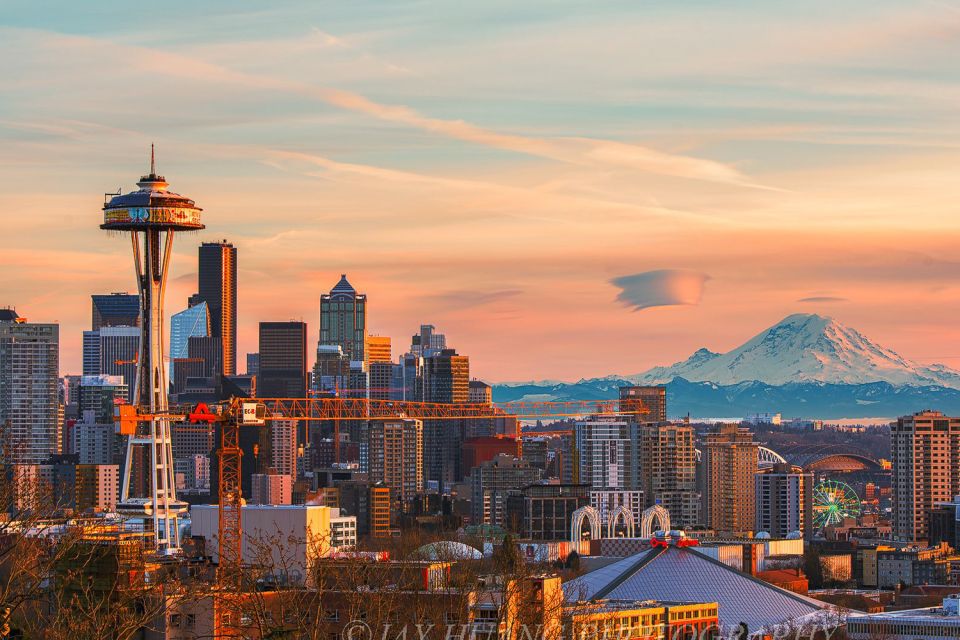
And the drive isn’t treated like dead time. The guide typically uses the ride to set the stage for what you’ll see later: Rainier’s huge snowy mass, the surrounding old-growth forests, and the seasonal wildflower timing when conditions allow. It’s a good way to get your bearings fast.
You can also read our reviews of more tours and experiences in Seattle.

The snow decision: hike vs snowshoe trek
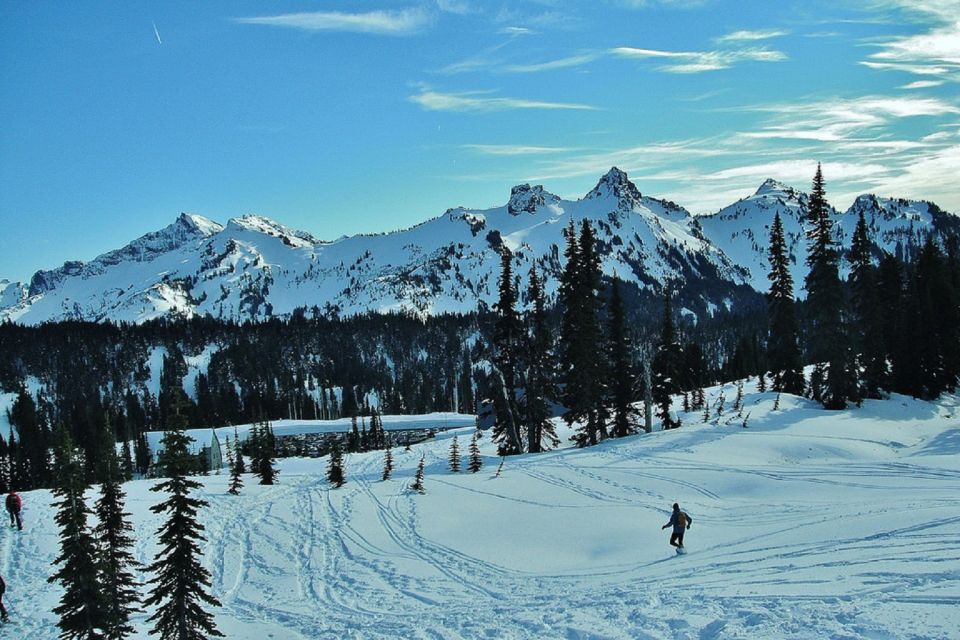
This tour runs in two modes: guided walking or snowshoeing Mount Rainier, depending on snow levels. In winter (typically November–May), you’ll want to be ready for colder, wetter ground. The tour asks for water-resistant/waterproof boots in that season, and they can provide winter boot support only if you let them know you don’t have adequate shoes.
If snowshoeing is on the menu, you’re not just “going for a walk.” Snow travel changes everything—traction, footing, and pacing. The tour includes snowshoes when necessary, which removes a big hassle for visitors who forgot gear or don’t want to rent a bunch of stuff.
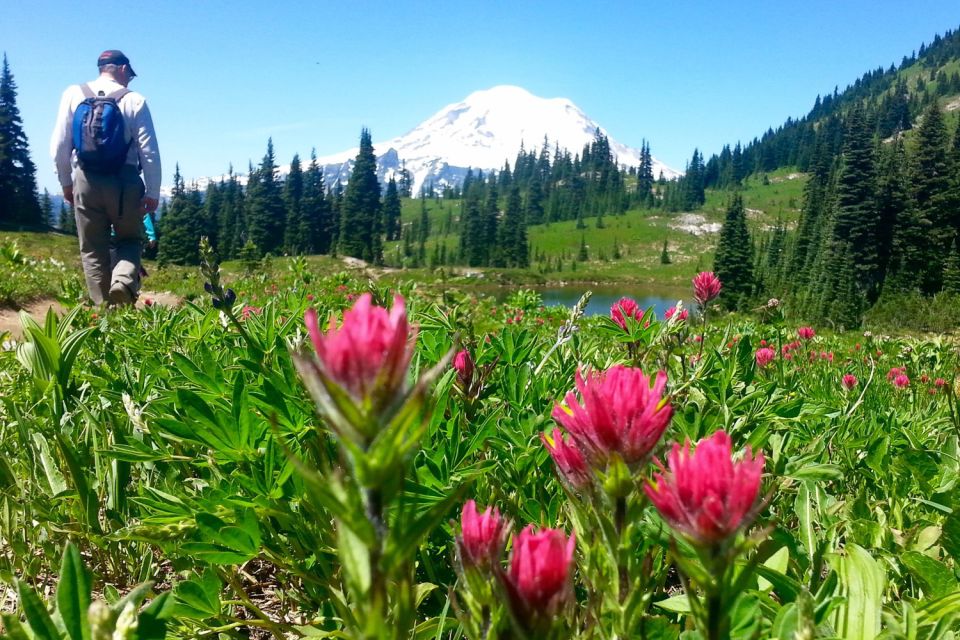
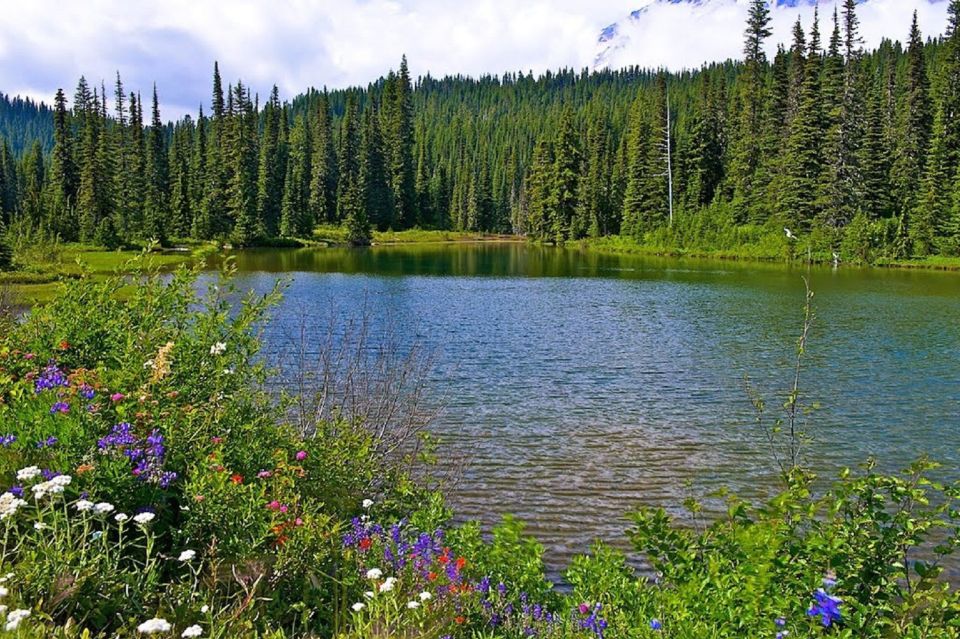
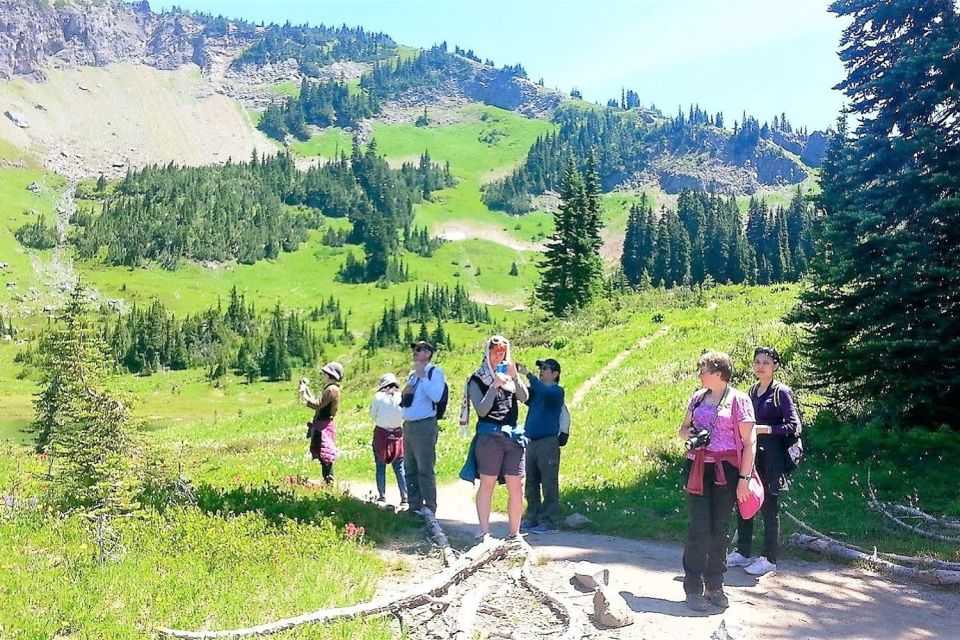
In summer or shoulder seasons with lighter snow, you’ll be on foot in a way that’s still guided and intentional. You’ll spend the day moving through the best accessible scenery—meadows, forest edges, waterfalls, river valleys, and the kind of glacier viewpoints that make Rainier feel like more than a photo.
What you’ll see on foot: forests, meadows, waterfalls, and big mountain thinking
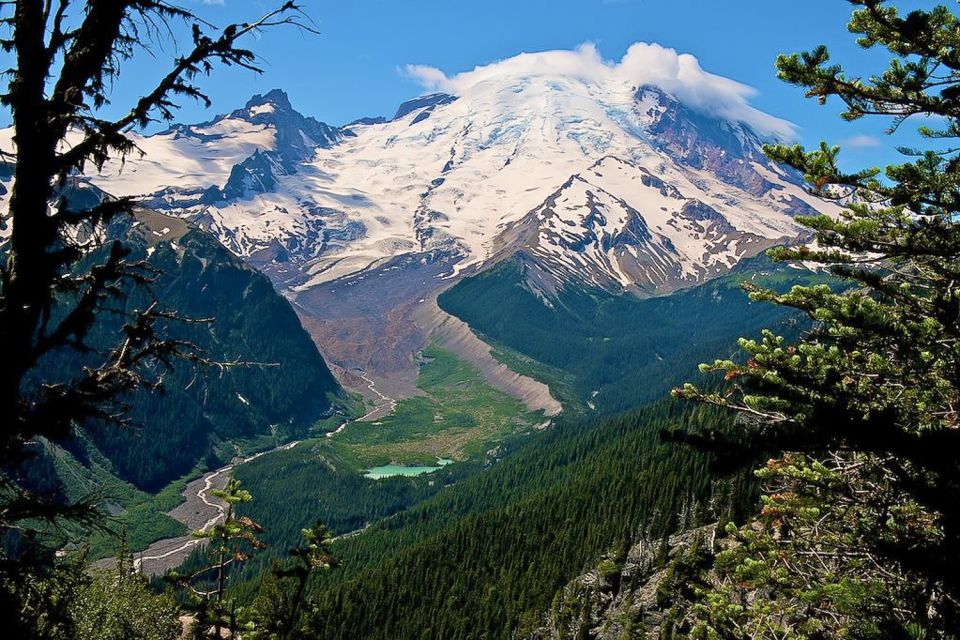
The walking part of the day is where you’ll feel the value of having a naturalist guide instead of just a route map. The guide ties together what’s visible right in front of you: how Rainier’s glaciers shape the landscape, how surrounding forests support wildlife, and how the region’s volcanic geology influences what grows where.
You can expect a mix of:
- Old-growth forest viewpoints and stops where the guide explains what makes that forest special
- Wildflower season moments (when it’s covered in seasonal blooms)
- Waterfalls and river-valley scenery as natural breaks in the day
- Alpine vistas where Rainier dominates the horizon
On at least some days, you may also stop at standout spots people remember—Christine Falls comes up in past trips as a favorite moment, especially when snow turns the area into a winter scene.
The tone is upbeat and practical. Guides like Marty have gone beyond plants and rocks to share Indigenous connections and stories tied to the mountain—how people understand living near a volcano and what the mountain means in local life. That kind of context changes how you look at the terrain.
Wildlife spotting: how to actually enjoy it (not just chase it)
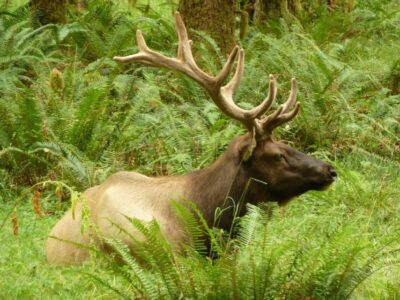
Rainier isn’t a zoo. Wildlife is always a “maybe,” but the tour leans into real chances. You might see birds, marmots, coyotes, elk, and black bears, and you’ll also look for deer in open meadows later in the day.
Here’s how I’d play it to maximize your odds:
- Keep your eyes up and scanning, not just on the trail surface
- Bring binoculars if you have them (the tour encourages it)
- Be patient on pull-offs—wildlife often shows up when the group pauses
One of the more memorable wildlife moments from past trips was a bald eagle seen across a farm field while crows acted like a tiny sky-side security team. Even if you don’t see that exact scene, the rhythm—look, listen, stop, reposition—adds a fun “spotter game” feel to the day.
Lunch breaks that don’t feel rushed (and what’s actually included)
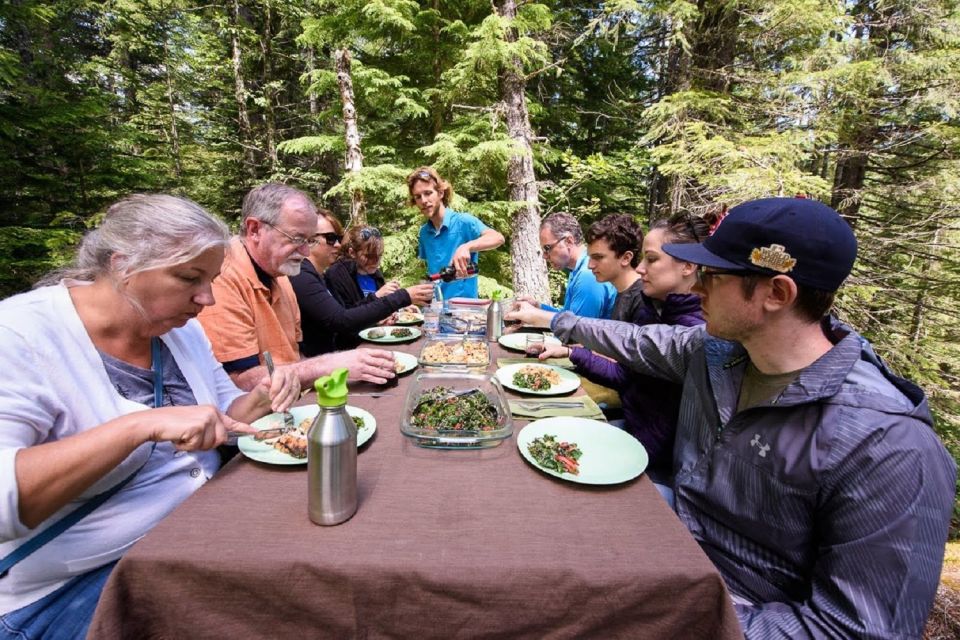
Lunch is one of the best reasons to pick this tour. It’s not just food thrown at you. It’s a seasonal picnic from a local woman-owned catering partner, and the setup can be genuinely nicer than you’d expect—table linen, cloth napkins, and real utensils have shown up on past days.
In terms of what you’ll feel physically, it’s the right kind of break: enough time to eat, reset, and take photos, without losing the momentum of the day. In at least one winter-season experience, lunch took place in a snowy setting so it felt like part of the scenery rather than something tacked on between hikes.
One note: while lunch itself has been praised as delicious, some people felt the drink situation could be improved. Since the tour includes coffee or tea in the morning plus assorted snacks and refreshments, you’re not walking in starving. Still, if you’re a big water drinker, consider bringing your own small extra plan for hydration so you’re not waiting on refills.


Timing and pacing: 10.5 hours that still feel like a full day
The total duration is 10.5 hours, with the van bringing you back to Seattle at the end. This length is long enough to get beyond the quick-photo version of Mt. Rainier, but short enough that most people finish feeling pleasantly tired rather than wiped out.
Pacing is usually guided by conditions. On snow days, snow travel slows you down. In rainy weather, visibility and footing change how you hike. One of the things that keeps the experience from feeling chaotic is that the schedule is adaptable to the conditions and to the group’s abilities.
That matters because Mt. Rainier can be weather-mood swings all day long. This tour runs rain or shine, so you’re not guaranteed clear views, but you are guaranteed time outside with a guide who adjusts where you can.
The small-group advantage: why max 10 people changes the day
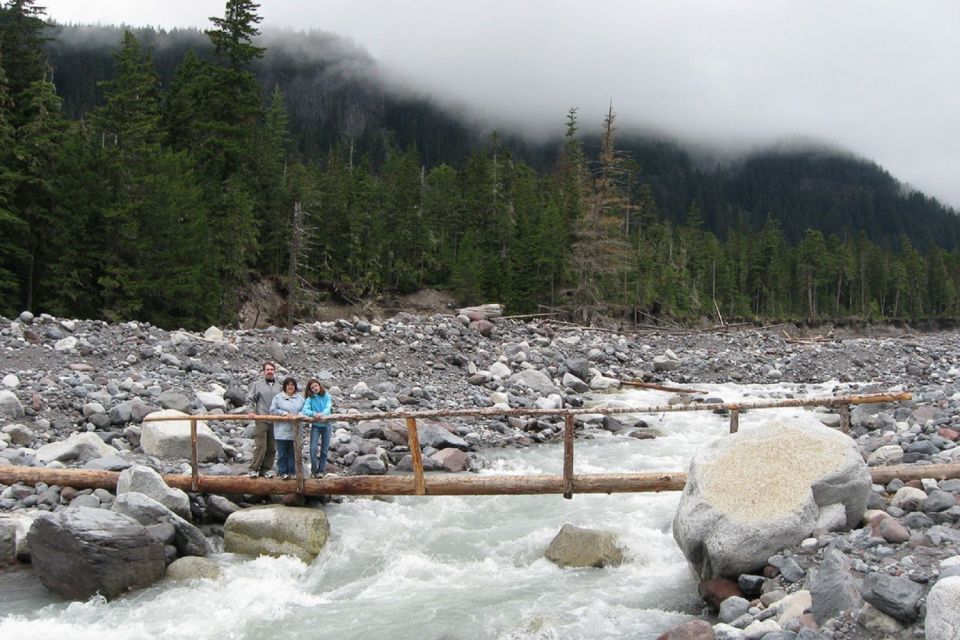
This is limited to 10 participants, which you’ll feel from the first hour. In a big group, you often get a distant guide voice and long waits to move between stops. In a max-10 setup, you can:
- hear explanations clearly
- ask questions as they come up
- keep a comfortable walking rhythm
- actually meet people without the day turning into crowd management
Past trips also show that guides can get personal—driving with conversation up front, answering questions fast, and making sure everyone has what they need. When one guide is named repeatedly (Marty shows up a lot), it’s usually because the group dynamic improves when the guide is relaxed and in control.
Gear, weather, and the stuff people forget
You’ll want to travel light and pack smart. The tour does not allow pets, luggage or large bags, and drones. That’s for safety and space in the van and trail area.
Bring:
- Comfortable shoes
- Weather-appropriate clothing
- Socks (sounds basic, but cold/wet feet ruin days)
Binoculars and a camera are encouraged. If you’re the type who likes to document plants, wildlife, or glacier shapes, this is the day to do it.
Winter shoe rule matters: if you’re going between November and May, the tour requires water-resistant/waterproof boots. If you don’t have them, let the operator know in advance so you can use their small rental inventory.
Also think about your body. This tour isn’t listed as suitable for children under 10, and it’s not suitable for wheelchair users. It’s a walking-heavy day with snow travel sometimes thrown in.
Value check: $344 for 10.5 hours of guided Mt. Rainier time
At $344 per person, it’s not a budget hop-on bus. So here’s where the value math gets real.
You’re paying for:
- transportation with hotel pickup and drop-off
- a naturalist guide who explains geology, ecology, and more
- all park entry fees
- included snacks plus a catered picnic lunch
- snowshoes when needed
That package saves you money and hassle compared with piecing it together yourself—parking, entry fees, shuttles or rental cars, and separately booking a guide or ranger-style experience.
Is the day physically demanding? It can be, but it’s also paced to the group and conditions. And the fact that the lunch is more than a sandwich helps justify the cost. Some food feedback has been mixed (one reviewer said lunch was only okay), but multiple experiences praised it as excellent and well-presented.
So I’d call this a value move if you want the “I got the most from the day” feeling. If you prefer solo freedom and don’t care about guided explanations, you might find cheaper ways to reach the park. But if you want guided walking or snowshoeing with context, this price starts to make sense fast.
Who this tour suits best (and who should pick another plan)
Best fit:
- You want a guided Mt. Rainier day from Seattle without driving
- You like learning while you hike, especially ecology and geology
- You enjoy wildlife spotting and want a plan that stops to look
- You’re okay with long-ish hours on your feet (the walking/snowshoe time is the point)
You might skip it if:
- You need wheelchair-friendly access
- Your group includes kids under 10
- You want a purely flexible, self-directed itinerary with no guide structure
- You’re highly sensitive to wet/cold conditions, since the tour runs rain or shine
Also, if you’re a first-time Rainier visitor, this tour is a strong way to get your bearings. You’ll learn what matters in the park and why the guide’s stops are chosen.
Should you book? My practical take
If you’re the kind of traveler who wants to leave Rainier feeling like you understand it, this is a great bet. The strongest parts—small group size, naturalist guidance, and that catered lunch setup—add up to a day that’s more than just transportation plus scenery.
I’d book it if:
- you’re staying in Seattle and want pickup done for you
- you want hike or snowshoe time with someone who can explain what you’re seeing
- you care about wildlife odds and guided pauses
I’d reconsider if:
- your top priority is cheapest access, not guided value
- you’re worried about having enough drinks (plan for it)
- your schedule can’t handle a full 10.5-hour day
If you do book, pack for real weather, bring socks that treat your feet kindly, and don’t forget a camera if you like glacier textures and waterfall angles. Rainier rewards the people who slow down long enough to look.
FAQ
What’s included in the Mt. Rainier tour from Seattle?
Pickup and drop-off from downtown Seattle hotels (or the Sheraton Grand Hotel), an expert naturalist guide, transportation in a high-roof passenger van, coffee or tea with a light morning snack, assorted snacks and refreshments, all park entry fees, and a seasonal picnic lunch from a local woman-owned caterer.
Is this tour a hike or snowshoe trip?
It depends on snow levels. The day includes a guided walk or snowshoeing Mount Rainier, and snowshoes are included in winter if necessary.
How big is the group?
The group is limited to 10 participants, so it stays small and easier for the guide to manage and for you to ask questions.
Where and when does pickup happen?
Pickup typically happens between 7:30am and 8:00am from downtown Seattle hotels or the Sheraton Grand Hotel. There are also pickup options in Seatac and Tacoma if you inquire.
Does the tour run in bad weather?
Yes. The tour takes place rain or shine.
What should I bring?
Bring comfortable shoes, socks, and weather-appropriate clothing. The tour also encourages binoculars and cameras. In winter (November–May), you’ll need water-resistant or waterproof boots.
Is tipping included?
No. Guide gratuity is not included.