REVIEW · SEATTLE
Eat Around the World Seattle Food Tour
Book on Viator →Operated by WeVenture Seattle Private Tours · Bookable on Viator
This Seattle food tour turns one neighborhood into several countries. You get full-meal tastings plus neighborhood history in about 2.5 hours, centered on the Chinatown International District. It’s the kind of outing where you leave with your stomach satisfied and your mental map of Seattle changed a bit.
I especially like the mix of Japanese, Chinese, Korean, Filipino, and Hawaiian flavors without it feeling random. And I really enjoy that the guide brings the place to life—seen firsthand with guide Lee, who combines street food stops with clear context and a considerate pace.
One thing to plan for: this isn’t a guarantee-allergies-friendly meal program. The tour notes it may not accommodate gluten sensitivity and vegan restrictions, so it’s smart to ask ahead if you have dietary needs.
In This Review
- Key Things That Make This Tour Worth It
- A Food Tour That Actually Shows You Seattle
- From Smith Tower to the Chinatown International District
- The Eating Part: A Full Meal’s Worth of Stops
- Tea at a Historic Hotel and Japantown Preservation
- Landmarks That Explain Why the Neighborhood Looks Like This
- Traditional Staples, Plus a Modern Dessert Detour
- Bonus Stops You Might Want After the Food Tour
- Price and Logistics: What $29 Really Buys
- Who Should Book This Tour (and Who Should Ask Questions First)
- Should You Book Eat Around the World Seattle Food Tour?
- FAQ
- How long is the Eat Around the World Seattle Food Tour?
- What is the price?
- Where does the tour start and where does it end?
- What tastings are included?
- Is it a mobile ticket?
- Can the tour accommodate allergies or vegan diets?
- How big is the group?
Key Things That Make This Tour Worth It
- Global flavors in one compact area, so you don’t waste time commuting between neighborhoods
- A local guide you can follow easily, with a group size capped at 12
- Tea, snacks, and multiple cuisine styles, not one or two token bites
- Historic stops built into the walking route, from early Seattle rail-era landmarks to ID icons
- Landmark-rich pacing, designed around short bites and frequent opportunities to regroup
A Food Tour That Actually Shows You Seattle
Seattle has food tours that feel like a checklist. This one works differently. It places you in the Chinatown International District and then uses meals to explain why the neighborhood looks and tastes the way it does.
At $29 for roughly 2 hours 30 minutes, the value comes from the structure: you’re not just buying snacks. You’re paying for a local guide, planned tastings that add up to a full meal, and a walk that connects food to place. The stops also make sense geographically, which matters when you want a tour you can finish without burning half your day.
The tour uses a mobile ticket and keeps the group small (up to 12). That size is big enough to feel social, but small enough that your guide can slow down when people need a rest or a question answered.
You can also read our reviews of more food & drink experiences in Seattle

From Smith Tower to the Chinatown International District
The tour starts at 506 2nd Ave with Smith Tower as the first major landmark. Smith Tower is a great “why Seattle works” opener: it’s part of the downtown skyline story, and it also gives you an easy landmark reference before the route shifts toward Pioneer Square and then into the International District.
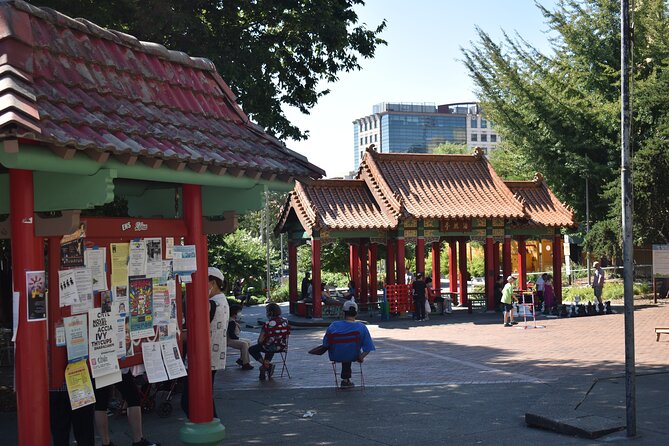
You’ll then spend the bulk of the time in the Chinatown International District, where the tour focuses on the neighborhood’s cultural past and present. This is one of the best parts of a walking food tour: you’re not traveling far, but you’re constantly changing what you see—signs, storefronts, sidewalk energy, and the mix of old institutions and modern community life.
You might also pass key ID sights as you go. Expect things like historic gates and well-known community anchors, plus older restaurants and museums along the way. That matters because it keeps the food from feeling like it floats in from nowhere.
The Eating Part: A Full Meal’s Worth of Stops
The tour is very clear about what you’re getting: lunch tastings equal to a full meal. Translation: you’ll likely leave actually satisfied, not nibbling your way through two hours.
Here’s what’s specifically listed as part of the experience:
Japanese-inspired waffle cakes with azuki bean filling
These are sweet, compact, and easy to eat while you’re walking between stops. They also set the tone for the Japanese angle that shows up again in the neighborhood’s older restaurants and the Japantown-related history.
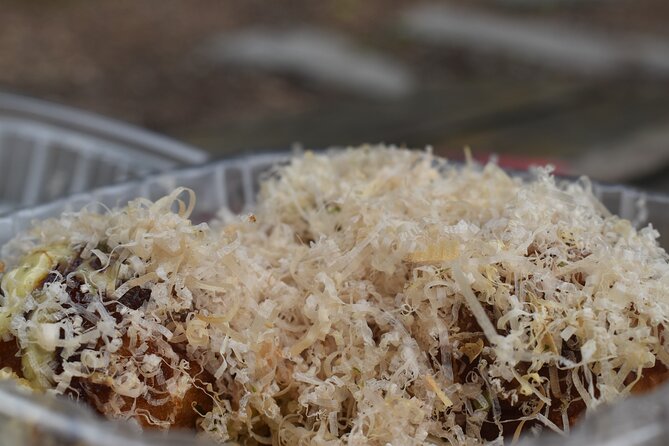
Japanese savory octopus balls
If you want something salty that feels street-food authentic, this is it. It’s also a good contrast to the sweets earlier in the tour, so you’re not stuck in sugar-only territory.
Chinese dumplings with various fillings
Dumplings are the comfort-food bridge between cultures. They’re also a smart choice for a tour because they’re filling and portable enough to eat in the flow of a guided walk.
Korean-inspired desserts such as ube or pandan
These flavors give you a modern twist while staying inside the “treat stop” rhythm. Ube and pandan both tend to stand out visually and flavor-wise, so you’ll remember them.
Coffee and/or tea
This is practical. It helps you slow down, sit with the group for a moment, and keep your energy steady while you’re walking.
Hawaiian-inspired musubi
Musubi is one of those foods that feels like it belongs to Seattle’s Pacific connection. It also balances the meal so the tour doesn’t skew too dessert-heavy.
The pacing is the real secret sauce. The route is built for short bites at multiple locations, so you can taste a range without feeling like you’ve been handed one giant plate and left to guess how long it’ll take.
Tea at a Historic Hotel and Japantown Preservation
One stop is built around a historic hotel and cafe with a story tied to Seattle’s Japantown. The tour includes tea and snacks there, and the space is described as a dedicated museum preserving Japantown history.
This is the kind of cultural stop that doesn’t bog you down. It’s short enough to stay in tour rhythm, but it gives you a “now I get it” moment—how community spaces survive, change, and still matter even after the neighborhood transforms around them.
If you like learning through context (instead of only through a lecture), this is a strong element. You can taste the snack, then look around and connect it to what the museum is trying to preserve.
Landmarks That Explain Why the Neighborhood Looks Like This
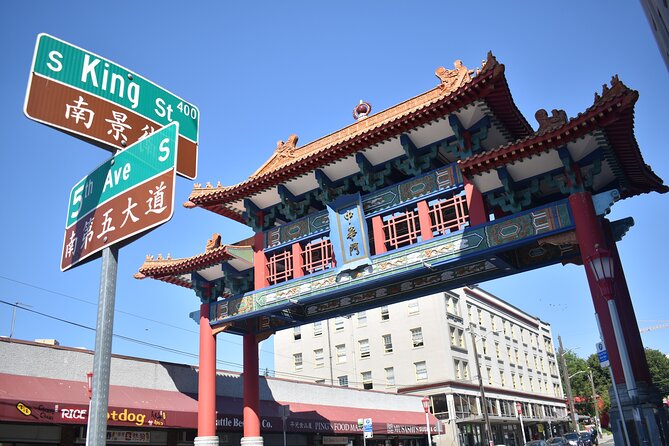
The walk isn’t just for food. It also routes you through landmarks that help explain how Seattle’s Chinatown International District became what it is.
A few stops or pass-bys you should expect to see:
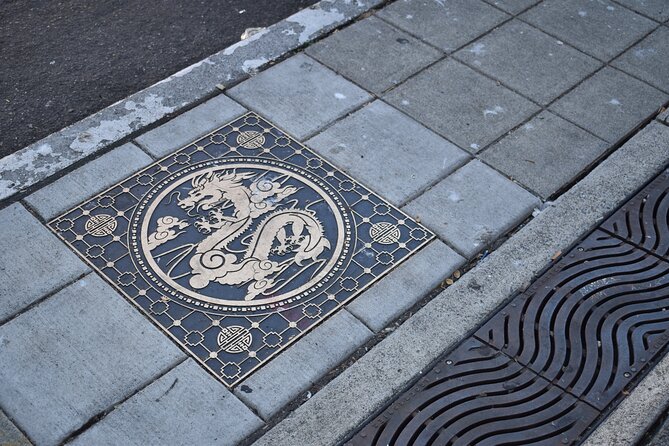
The Chinatown gate area and classic ID streets
These give you the “you are here” feeling fast. And gates and signage matter—your eyes learn the neighborhood pattern quickly when there’s a recognizable visual marker.
A steep Seattle hillside terrace with Japanese-inspired gardens
This is one of those places you might not notice on your own if you’re just moving quickly between destinations. The tour route includes a terrace made of garden plots tended by local residents, plus Japanese-inspired gardens and stone structures higher up. It’s quiet, photo-friendly, and oddly grounding after the bustle of walking.
The 1906 Great Northern Railway station structure
The route can include this iconic building. It’s a reminder that Seattle’s identity wasn’t just built on ships and lumber—rail helped shape how people, work, and trade moved through the region.
Pioneer Square and early Seattle stories
The tour notes that history and culture begins in Pioneer Square, adjacent to Chinatown International District. You may hear about Seattle’s early pioneer days and even prior settlement, plus stories linked to logging and industrial growth.
These stops matter because they prevent the tour from becoming “just eat here, then here.” Instead, you start to connect food storefronts to the older movement of people and commerce.
You can also read our reviews of more tours and experiences in Seattle



Traditional Staples, Plus a Modern Dessert Detour
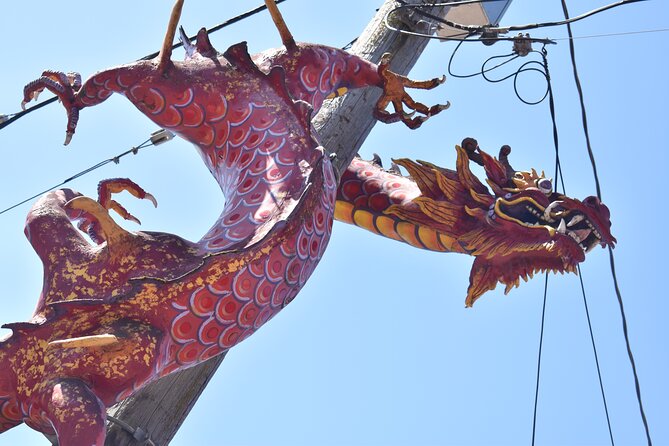
The itinerary includes multiple restaurant-style stops, not just snacks. You might encounter:
- A historic Chinatown restaurant known for a connection to a famous actor after heavy training (the tour emphasizes that claim as part of its lore)
- A Japanese restaurant dating back to 1904
- A creative cafe and bar serving Filipino desserts and alcoholic beverages
That blend of “old school staples” and “today’s playful sweet stops” is a big part of why the tour feels fun, not only educational. You get to taste what’s long-established and what’s evolving.
And if you’re the type who likes a little variety in one morning or afternoon, this tour fits. You’re not locked into one cuisine for the whole walk.
Bonus Stops You Might Want After the Food Tour
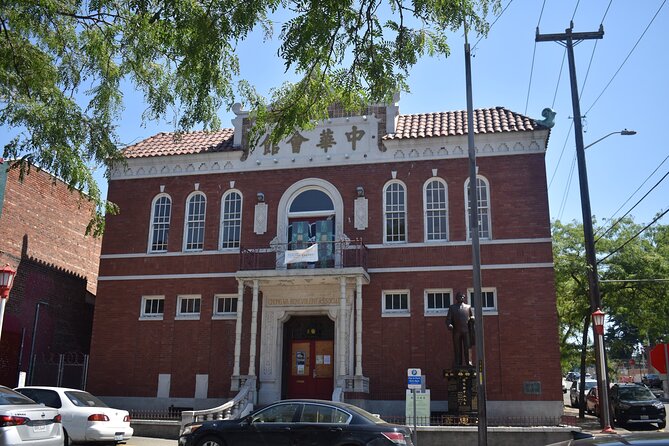
Even if your tour ends in the Chinatown International District, the area gives you more to do. The tour suggests circling back for additional Seattle Asian American experiences.
Two named ideas:
- Wing Luke Museum, which houses thousands of artifacts, photographs, and oral histories
- A large public pinball collection nearby, if you want something less museum-like but still very Seattle
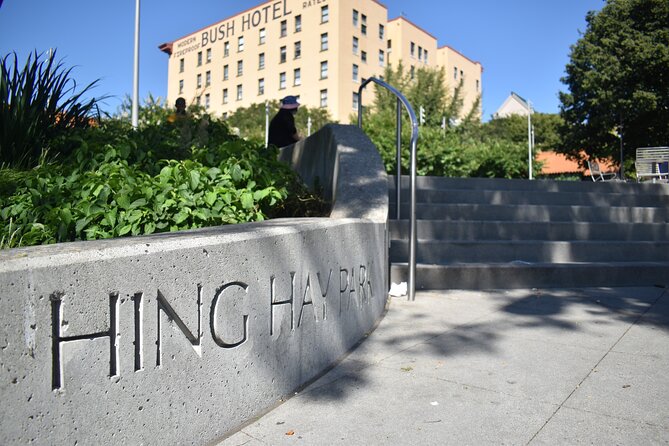
There’s also mention of an urban park in the heart of the ID—good for sitting, people-watching, or letting your food settle a bit before you head out.
Price and Logistics: What $29 Really Buys
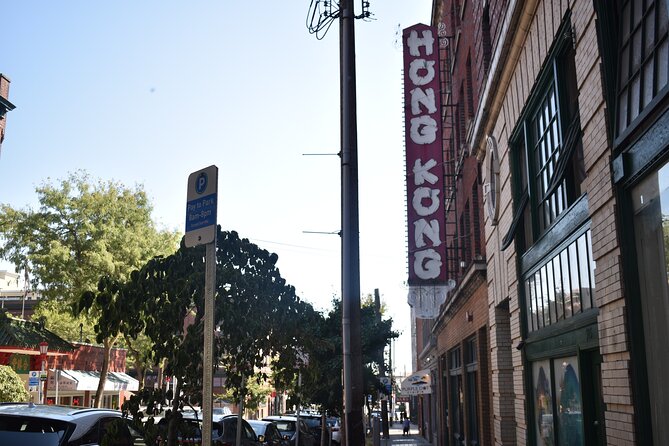
Let’s be honest: $29 is only a deal if you actually get enough food and value out of the time.
This tour has a few things going for it:
- You get tastings equal to a full meal, plus coffee and/or tea
- You also get a local English-speaking guide
- You walk through multiple important ID and nearby landmarks in about 2.5 hours
- The group cap at 12 makes it more manageable than big bus tours
So your money pays for more than calories. It pays for smart sequencing: food stops spaced so you’re not overwhelmed, plus history threaded into the route so you’re not just eating blind.
If you’re deciding between a cheaper snack-only stop and this guided walk, the guide-led part is what turns it from food sampling into an actual Seattle experience.
Who Should Book This Tour (and Who Should Ask Questions First)
This tour is built for “most travelers can participate,” and service animals are allowed. It’s also described as walkable, which helps if you want a guided day without a car.
If you move a bit slower, it’s worth asking how the pacing works on your date. One of the standout points from the experience is that Lee is considerate about the group’s needs—so you’re not stuck dragging yourself between stops.
Now, the important caution: dietary restrictions. The tour states it may not accommodate certain allergies, including gluten sensitivity and vegan restrictions. If you’re gluten-free or vegan, don’t assume you’ll be fine. Reach out and ask about possible alternatives, or ask whether a private tour can be arranged.
Should You Book Eat Around the World Seattle Food Tour?
I think it’s a strong yes for you if you want:
- A small-group food tour with multiple tastings
- A walk that includes real neighborhood context, not just restaurant names
- A sampler menu that covers multiple cuisines without requiring you to plan a full day of meals
I’d be cautious if you have significant dietary limits (especially gluten or strict vegan needs) and you can’t risk “maybe there’s something for me.” In that case, ask upfront before you book.
If you’re looking for a fun Seattle afternoon where you eat well, learn fast, and don’t feel like you’re bouncing between far-off attractions, this is a very practical pick.
FAQ
How long is the Eat Around the World Seattle Food Tour?
It’s approximately 2 hours 30 minutes.
What is the price?
The tour costs $29.
Where does the tour start and where does it end?
It starts at 506 2nd Ave, Seattle, WA 98104, and ends in the Seattle Chinatown-International District area.
What tastings are included?
You’ll get tastings equal to a full meal, including items like azuki bean waffle cakes, savory octopus balls, Chinese dumplings, ube or pandan desserts, coffee and/or tea, and Hawaiian-inspired musubi.
Is it a mobile ticket?
Yes, the tour uses a mobile ticket.
Can the tour accommodate allergies or vegan diets?
The tour notes it may not be able to accommodate certain allergies, including gluten sensitivity and vegan restrictions. It’s best to reach out to inquire about alternatives or a private tour.
How big is the group?
The tour has a maximum of 12 travelers.