REVIEW · SEATTLE
Private Seattle Cooking Class with a Chef in Her Home
Book on Viator →Operated by Traveling Spoon · Bookable on Viator
Cooking in a home beats restaurants. I love the Lake Union view from Brittney’s condo, and I love that the menu leans hard on fresh, locally sourced Pacific Northwest ingredients, especially seafood from a local community-supported fishery. The only real drawback to plan around is simple: it’s in a home, so you’ll need to get to Eastlake yourself since there’s no hotel pickup.
What makes this Seattle cooking class feel different is the pacing. You start with conversation and stories from Brittney, then roll up your sleeves in her compact but open kitchen, and finally you sit down to eat what you cooked with wine or beer.
This is a great fit if you want hands-on technique, not just a meal. You’ll leave with practical skills you can use again, plus a sense of Seattle that goes beyond the usual tourist stops.
In This Review
- Key highlights you’ll care about
- Meeting Brittney in Eastlake, with Lake Union nearby
- Inside the small open kitchen: how the class actually works
- Main dish: furikake and salt-crusted black cod, plus salmon options
- Starters and sides: slaw, quinoa salads, bread, and rice
- Sauce technique: what you’ll learn and why it matters later
- Dessert and the meal you share over wine or beer
- Price and value: what $198 per person really buys
- Who should book this class (and who might skip it)
- Should you book this Seattle in-home cooking class?
- FAQ
- How long is the Seattle cooking class?
- Where does the experience start and end?
- Is this a private experience?
- What is included in the price?
- Can the menu accommodate vegetarian or vegan diets?
- Is hotel pickup provided?
Key highlights you’ll care about
- A private chef-hosted class in Brittney’s condo, so it’s built for your group, not a crowd
- Seafood first, with salmon, black cod, and shellfish sourced from a local community-supported fishery in Washington
- 3 seasonal dishes in about 1.5 hours of cooking, then you relax and eat the results together
- Technique-focused sauces and plating, not just following steps
- Local produce and flexible flavor influences, sometimes with Mediterranean or Asian twists
- Alcohol and gratuities included, which makes the $198 price easier to swallow
Meeting Brittney in Eastlake, with Lake Union nearby
The experience starts in Eastlake, Seattle (98102), and it ends right back there. That matters because you’re not dealing with a long ride or transfers. You just show up, settle in, and let the evening unfold at a local pace.
When you meet Brittney, expect a warm welcome in her designed condo with a view of Lake Union. Before you even cook, there’s a quick reset moment: you sip a refreshing drink while Brittney shares stories about living in Seattle. I like this part because it sets the tone. You’re not walking into a classroom. You’re stepping into someone’s home, where the food is connected to place.
This also hints at the style of the class. It’s small and personal. There’s no sense you’re performing for a camera. If you enjoy asking practical questions—why a sauce works, what to swap at home, how to handle timing—you’ll get more of that here than in a large group class.
One more logistical note that affects your day planning: since there’s no hotel pickup, you’ll want to head to Eastlake early enough to arrive relaxed. The location is near public transportation, and service animals are allowed, which is helpful for many visitors.
You can also read our reviews of more private tours in Seattle



Inside the small open kitchen: how the class actually works

The cooking lesson runs for about 1.5 hours, and that’s the heart of the experience. Brittney’s kitchen is small but open and contemporary, which can feel surprising at first if you’re used to big commercial setups. The upside is that you get closer to the action. You can watch, try, and ask without feeling shoved to the side.
During this block, you’re not just assembling one dish. You’ll cook three seasonal dishes, guided step by step. The focus stays practical:
- cooking the main (often seafood)
- making a salad or root vegetable puree
- learning the sauce techniques that bring everything together
That last piece is the real long-term value. Most home cooks can follow a recipe, but sauces are where flavor is won or lost. Brittney’s approach helps you understand what’s happening: balance, thickness, acidity, and how a sauce supports the main rather than competing with it.
And since the menu can shift based on what’s fresh, you get a version of Pacific Northwest cooking that feels current, not canned. Expect influence from Mediterranean or Asian flavors at times, but the backbone stays Seattle: produce, seafood quality, and seasonality.
Main dish: furikake and salt-crusted black cod, plus salmon options
If you’re excited about seafood technique, this part is the headline. One possible main is furikake and salt-crusted black cod. Another option you might see is black cod or salmon from the Washington coast paired with a miso carrot puree.
Here’s why that’s more than just a fancy menu label. Black cod and salmon are forgiving when handled well, but they reward attention to timing and texture. A crusted approach like salt crust or furikake seasoning can make you feel like you’re doing restaurant work, while still being teachable in a home kitchen.
The miso carrot puree is also a smart pairing lesson. You’re learning that “a puree” isn’t only about softness. It’s about sweetness, saltiness, and depth. Carrots bring natural sweetness; miso adds background savoriness; puree texture helps the whole plate feel cohesive.
If you’re a seafood lover, I’d treat this main as your chance to learn what actually makes the dish taste like itself. Pay attention to how the sauce is built, then notice how the puree and crusted fish work together on each bite.
Starters and sides: slaw, quinoa salads, bread, and rice
The class doesn’t stop at the main. You’ll also make a starter that balances the richness on the plate.
From the sample menus, starters can include:
- Cabbage and carrot slaw in ginger soy vinaigrette, which adds crunch and tang
- Lemon spinach quinoa salad, which brings brightness and a lighter feel
- Brown rice or grilled artisanal bread as an accompanying starter
These options are practical for your future home cooking. Slaw with ginger soy vinaigrette is a great template: crunchy vegetables plus a sauce you can remix. Quinoa salad is similar—same method, different greens or add-ins.
The best part is that these starters aren’t just “something on the side.” They’re built to set up the rest of the meal. If your main is deep and savory, the starter gives you acidity and texture so each bite doesn’t blur together.
Also, since the menu is seasonal, you might get a slightly different combination than the examples listed. That’s normal here, and honestly it’s part of the point: local cooking changes with what’s good right now.
Sauce technique: what you’ll learn and why it matters later
In most classes, sauce is mentioned like an afterthought. Here, it’s one of the named skills. You’ll learn the techniques involved in making sauces that accompany your main.
What you should watch for while you cook:
- how the sauce thickens or stays light
- where acidity shows up
- how seasoning is adjusted during cooking, not only at the start
Even if the exact sauce on your plate differs from the example menu, the technique is transferable. That means when you go home, you’re not stuck hunting for the exact ingredient list. You can apply the logic to what you can find locally.
This is where the class earns its value. You’re paying not only for ingredients, but for the know-how behind them. And with a private setup, you’re more likely to get your questions answered in real time.
You can also read our reviews of more cooking classes in Seattle
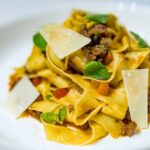
Dessert and the meal you share over wine or beer
Once cooking wraps, you sit down and share the meal you helped prepare. This is one of the reasons I like in-home cooking classes: you get the full arc, from active work to a relaxed dinner.
Dessert options can include apple and blackberry tart or homemade honey lavender almond ice cream. If you’re the type who loves a “last course” that doesn’t taste like store-bought sweet, these options are a good sign. They also match the Pacific Northwest mood: fruit, honey notes, and flavors that feel grown-up.
You’ll enjoy the meal over wine or beer, and the good news is that alcoholic beverages are included. That keeps the experience feeling like one complete evening, not a series of add-ons.
One detail that came through strongly: the meal can include standout combinations with Oregon wine. In one example menu, Willamette Valley Vineyards Pinot Gris paired with dishes like sockeye salmon with walnut basil pesto and a salad with lemon vinaigrette, followed by chocolate tahini truffles with pomegranate molasses. That kind of pairing isn’t just about taste. It signals the overall vibe: thoughtful, local, and meant to be enjoyed.
Price and value: what $198 per person really buys
At $198 per person for about 3 hours, the price feels premium. But this class avoids the usual “gotcha” add-ons. Your price includes:
- the private cooking class with Brittney
- all fees and taxes
- alcoholic beverages
- gratuities
- a culinary and cultural experience with a local
You also get the benefit of being private. Only your group participates, so it’s not a rushed, factory-style class. If you’re coming with someone you trust to share the work and the conversation, the value often lands better.
The other value lever is ingredients. Fresh and local produce matters here, and so does seafood sourcing. The seafood comes from a local community-supported fishery in Washington (the only one in Washington, per the class info). If you care about sustainability and flavor, that matters more than generic “fresh ingredients” wording.
The key consideration is that you’re paying for an experience, not just a meal. If your priority is quantity or a quick bite, you might feel the cost more. If your priority is technique, learning, and a memorable evening in a real Seattle home, it’s easier to justify.
Who should book this class (and who might skip it)
Book it if:
- you want hands-on cooking in a home kitchen
- seafood is a big reason you love travel
- you want to learn sauce technique you can repeat later
- you prefer a smaller, personal experience over a bus-and-boardroom event
Consider skipping if:
- you hate doing any cooking yourself
- you’re unwilling to get to Eastlake on your own (no hotel pickup)
- you need lots of open work space; the kitchen is described as small
If you’re traveling as a couple, this is especially strong. You get privacy, shared focus, and a dinner that continues the same evening energy.
Should you book this Seattle in-home cooking class?
I think you should book if you want a Seattle meal with context. This isn’t just about eating good food. It’s about learning how the flavors come together, guided by Brittney in a real home setting with a view of Lake Union.
The decision comes down to your style. If you like teaching moments, hands-on technique, and a slower dinner pace that ends with wine or beer, this fits nicely. If you’re aiming for a quick, low-effort activity, look elsewhere.
FAQ
How long is the Seattle cooking class?
It lasts about 3 hours total, with roughly 1.5 hours spent cooking.
Where does the experience start and end?
It starts in Eastlake, Seattle, WA 98102, and it ends back at the same meeting point.
Is this a private experience?
Yes. It’s private, and only your group participates.
What is included in the price?
The private class, all fees and taxes, alcoholic beverages, gratuities, and the culinary and cultural experience are included.
Can the menu accommodate vegetarian or vegan diets?
Brittney can offer vegetarian or vegan meals on request. You need to advise at booking about dietary restrictions or allergies.
Is hotel pickup provided?
No. Hotel pickup and drop-off are not included.