REVIEW · SEATTLE
Seattle: Museum of Illusions Entry Ticket
Book on GetYourGuide →Operated by Museum of Illusions Seattle · Bookable on GetYourGuide
Your brain will argue with your eyes.
That’s the whole point at the Museum of Illusions Seattle: optical-illusion science turned into interactive rooms and installations you can test on the spot. In a city packed with big sights, this one works because it’s playful, visual, and you stay in control of what you try first.
I love two things most. I really enjoy the illusion rooms where you can see impossible effects like changing scale and strange gravity tricks. I also like that it’s in downtown Seattle, so you can stitch it into a day with nearby favorites like Pike Place Market, the Seattle Art Museum, or the Seattle Aquarium.
One thing to consider: the ticket is non-refundable, so pick a day you’re confident you can keep.
In This Review
- Quick hits before you go
- Museum of Illusions Seattle: what this ticket really gives you
- Location game: why downtown Seattle helps your day
- The exhibits: illusion rooms, holograms, and sensory puzzles
- What to do first when you walk in
- The one-day format: how much time you should plan
- Value check: is a $41 ticket worth it?
- Best for: families, friend groups, and date nights
- Practical tips for a smoother visit at 1330 5th Ave
- About the non-refundable ticket and planning risk
- What the 4.3 rating suggests about the experience
- Should you book Museum of Illusions Seattle?
- FAQ
- Where is the Museum of Illusions Seattle?
- What is included with the ticket?
- How long can I use the entry ticket?
- Are there specific starting times?
- Is the museum wheelchair accessible?
- Can I bring animals into the museum?
- What types of exhibits are there?
- How many exhibits are there?
- Is the ticket refundable if my plans change?
Quick hits before you go

- 50+ interactive exhibits built around optical illusion science, not just photo ops
- Illusion rooms, installations, and holograms that make you question what you think you’re seeing
- Downtown location near Pike Place Market, Seattle Art Museum, and the Seattle Aquarium
- Wheelchair accessible, with step-free access to support easier visiting
- No animals allowed, so plan for pet care if you’re traveling with one
- Valid for 1 day, with starting times you’ll need to check at booking
Museum of Illusions Seattle: what this ticket really gives you
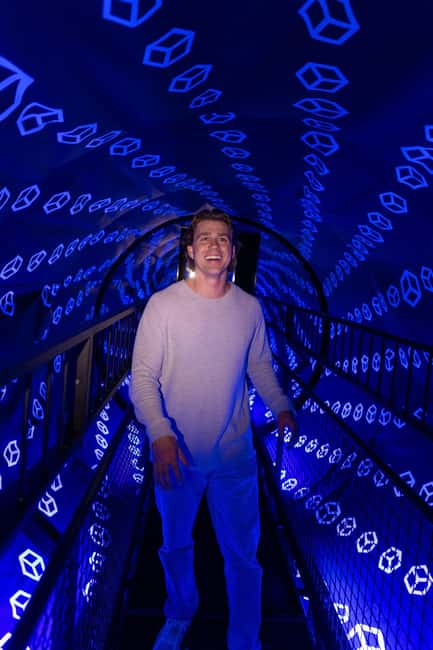
This is an entry-ticket experience designed for one thing: changing how you see. Instead of watching illusions from behind glass, you move through rooms and interact with installations that create visual conflicts. Your eyes and your brain don’t always agree, and that disagreement is the show.
The museum promises a mix of sensory and educational fun—tricks on your perception paired with the science behind why those tricks work. In practice, that means you’ll spend your time trying effects, then comparing what you expected versus what happened.
For planning, treat your visit as a flexible self-guided route. You have a day to explore, but the exhibits are hands-on, so your pace will depend on how long you like to test each setup. If you’re going with kids, expect laughter, quick replays, and plenty of stop-and-think moments.
You can also read our reviews of more tours and experiences in Seattle



Location game: why downtown Seattle helps your day
The museum sits at 1330 5th Ave, with building access on the corner of 5th Ave and Union. That’s a big deal because downtown is packed with other easy wins, and you won’t waste your day on long transit.
This is the kind of activity that pairs well with a larger itinerary. You can start near Pike Place Market, then go do something totally different indoors, then return to explore art, the waterfront, or the aquarium area afterward. Even if you don’t plan an aggressive schedule, being central keeps the day from feeling like a commute.
Also, because this is a ticketed entry for a specific day, having it downtown gives you more control over weather and timing. Seattle plans can swing. This is indoor-friendly.
The exhibits: illusion rooms, holograms, and sensory puzzles

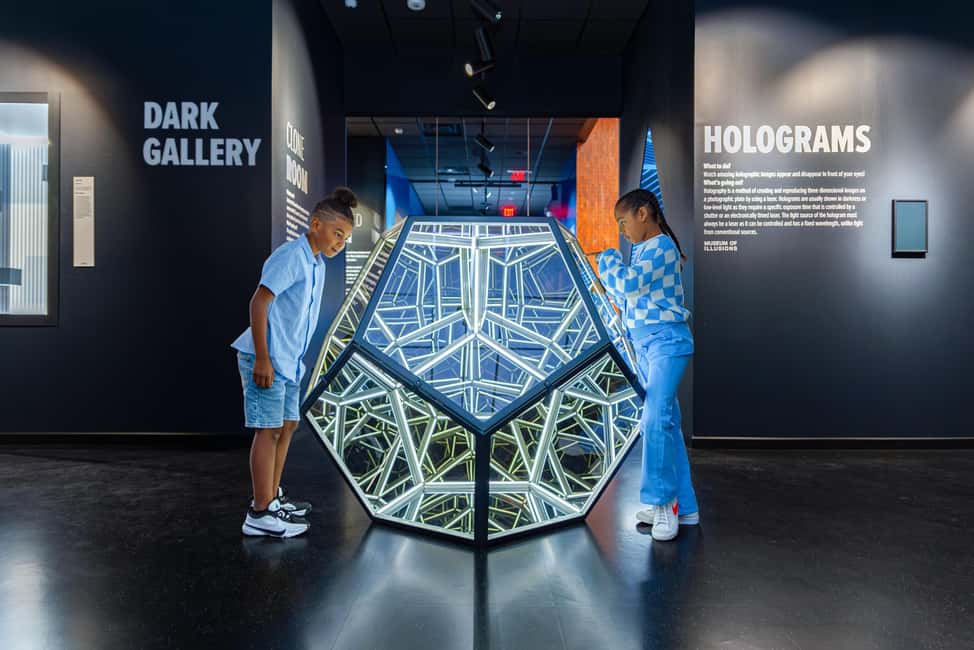
The museum’s core is its hands-on exhibit layout: over 50 immersive stations focused on optical illusions. You’ll see illusion rooms, installations, and holograms that aim to make your perception wobble.
Here are the types of experiences the museum highlights, and why they matter:
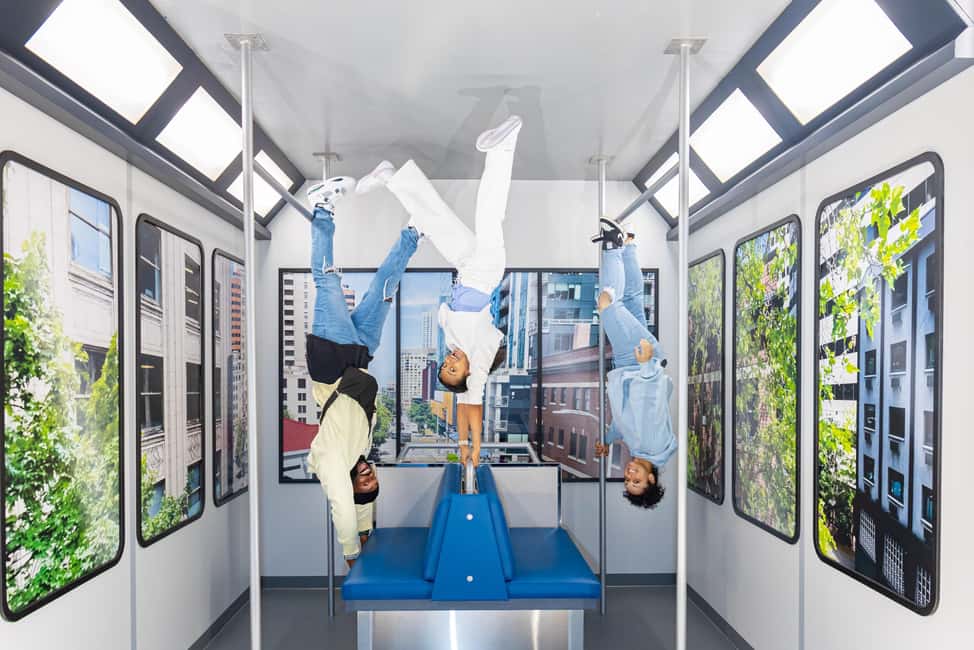
- Defy gravity effects
These setups tend to trick your brain about balance, angle, and motion. When your body feels one thing but the display suggests another, you get that satisfying mental “wait, what?” reaction.
- Grow-and-shrink body illusions
These are built for direct interaction, so you can see how camera perspective, spatial cues, and scale perception can change what you think you look like.
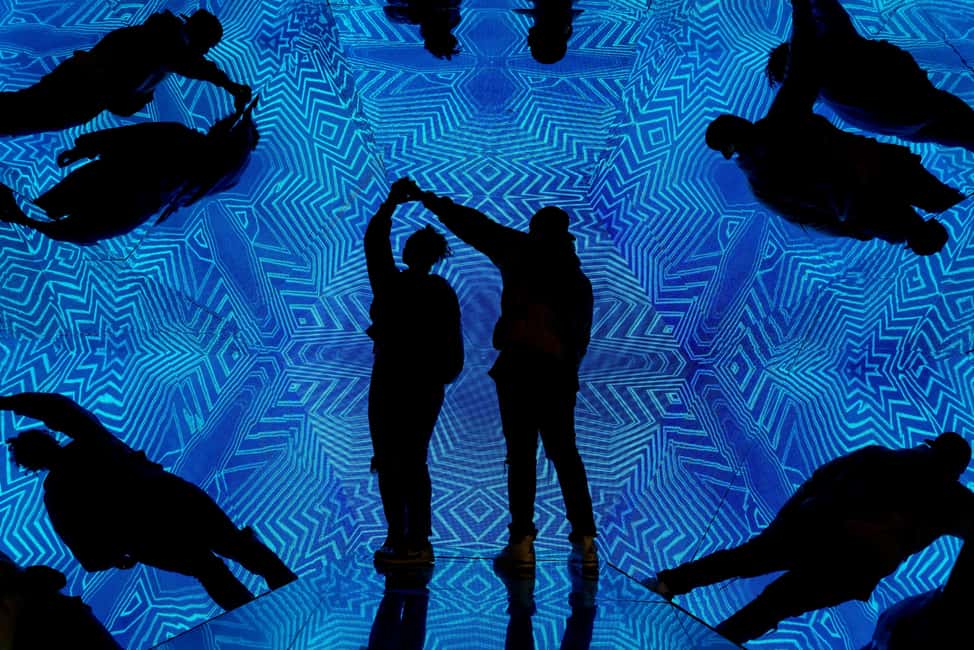
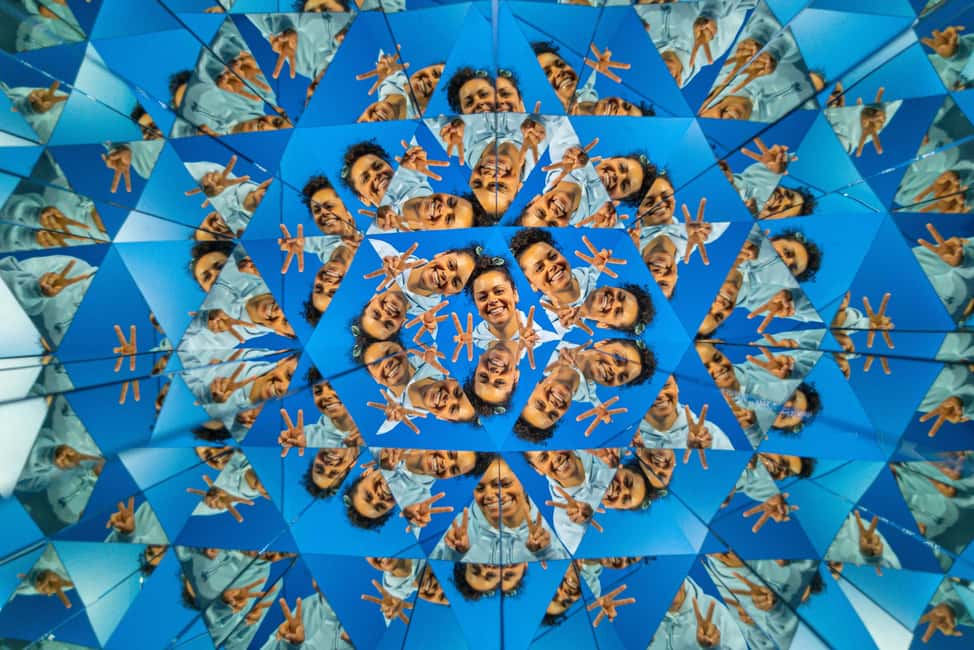
- Life-size kaleidoscope-style illusion
Large, room-scale visual patterns help you understand how your brain tries to organize chaos into something recognizable. It’s also one of those experiences that usually makes for great group photos without turning into a rigid queue of people staring at the same wall.
- Holograms
Hologram-style exhibits add another layer: depth cues. They can make you feel like you’re seeing a 3D object that doesn’t behave like a normal one. Even when the effect is brief, it changes how you read the space around you.
What I like about this mix is that it doesn’t rely on one trick. You’re not stuck repeating the same idea in different lighting. You move from gravity cues to scale cues to depth cues, and your brain learns nothing stays consistent.
What to do first when you walk in
There’s no official “do it in this order” route provided here, but you can make your visit smoother with a simple strategy.
Start with the exhibits that require the most physical participation or the most positioning. That usually means the stations where you stand, step, crouch, or line up with a marked space. Early on, there’s often less crowding in popular photo-leaning moments, so you get more freedom to try variations.
Next, move into the illusion rooms and larger installations. Those benefit from time because you want to watch how a small change in your position can alter the outcome. These exhibits are often at their best when you slow down enough to compare what you see from different angles.
If you’re visiting as a group, decide up front how you want to handle taking turns. A museum full of optical confusion makes waiting feel longer, so quick “you go first, then swap” moments can save your energy.
The one-day format: how much time you should plan
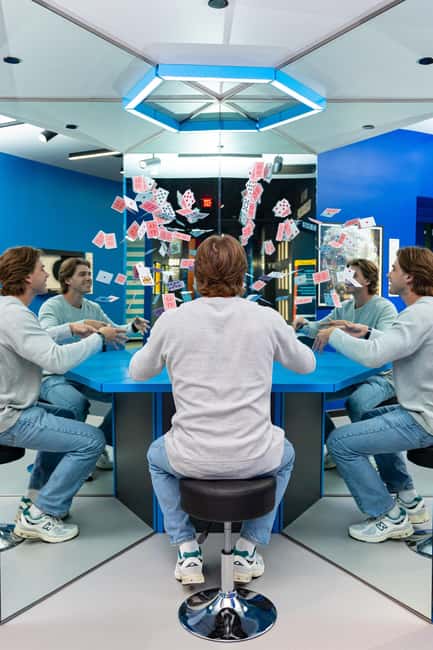
Your ticket is valid for one day, but that doesn’t mean you’ll be done in an hour. A museum of this style rewards patience. You’ll likely want time to retry effects, reposition for different angles, and enjoy the interactive nature without rushing.
Also, starting times can matter. The info here says you should check availability to see starting times. So when you book, treat your time slot as your anchor, then plan to stretch your day enough to enjoy the full set of 50+ exhibits at a comfortable pace.
A practical approach: plan a first pass that hits the highlights, then do a second pass only if something really clicked for you. That keeps the experience fun instead of checklist-driven.
You can also read our reviews of more museum experiences in Seattle





Value check: is a $41 ticket worth it?
At $41 per person, this isn’t a bargain-bus attraction. The value comes from two things: quantity and interaction.
You’re paying for 50+ hands-on exhibits, not a small gallery of one-off displays. That’s important, because optical illusion museums can vary widely. Here, the promise is a full day of active play through illusion rooms, holograms, and interactive installations. If you like interactive exhibits, the ticket tends to feel fair.
It’s also a solid value for groups because the experience is inherently shareable. People can crowd around without needing a tour guide to explain everything. The science angle is there, but the fun is immediate—you can enjoy it with friends, family, or a date without trying to decode complicated instructions.
My advice: if you’re someone who gets bored by repetitive indoor rooms, this might feel like too much if you only want a quick photo. But if you like to test your own perception and have a playful day, it’s a great spend.
Best for: families, friend groups, and date nights
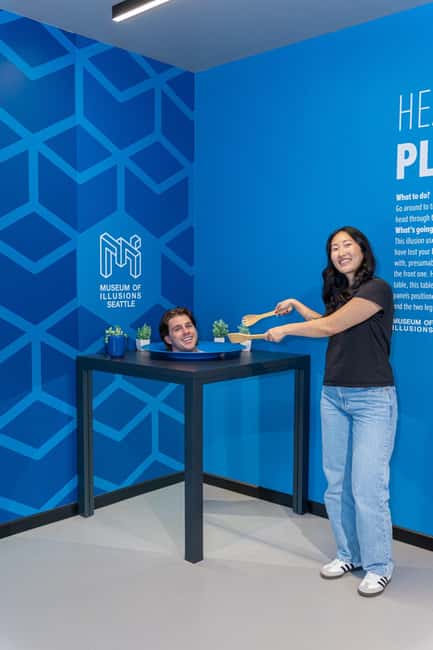
The museum is positioned as a group-friendly destination, and that matches how optical illusion experiences work. You don’t need specialized knowledge to have fun. You just need curiosity and a willingness to get a little silly.
For families: the mix of changing scale, gravity-style tricks, and room-scale visual effects is easy to engage with across ages. Kids typically enjoy the physicality and surprise factor, and adults usually enjoy the science explanation side even if they start out just “trying things.”
For friend groups: it’s built for reactions. The best moments aren’t quiet. They’re the ones where someone steps into position, the effect triggers, and the group immediately compares notes.
For date nights: you get low-pressure conversation and lots of shared “watch this” moments. It’s not a museum where you need to stand still for long stretches. You’re moving, trying, laughing, and taking a break from more serious sightseeing.
Practical tips for a smoother visit at 1330 5th Ave
A few small choices can make the difference between a rushed visit and a fun one.
First, plan where you’ll enter. Access is on the corner of 5th Ave and Union, so navigate to that side rather than guessing entrances mid-block.
Second, wear shoes you can move in. A lot of the value here comes from positioning—standing and stepping to see how the illusion changes. If you’re in uncomfortable footwear, you’ll cut your tries short.
Third, keep in mind no animals are allowed inside. If you’re traveling with a pet, you’ll need alternative arrangements.
Finally, treat this as a full-senses stop. Even if you’re there mainly for the photos, lean into the interaction. The museum’s promise is science behind optical illusions, and you’ll get more out of the visit when you pay attention to how the effect is engineered.
About the non-refundable ticket and planning risk
Because the ticket is non-refundable, don’t treat this as a last-minute throwaway plan. If your schedule is shaky, plan a day that’s realistic for your group.
The good news is the museum is downtown and easy to combine with other sights, so even if your day needs minor adjustments, the location helps you keep momentum. Just don’t plan it as a maybe, then assume you can swap dates later.
What the 4.3 rating suggests about the experience
The museum currently sits at an average rating of 4.3 based on 6 reviews. The standout theme in that score is simple: people tend to have fun. When you’re paying for a hands-on illusion experience, that “actually fun” factor is exactly what you want.
That doesn’t mean it’s perfect for everyone. Optical illusions are subjective by nature, and the experience is very dependent on how much you enjoy interacting versus observing. If you like play, movement, and visual puzzles, this is more likely to land well.
Should you book Museum of Illusions Seattle?
Book it if you want a day that’s different from the usual Seattle routine. This is a strong option for group outings, family trips, or date plans where you can move around, try effects, and share reactions. The combination of 50+ interactive exhibits, illusion rooms, and holograms gives you enough variety to avoid feeling stuck in one style of trick.
Skip (or reconsider) if you only want a quick walk-through, hate anything interactive, or you’re working with a schedule that might easily change. The non-refundable nature makes that planning risk more important.
If you’re the type who likes to test what you see, and you’re okay being just a bit confused in the best way, this is a smart, value-friendly ticket for downtown Seattle.
FAQ
Where is the Museum of Illusions Seattle?
The museum is at 1330 5th Ave, Seattle, WA 98101. Access is on the corner of 5th Ave and Union.
What is included with the ticket?
Your purchase includes an entry ticket to the Museum of Illusions Seattle.
How long can I use the entry ticket?
The ticket is valid for 1 day. You can check availability to see starting times.
Are there specific starting times?
Yes, you should check availability to see starting times for your day of entry.
Is the museum wheelchair accessible?
Yes, the museum is wheelchair accessible.
Can I bring animals into the museum?
No, animals are not allowed in the museum.
What types of exhibits are there?
You can expect illusion rooms, installations, and holograms, with examples like defying gravity effects, and exhibits that make your body look like it grows and shrinks.
How many exhibits are there?
There are 50+ interactive exhibits.
Is the ticket refundable if my plans change?
No. The activity is non-refundable.