REVIEW · SEATTLE
Escape Room Activity in Seattle
Book on Viator →Operated by 4 Dreams Escape · Bookable on Viator
Seattle’s best magic trick is teamwork. In one hour at 4 Dreams Escape, you jump through Four Dreams and work your way out of each world using puzzles, not muscle. It’s a fun twist on a classic escape room format, with story ideas that range from fantasy woods to time-travel style inventor setups.
I especially like the way the experience stays puzzle-forward. You’ll face multiple challenges across four rooms, and the flow is built for constant momentum rather than long stretches of doing nothing. I also like the small-group feel, with a maximum of 6 people, which usually means more interaction and less standing around waiting for the next clue.
One possible drawback to plan for: it’s non-refundable and can’t be changed, so you’ll want to book only when your schedule is firm. Also, because you’re moving room to room within about an hour, you’ll need to stay sharp and keep things moving as a team.
In This Review
- Quick Hits: What Makes This Escape Room Special
- Four Dreams, One Hour: How the Adventure Is Built
- The Four Rooms: Dream 1 Through Dream 4
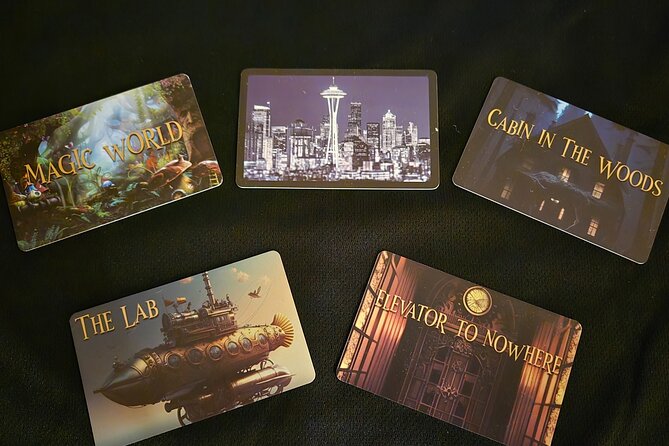
- Dream Room 1: The Magic Forest Fantasy
- Dream Room 2: The Cabin in the Woods Mystery
- Dream Room 3: The Inventor’s Lab Where Mechanics Meet Magic
- Dream Room 4: A Trapped-in-an-Elevator Dream in 18th-Century Style
- How the Puzzle Flow Works (And Why It Feels Fair)
- Price and Value: What $45 Gets You in Seattle
- Seattle Meeting Point: 2500 5th Ave and Getting There Smoothly
- Who Should Do This Escape Room Experience?
- Practical Tips to Solve Faster in Any Dream World
- Should You Book 4 Dreams Escape in Seattle?
- FAQ
- Where does the escape room start in Seattle?
- How long does the experience take?
- How much does it cost?
- Is the activity offered in English?
- Do I need a ticket on my phone?
- Is there a limit on group size, and what about cancellation?
- Are service animals allowed, and is it near public transportation?
- FAQ
- Where can I meet the group?
- How far in advance should I book?
- What language is used during the game?
- What’s the maximum number of people per session?
- Can most people participate?
- What happens after the one-hour session?
Quick Hits: What Makes This Escape Room Special
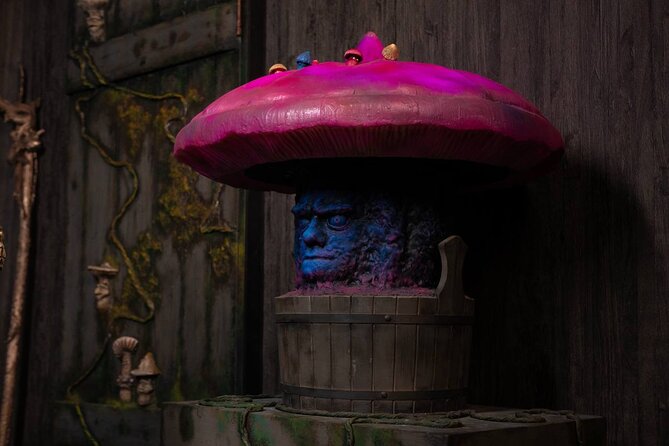
- Four dream worlds, one continuous adventure that keeps the story fresh as you switch rooms.
- Puzzle-heavy rooms with several puzzles per dream, so you’re never short on things to try.
- Small group size (up to 6), which helps the team stay engaged.
- English gameplay plus a mobile ticket for smoother check-in.
- Designed for teamwork, including people doing it as a shared activity for work or group bonding.
Four Dreams, One Hour: How the Adventure Is Built
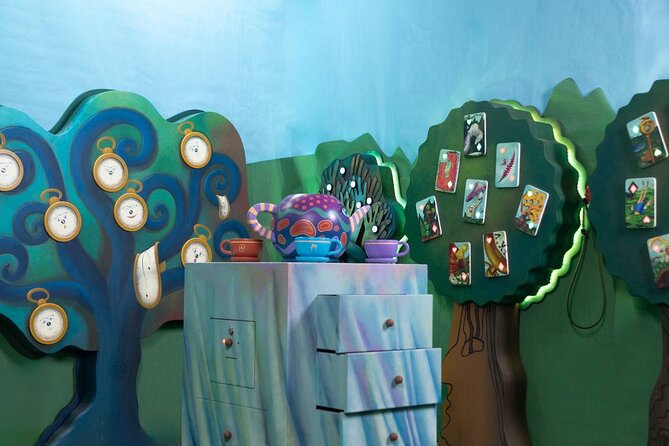
This is the kind of escape room that moves fast without feeling rushed. The promise is simple: one hour, four dream worlds, and enough puzzles to keep your brain busy from start to finish. Instead of one theme for the whole game, you get multiple environments, which helps if you like variety more than one long, single setting.
The format also matters for your enjoyment. When the experience is split across separate dreams, it’s easier to recover if you hit a tough moment in one section. You reset your thinking as you step into the next world, and the next room’s clues can bring new energy.
And yes, it’s playful. The theme leans into imagination—magic forests, inventor labs, and a classic trapped-in-something scenario—so it won’t feel like you’re solving puzzles inside a bland storage room. The goal is to make the problem-solving part feel like a story you can act in.
You can also read our reviews of more tours and experiences in Seattle.


The Four Rooms: Dream 1 Through Dream 4
Here’s what you can expect from each dream concept and why it’s fun, even if escape rooms aren’t your usual thing.
Dream Room 1: The Magic Forest Fantasy
You start with a fantasy dream that centers on a magic forest idea. In practice, this kind of theme usually means the puzzle design leans on visual clues, pattern thinking, and story-based logic rather than pure brute-force trial and error.
The appeal is clear: forests give you lots of natural places for clues—objects, symbols, and environmental hints. It also sets a tone that says this won’t be just one puzzle type repeated over and over.
Dream Room 2: The Cabin in the Woods Mystery
Next comes the mystery of the cabin in the woods. This shift is smart because cabins tend to support puzzles that feel more grounded and investigative. You’re still in story mode, but the clues often feel more like information gathering than magical tinkering.
If you like puzzles that reward careful observation, this is likely the room style that fits you best. The mystery vibe also encourages teamwork—one person might focus on details in the environment while another works the logic steps.
Dream Room 3: The Inventor’s Lab Where Mechanics Meet Magic
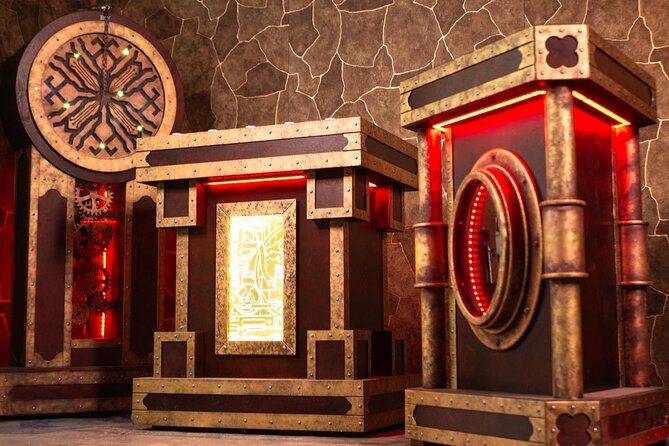
Then you time-travel (in theme) to an inventor’s lab where mechanics and magic collide. This is where you’ll likely see puzzle designs that mix physical, hands-on problem-solving with “wow, that’s clever” theme elements.
Why this works: inventor-lab concepts give the designers permission to use multiple puzzle styles in one room. That can make this dream feel like a turning point in the hour, especially if the earlier rooms leaned more fantasy or more mystery.



Dream Room 4: A Trapped-in-an-Elevator Dream in 18th-Century Style
Finally, you get the classic dream scenario: being trapped inside an elevator. The fact that it’s described as a gorgeous 18th-century elevator is key. The setting isn’t just “you’re trapped”; it’s trapped-in-a-specific-world, which typically means the puzzle objects and visuals match that vibe.
This ending theme is satisfying because elevator stories naturally create urgency. Even if the game remains puzzle-based, the concept helps you keep urgency without needing adrenaline.
How the Puzzle Flow Works (And Why It Feels Fair)
You’re not just walking into one puzzle and hoping for the best. The game is designed around multiple puzzles per room—think roughly a handful of challenges in each dream. That structure matters because it reduces the odds that one wrong path wipes out your whole hour.
A good escape room also has a pacing balance: enough time to think, but not so much waiting that your team loses momentum. With a one-hour total runtime and a small group size, you’ll feel the pressure in a helpful way. It pushes you to communicate, test ideas, and move on when something isn’t working.
A practical takeaway: if you’re the kind of person who freezes when you can’t solve something right away, this format still works because other puzzles can be tackled while one person takes a closer look at a stubborn clue. That’s teamwork in real time.
Price and Value: What $45 Gets You in Seattle
The price is $45.00 per person for about one hour. On its face, that’s not cheap. But it’s also not unusual for an escape room in a major city, where space, design, and staffing all cost real money.
What makes the value feel better here is the scope. You’re paying for a full multi-room narrative—four dream worlds in one session—and you’re not limited to a single theme. The experience also uses a mobile ticket, which is a small thing, but it removes friction.
Also, the booking pattern matters. This is commonly booked about 5 days in advance, which suggests slots can fill. If you show up late or wait too long, you may lose your preferred time. When demand is steady, booking earlier usually gives you more options, and that’s part of the real value.
Seattle Meeting Point: 2500 5th Ave and Getting There Smoothly
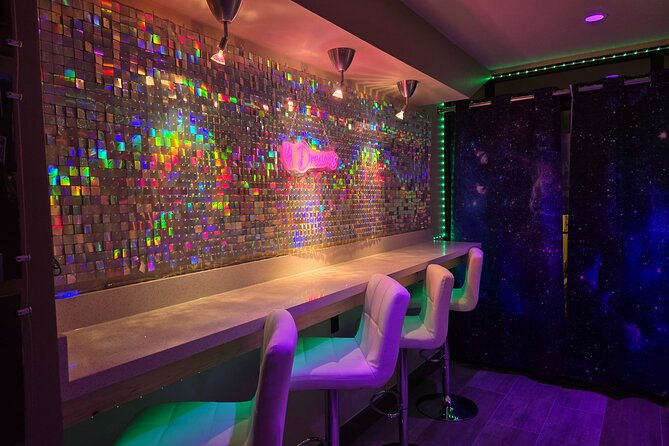
The start point is 2500 5th Ave, Seattle, WA 98121, USA, and the activity ends back at the meeting point. It’s a nice setup for planning because you’re not trying to coordinate a second pickup location after the game.
It’s also near public transportation, which helps if you’re sightseeing in central Seattle and don’t want to hunt for parking right before your hour starts. If you’re mapping out the rest of your day, this kind of easy access is a big plus.
One practical note: bring your phone for the mobile ticket. It keeps things simple at check-in and helps you avoid any last-minute scrambling.
Who Should Do This Escape Room Experience?
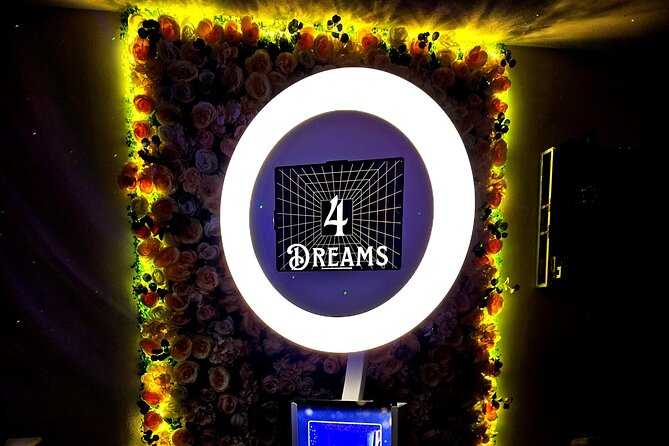
This one fits best if you like puzzles with a story. If you’re the type who enjoys solving with a group—splitting tasks, comparing notes, and laughing when something clicks—you’ll probably have a great time.
It also works well for mixed groups because the game format supports multiple ways to contribute. Some people focus on observation. Some people like logic. Some people stay calm and try options systematically. With a maximum group size of 6, you’re not stuck with a huge crowd where only a few people get involved.
If you’re coming with accessibility needs, you’ll want to know this: most people can participate, and service animals are allowed. If you have specific needs beyond that, it’s smart to check details when you book.
Practical Tips to Solve Faster in Any Dream World
You don’t need puzzle superpowers. You need a good team rhythm. Here are a few things I’d do to make sure the hour stays fun, not frustrating:
- Assign roles early: one person reads clues carefully, one tries combinations/logic, one tracks what’s been tried. Rotate if someone gets stuck.
- Treat every puzzle like a conversation: if a clue feels odd, say why out loud. That turns guessing into shared reasoning.
- Keep a quick pace: if an idea isn’t working after a few attempts, switch gears instead of burning time.
- Don’t silo the team: even if someone thinks they’ve solved something, call it out. Escape rooms are designed so clues connect; you’ll miss links if people work in isolation.
- Stay flexible with the theme: magic, labs, cabins, and elevators are just delivery systems. When you get stuck, focus on what the objects and symbols are asking you to do.
Should You Book 4 Dreams Escape in Seattle?
If you want an escape room that uses story variety—four distinct dream worlds—this is an easy choice. The up-to-6 group size and the roughly handful-of-puzzles-per-room structure help the experience feel active and fair, not dead-ended.
Book it if:
- you enjoy puzzle-solving with a team
- you like theme variety more than one single setting
- you want a compact Seattle activity that’s about one hour
Skip it if:
- your schedule is uncertain (it’s non-refundable and can’t be changed)
- you hate timed, multi-step puzzles and prefer slower, open-ended activities
FAQ
Where does the escape room start in Seattle?
The activity starts at 2500 5th Ave, Seattle, WA 98121, USA and ends back at the same meeting point.
How long does the experience take?
It lasts about 1 hour.
How much does it cost?
The price is $45.00 per person.
Is the activity offered in English?
Yes, it’s offered in English.
Do I need a ticket on my phone?
Yes. You receive a mobile ticket.
Is there a limit on group size, and what about cancellation?
There’s a maximum of 6 travelers. The experience is non-refundable and cannot be changed for any reason.
Are service animals allowed, and is it near public transportation?
Yes. Service animals are allowed, and the activity is near public transportation.
FAQ
Where can I meet the group?
You meet at 2500 5th Ave, Seattle, WA 98121, USA.
How far in advance should I book?
On average, it’s booked about 5 days in advance.
What language is used during the game?
The experience is conducted in English.
What’s the maximum number of people per session?
The group size is limited to a maximum of 6 travelers.
Can most people participate?
Yes, most travelers can participate.
What happens after the one-hour session?
It ends back at the meeting point.