REVIEW · SEATTLE
Viator Exclusive-Snoqualmie Tunnel MTN Bike Tour from Seattle
Book on Viator →Operated by Seattle Mountain Bike Tours · Bookable on Viator
Snoqualmie Tunnel is the kind of ride you remember. This Viator Exclusive tour pairs a shuttle from downtown Seattle with brand-new mountain bikes, then sends you into the 2.3-mile dark Snoqualmie Tunnel before a long, fast downhill on an old railroad corridor. I love how the day mixes big scenery with real, hands-on safety support.
Two things I really like: you get the full bike setup up front (helmet, gloves, and other protection) plus water and snacks, and you get proper bike lights for the pitch-black tunnel. The one thing to think about is that this is a downhill mountain bike ride with a moderate fitness level, and weather matters since the route needs good conditions.
In This Review
- Key Highlights You’ll Care About
- Why the Snoqualmie Tunnel Downhill Feels Different From Other Seattle Tours
- The Shuttle From Downtown Seattle to Snoqualmie Pass (12:30 Start)
- Bike Setup and Safety Gear: What You Get Before You Roll
- Entering the Pitch-Black Snoqualmie Tunnel With Bike Lights
- The 20-Mile Downhill: Trestle Bridges, Waterfalls, and Mountain Views
- Guides, Vibe, and Small-Group Riding: Getting the Most Out of the Day
- Price and Value: Is $269 Worth It for This Snoqualmie Ride?
- Weather, the 4-Person Minimum, and Planning Your Afternoon
- Should You Book the Viator Exclusive Snoqualmie Tunnel MTB Tour?
- FAQ
- What is the duration of the Viator Exclusive Snoqualmie Tunnel MTB Tour?
- Where does pickup happen for this tour?
- What time does the tour start?
- What’s included in the tour price?
- Is there a minimum number of riders required?
- How many people can be on the tour?
- Will I have protection and safety gear?
- Is the Snoqualmie Tunnel ride done with lights?
- What happens if the weather is bad?
Key Highlights You’ll Care About
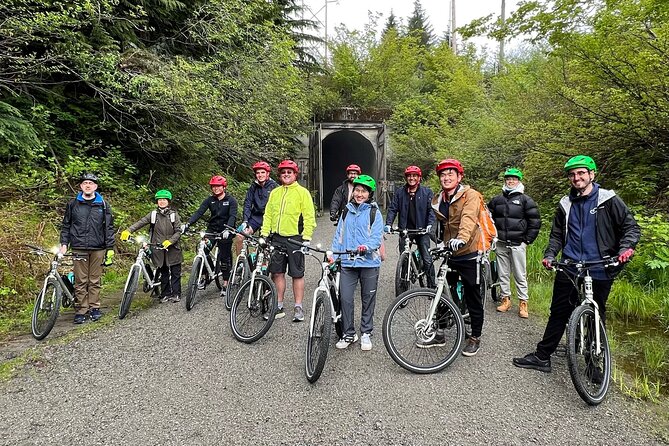
- 2.3-mile Snoqualmie Tunnel ride with bike lights provided
- Downhill-only flow on a long, scenic old railroad line (about 20 miles)
- Small groups with a maximum of 9 riders, plus a required 4-person minimum to run
- All the basics included: bike, helmet, gloves, and protective gear
- Real local guiding with host DJ mentioned as a strong part of the experience
Why the Snoqualmie Tunnel Downhill Feels Different From Other Seattle Tours
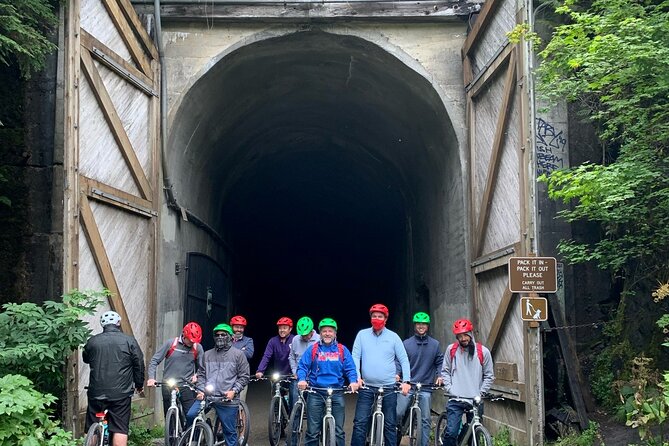
Seattle has no shortage of outdoor day trips, but this one is built around a very specific thrill: going through a tunnel that’s pitch-black. That matters because it changes how you experience the landscape. You’re not just passing waterfalls and viewpoints. You’re also riding through darkness with bike lights, which gives the day a pulse right away.
I also like that the route is a true downhill mountain bike experience. You’re not spending the day grinding uphill or waiting in long lines. The pace is about momentum: you start with that tunnel moment, then roll into trestle bridges, forest sections, and open mountain views as the ground carries you.
There’s also a human side. The tour runs with a local guide who keeps things moving and focused on safety. If you happen to get DJ, the vibe is often described as fun and outdoors-first, which is exactly what you want in a place where the rules of riding matter.
You can also read our reviews of more cycling tours in Seattle
The Shuttle From Downtown Seattle to Snoqualmie Pass (12:30 Start)
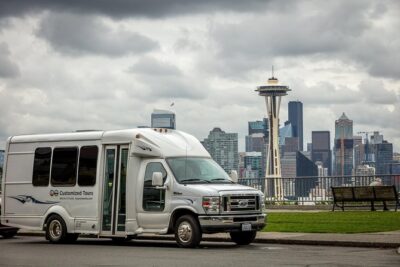
Most people underestimate how much they want the ride there handled for them. This tour starts at 12:30 pm and includes pickup in downtown Seattle where the operator can reach your hotel or Airbnb. If you’re outside their legal pickup zone, the fallback meeting point is the Sheraton Grand at 1400 6th Ave.
Why I think this is valuable: Snoqualmie Pass is far enough that trying to DIY it can turn into a half-day logistics project. With the shuttle, you can focus on getting ready, eating something simple before you go, and arriving at the trailhead without the stress of parking, transfers, and timing.
Two practical notes to plan around:
- The tour length is about 5 hours, so you’ll want your afternoon clear.
- Pickup timing gets confirmed by the company at least 24 hours prior, so keep an eye on email/text in the day before your departure.
If you’re staying near Issaquah, there’s also pickup for specific local hotels, which makes it easier for people not anchored downtown.
Bike Setup and Safety Gear: What You Get Before You Roll
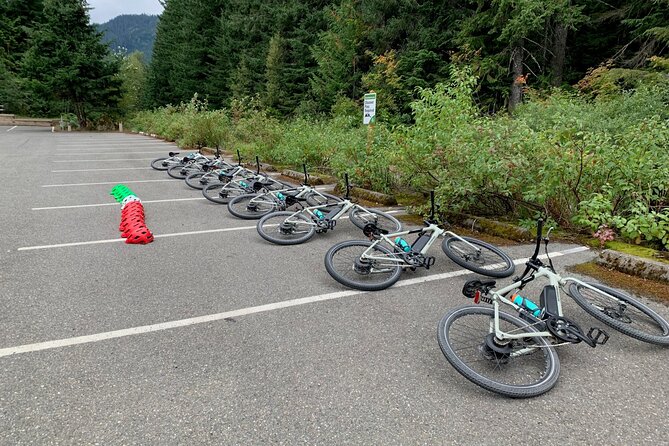
At the trailhead, the crew fits you to a top-quality mountain bike and provides key safety gear. Included items are helmet and gloves, plus other protective gear appropriate for the ride. You also get bottled water and snacks, which is more important than it sounds for a tunnel-and-downhill day. Once you’re rolling, you won’t want to stop to hunt for food.
This is one of the best parts of the format: you get equipped on-site, in person. If your body is used to walking and not to bike geometry, this help matters. A bike that’s set well can make the whole ride feel less tense, and a helmet that fits correctly helps you stay confident once you’re in the dark.
Moderate fitness is listed as the expectation. Translation: you should be comfortable riding a bike and handling basic downhill technique, but you’re not being asked to train for a full-on endurance race. Still, it’s smart to treat this as an active outing, not a casual stroll through nature.
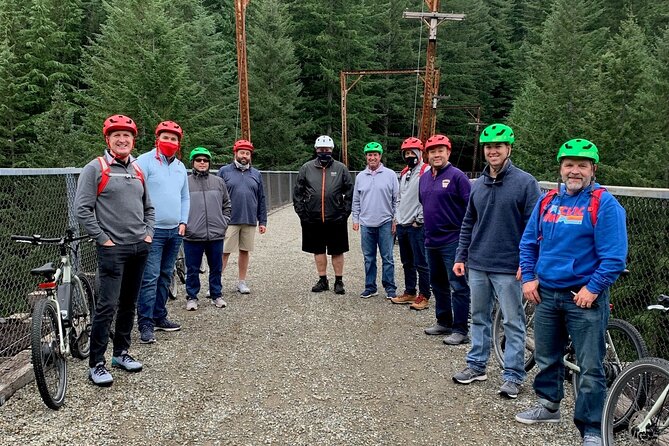
Also, the tour group is small enough to feel personal, with a maximum of 9 travelers. That usually means the guide can keep an eye on everyone’s spacing and comfort.
Entering the Pitch-Black Snoqualmie Tunnel With Bike Lights
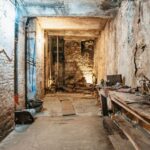
The star moment is the 2.3-mile Snoqualmie Tunnel. It’s described as pitch-black, so you should expect darkness to be part of the experience, not a surprise. The good news: bike lights are provided, and the guides lead you through, which helps take the guesswork out of how to ride in low visibility.
What I like about this segment is that it’s not just a gimmick. Being in a dark tunnel on a moving bike forces you to focus: hands steady, eyes forward, and attention on the guide’s pace. It’s a controlled kind of adventure.
A couple things to think through before you go:
- If enclosed spaces make you uneasy, this is the moment to consider that. The tunnel is a real tunnel ride, not a quick pass-through.
- Keep your expectations clear: it’s exciting, but your job is to ride smoothly and follow the group rhythm, not to freestyle.
This segment also acts like a natural reset. Once you exit, you usually feel that jolt of daylight and open air, and the rest of the downhill feels like payoff.
The 20-Mile Downhill: Trestle Bridges, Waterfalls, and Mountain Views
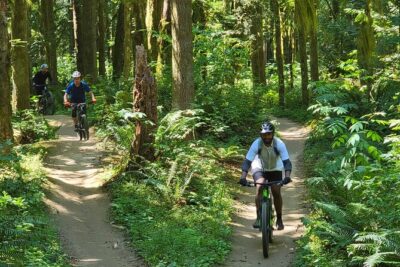
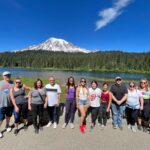
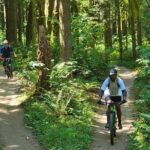
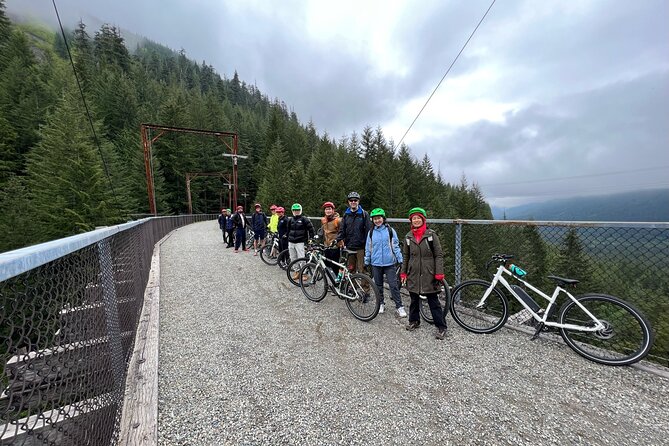
After the tunnel, the ride becomes a longer downhill run of about 20 miles. This is where the scenery stacks up fast: the route includes giant trestle bridges, waterfalls, and mountain views.
The old railroad setting is a big part of the appeal. Railroad corridors are designed for flow—long grades, wide paths, and sweeping lines through terrain. On a bike, that becomes momentum, and momentum is what makes downhill riding feel fun instead of tiring.
Why this part is worth your time:
- Trestle bridges are built to show off height and perspective. Even if you’ve seen bridges before, riding near them gives a different sense of scale.
- Waterfalls add constant movement in the landscape. You’re not just stopping for photos; you’re riding past sound and mist in real time.
- Mountain vistas give you breaks from tree cover, so your eyes can relax after the tunnel.
Because it’s downhill, you’ll likely feel the ride in your lower body more than your cardio. Still, you should be ready to control your speed, keep safe spacing, and stay alert at the bridges and through wooded stretches where the light changes.
One more value point: a guide who knows the route helps you read what’s coming—where the terrain shifts, where you should focus, and how to keep the ride smooth for the whole group.

Guides, Vibe, and Small-Group Riding: Getting the Most Out of the Day
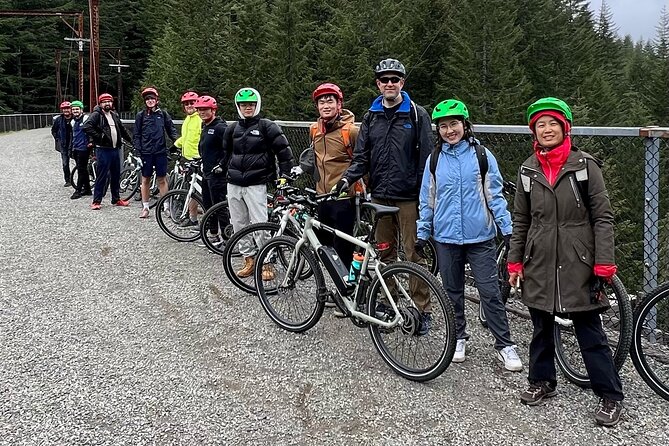
This is a guided tour, and that matters more than people think for mountain biking. A good guide doesn’t just lead; they set the tone: safety first, but also happy energy.
One review highlights host DJ as excellent—passionate about the outdoors and mountain biking, and good at making the day a blast. Even if you don’t know the names ahead of time, you can still expect the role to be consistent: fit bikes properly, provide gear, and guide you through a tunnel-plus-downhill route where spacing and pacing matter.
The small group size is also part of the comfort. With a maximum of 9, you’re not stuck in a massive pack. It’s easier for the guide to notice who’s tense, who needs a slower rhythm, and who’s ready to roll with more confidence.
Another detail I appreciate: the tour includes water and snacks, and that reduces the chance you’ll feel distracted or drained mid-ride. For a 5-hour outing, small comfort wins matter.
Price and Value: Is $269 Worth It for This Snoqualmie Ride?
At $269 per person, this isn’t a cheap activity. So here’s how I’d judge value: you’re paying for (1) transportation from downtown Seattle, (2) a provided mountain bike with protective gear, (3) a guide for a technical ride through a dark tunnel, and (4) the use of the route itself.
If you try to piece it together on your own, the costs add up fast:
- getting transportation up to Snoqualmie Pass,
- renting a bike and protective gear,
- figuring out bike lights for a pitch-black tunnel segment,
- and paying someone to lead and manage safety.
This tour bundles those needs. You also have the time advantage. The tour is about 5 hours, and you get a structured experience rather than a long day of planning and troubleshooting.
It’s best value if you want the experience without the hassle. If you already have a bike, lights, and local know-how, you might compare prices. But if you’re visiting Seattle and want a day that feels like a real outing, not a DIY project, $269 can make sense.
Weather, the 4-Person Minimum, and Planning Your Afternoon
This experience requires good weather. That’s common for outdoor biking, but it changes how you plan the rest of your day. If conditions aren’t right, the tour can be canceled, and you’ll be offered a different date or a full refund.
There’s also a minimum group requirement: the tour has a 4 person minimum to run. If your date doesn’t reach that, the operator will reach out and try to accommodate you with another option. In practice, this means you should book with enough flexibility to accept a schedule change.
The tour also runs in English and uses a mobile ticket. It’s near public transportation, which helps if you want to coordinate around pickup areas, but the easiest setup is still pickup at your downtown lodging or at the default Sheraton Grand point.
For timing, you’re typically out for about 5 hours starting at 12:30 pm, so avoid booking a tight dinner plan that depends on you returning early.
Should You Book the Viator Exclusive Snoqualmie Tunnel MTB Tour?
Book it if you want:
- a real downhill mountain bike ride that’s guided and gear-supported
- the unique experience of riding through the 2.3-mile Snoqualmie Tunnel with lights provided
- a structured day that takes you out of Seattle without transportation headaches
Skip it or rethink it if:
- you’re uncomfortable riding in enclosed, pitch-black spaces
- you want a super relaxed, low-effort activity (this is listed with a moderate physical fitness level)
- your schedule is tight and you can’t handle possible weather-related changes
If your goal is an outdoors day with a strong “wow” moment plus long scenic payoff, this is a smart choice. Just be honest about your comfort with the tunnel and your ability to ride downhill safely, and you’ll set yourself up for a great afternoon in the Cascades.
FAQ
What is the duration of the Viator Exclusive Snoqualmie Tunnel MTB Tour?
It runs for about 5 hours.
Where does pickup happen for this tour?
Pickup is offered in downtown Seattle, including many hotels and AirBnB stays. If you’re outside their pickup zone, the default meeting point is the Sheraton Grand at 1400 6th Ave.
What time does the tour start?
The start time is 12:30 pm.
What’s included in the tour price?
The price includes a mountain bike, bottled water, snacks, and a personal local guide.
Is there a minimum number of riders required?
Yes. There is a 4-person minimum. If that minimum isn’t met, the tour may be canceled and you’ll be offered a different date or a full refund.
How many people can be on the tour?
The maximum group size is 9 travelers.
Will I have protection and safety gear?
Yes. You’ll be fitted with a helmet, gloves, and other protective gear suitable for your safety and comfort.
Is the Snoqualmie Tunnel ride done with lights?
Yes. Bike lights are provided for the pitch-black tunnel segment.
What happens if the weather is bad?
The tour requires good weather. If it’s canceled due to poor weather, you’ll be offered a different date or a full refund.