REVIEW · SEATTLE
Kooza by Cirque du Soleil: Under the Big Top in Seattle, WA
Book on Viator →Operated by Cirque du Soleil America Inc. · Bookable on Viator
The big top always changes the mood. Kooza is a kid-friendly Cirque touring show set at Marymoor Park in Seattle, blending high-flying acrobatics with clown-style humor and foot-tapping music. I like the way the show plays with big emotions like fear and recognition, without getting dark or heavy. I also like how the clown characters keep things light and funny, even when the story turns intense. One practical heads-up: the on-site facilities are outdoor, so you’ll want to plan for Seattle weather.
You’re looking at a 2 hours 5 minutes performance, and it’s the kind of show that works for first-timers. The biggest value is the mix: strength and fragility, laughter and tension, all wrapped in a visually loud, theatrical world that keeps kids and adults paying attention. Just go in with your eyes open about logistics like tight seating and the walk from parking to the tent.
In This Review
- Key things to know before you go
- Inside the Big Top at Marymoor Park
- The Story Behind Kooza: Fear, Identity, Recognition, Power
- What the Performers Give You: Acrobatics Meets Clown Comedy
- Timing the Evening: Arrival, Entry, and How Early to Go
- Seating, Stairs, and Getting Around
- Intermission Reality Check: Outdoor Porta Potties in Seattle Rain
- Price and Value for an $850 Ticket
- Who Should Book This Cirque Show (and Who Might Want to Skip It)
- Should You Book Kooza by Cirque du Soleil in Seattle?
- FAQ
- How long is Kooza in Seattle?
- Where does Kooza take place?
- What’s included with the ticket price?
- Are food and beverages included?
- What type of ticket do I get?
- Is hotel pickup or drop-off included?
- Is there parking, and what should I expect it to cost?
- Are restrooms covered?
- Can I cancel or change my booking?
Key things to know before you go

- Marymoor Park setting: you’ll see Kooza staged outdoors at a big top setup in Seattle
- A story with emotional themes: fear, identity, recognition, and power are built into the action
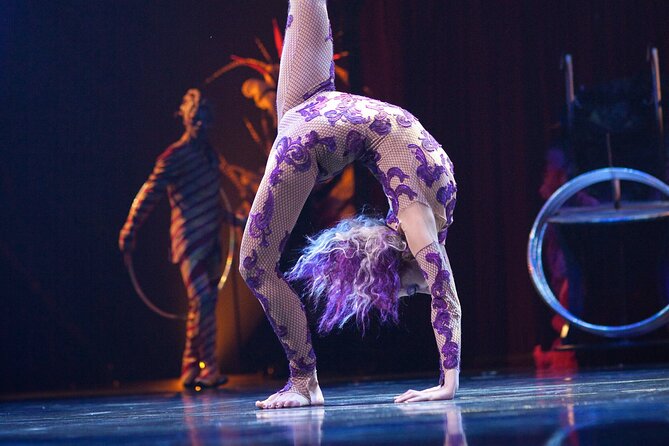
- Clowning meets acrobatics: expect clown-style performance alongside serious athletic skill
- Mobile ticket entry: plan to have your ticket ready on your phone
- Seattle weather matters: restrooms are outdoor and not rain-covered
- Parking has a separate cost: it’s not something to assume is included
Inside the Big Top at Marymoor Park
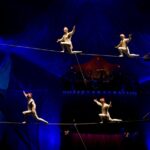
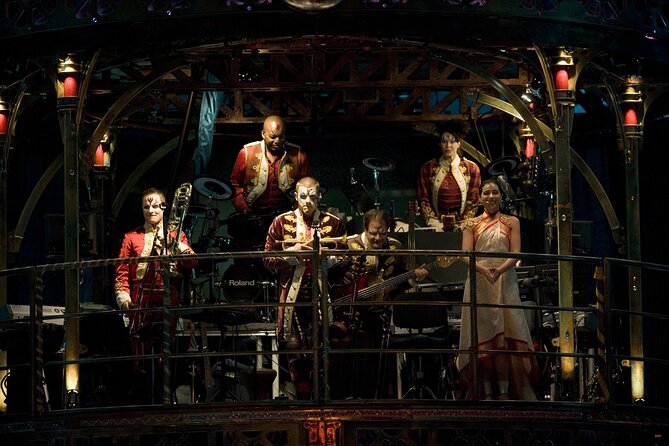
Kooza comes to Seattle as a touring Cirque show, staged under a big top at Marymoor Park. That matters, because an outdoor big top changes how the evening feels. You don’t just sit in a theater and watch. You’re in an environment built for performance: sounds carry, the crowd energy builds, and the visual spectacle lands in a more immediate way than most indoor shows.
This setup also makes the show easy to “fit into a day.” You’re not planning around hotel shuttles or complicated add-ons—hotel pickup and drop-off aren’t included, so you’re free to arrive on your own schedule. The trade-off is that you’ll own the timing. If you roll in late, you’ll miss the rhythm before the story locks in.
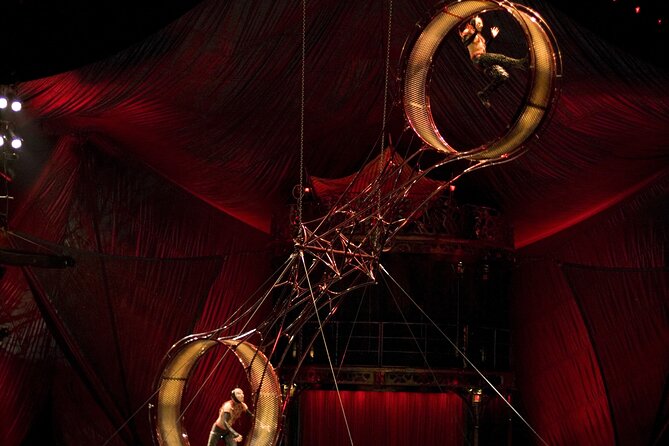
The event runs a little over two hours (about 2 hours 5 minutes). That’s a comfortable length for families who want a real show, not a long endurance test. It’s also long enough for the performers to cycle through different styles—physical feats, clown comedy, and moments that feel like they’re testing the limits of balance, bravery, and confidence.
You can also read our reviews of more tours and experiences in Seattle.


The Story Behind Kooza: Fear, Identity, Recognition, Power

Kooza isn’t just a string of tricks. The show uses a storyline to tie everything together, and you’ll feel that theme shift as the performance goes on. It’s built around an Innocent’s journey—someone who’s trying to understand the world and where they fit. Along the way, they run into comic characters from an electrifying, exotic world full of surprises and tension.
The show’s central emotions are pretty clear: fear and identity, plus recognition and power. That doesn’t mean it’s heavy in a melodrama way. It means the clowning and the acrobatics are used to show how people react when they’re unsure, when they want approval, and when they face something bigger than they expected.
If you’re bringing kids, this matters because the themes are presented through visual storytelling. There’s humor, there’s exaggeration, and the characters give you emotional signposts. Adults usually catch the “why” behind the spectacle: the show is basically asking what happens when you’re strong but also fragile, when you want harmony but still experience turmoil.
It’s also a good pick for first-time Cirque watchers because it gives you structure. You don’t need to know the Cirque world to follow what’s happening. The story engine is right there in the performance choices.
What the Performers Give You: Acrobatics Meets Clown Comedy
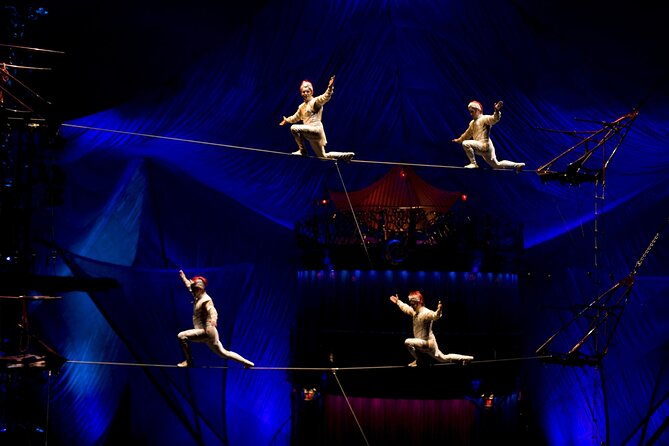
This is where Kooza earns its reputation. The show blends acrobatic performance and the art of clowning, which is not always an easy combo in kid-friendly shows. Here, the performers treat comedy like a craft, not just a break between stunts.
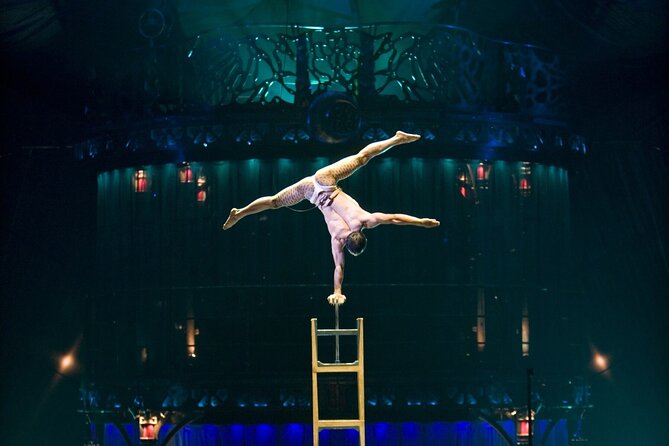
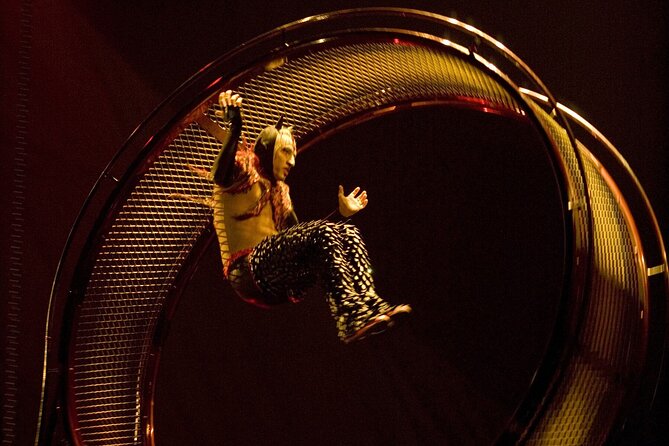
You should expect a constant push-pull between precision and play. The acrobatics bring the thrills and the technical “wow.” The clown characters bring the laugh, the awkwardness, and the kind of playful chaos that feels safe and fun rather than mean-spirited. The show also leans into contrasts—strength and fragility, chills and smiles, turmoil and harmony—so the pace stays interesting even when you think you’ve figured out the pattern.
There’s also a note in the way the show describes its world: electrifying, exotic, full of surprises and audacity. That translates on your side of the ropes into a performance that doesn’t sit still. You’ll see visual changes and character shifts that keep you reorienting your attention.
As a practical matter, this kind of show tends to reward sitting back and letting the spectacle land. If you’re focused on counting stunts or timing every beat, you might miss the bigger emotional arc. Best strategy: watch the character interactions as much as the acrobatics.
Timing the Evening: Arrival, Entry, and How Early to Go
Your tickets are a mobile ticket, and that’s the first logistics detail that can trip people up. Before you leave, make sure your phone battery is topped up and that you can access your ticket without an internet scramble. If your phone is notorious for dying in the cold, bring a charger or a power bank.
Because the event is in a big top in an outdoor park setting, arrival time matters more than you might expect. The show duration is about 2 hours 5 minutes, and the best experience usually comes when you’re seated before the show really starts building momentum. If you arrive right as the performance begins, you’ll likely spend time dealing with stairs, pathways, and locating your seats instead of settling in.
One more timing note: the show has an intermission (implied by the restroom situation and crowd flow). Seattle weather can turn intermission into a logistical challenge if you wait too long. I’ll get into that more in the next section, but the takeaway is simple: use intermission strategically, not reactively.
Seating, Stairs, and Getting Around
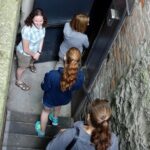
This is a show inside a big top, and that affects seating. One practical drawback that’s worth believing: seats can feel squished together, and the stairs getting in can be a factor. If you’re tall, broad-shouldered, or someone who prefers not to do tight navigation in a hurry, you’ll want to think ahead.
The walk from parking to the tent also matters. If you have limited mobility, you might find the route from where you park to where you enter to be less convenient than you’d expect in a standard arena setup. Since hotel pickup and drop-off aren’t included, you’ll also be doing more of the “getting yourself there” work.
So my advice is plain: plan for movement. Bring a layer you can manage without turning it into a circus. Wear shoes you can walk in on uneven ground. And if you need extra space, consider arriving early so you can locate your seats without feeling rushed.
Also, keep the mood in mind. Cirque shows are theatrical, not ergonomic. You’re paying for the performance, but you’re also sacrificing a bit of comfort compared with a typical indoor theater.



Intermission Reality Check: Outdoor Porta Potties in Seattle Rain
Seattle can be wet any month, and Kooza takes place in an outdoor big top setup. The biggest restroom-related issue is very specific: restrooms are outdoor porta potties and not covered. That means no rain shelter if you need to use them during intermission.
During the cold rain, that turns into long lines—because everyone realizes at once that they waited too long. The best fix is behavioral. Don’t treat the restroom like a last-minute necessity. If you’re going with kids, plan bathroom timing before you settle into the performance, and then go early during intermission rather than hunting for the shortest line at the peak moment.
Bring what you’d normally bring for wet Seattle weather: a light rain layer you can move in, and something to keep hands dry if you’re managing a phone or ticket. If you hate cold, treat this as a key planning point, not an afterthought.
Price and Value for an $850 Ticket
The listed price for Kooza is $850. That’s not a small number, so the real question is value: what you’re getting for the money and what you might still have to cover.
Here’s what’s clearly included: show tickets and all taxes, fees, and handling charges. That’s a real win, because you avoid surprise add-ons at checkout. You’re also getting a professionally staged Cirque performance with a known brand and a full show length that justifies committing an evening.
What’s not included: food and beverages, and hotel pickup/drop-off. That’s standard for many big entertainment events, but it matters because you’ll likely spend something on snacks or drinks either before you arrive or during intermission. If you have kids, plan ahead so the show stays enjoyable and not stress-heavy.
Parking is another cost factor that can sneak up. One experience note you should take seriously: parking can cost $25, and it may not be clearly communicated until you’re already in the flow. That doesn’t just add money; it changes your arrival pacing. If parking isn’t what you expected, it can push your entry time later.
So is it worth it? If you want a high-quality family show that mixes comedy and athletic performance in a single ticketed event, it can be. If you’re cost-sensitive or you strongly prefer comfortable seating and fully covered amenities, you may feel the friction more than the wow factor.
Who Should Book This Cirque Show (and Who Might Want to Skip It)
Kooza fits best if you:
- want a kid-friendly show with big physical action and silly, character-driven humor
- are curious about Cirque du Soleil but don’t want a niche, abstract experience
- like performances that mix emotional storytelling with spectacle
- can handle outdoor logistics like walking and weather during intermission
It may be less ideal if you:
- need fully covered, convenient bathroom access during rain
- get uncomfortable in tighter seating and stairs
- strongly prefer clear parking costs being communicated upfront
This is still a family show, but it’s not a “sit back, do nothing, zero planning” kind of outing. The performance delivers. The rest of the experience asks you to show up prepared.
Should You Book Kooza by Cirque du Soleil in Seattle?
If you’re choosing between this and a typical family event, I’d lean toward booking Kooza if your priority is performance quality and memorable, character-led fun. The big reasons: the show’s combination of clowning plus acrobatics, and the way the story centers themes like fear, identity, recognition, and power. That gives it more going on than a simple stunt parade.
Just don’t ignore the practical notes. Plan for outdoor porta potties without rain cover, think ahead about tight seating, and treat parking as a likely extra cost. If you can handle those, you’re set up for a genuinely enjoyable evening.
FAQ
How long is Kooza in Seattle?
The performance duration is approximately 2 hours 5 minutes.
Where does Kooza take place?
The show is staged at a big top in Seattle, with the listed stop at Marymoor Park.
What’s included with the ticket price?
Your purchase includes show tickets, plus all taxes, fees, and handling charges.
Are food and beverages included?
No. Food and beverages are not included.
What type of ticket do I get?
You receive a mobile ticket.
Is hotel pickup or drop-off included?
No. Hotel pickup and drop-off are not included.
Is there parking, and what should I expect it to cost?
Parking is reported as $25.
Are restrooms covered?
Restrooms are outdoor porta potties and are not covered.
Can I cancel or change my booking?
The experience is non-refundable and cannot be changed for any reason. If you cancel or ask for an amendment, the amount paid is not refunded.