REVIEW · SEATTLE
Seattle Waterfront History Walking Tour
Book on Viator →Operated by Seattle Community Tours with GFT · Bookable on Viator
Seattle’s waterfront changes fast. This walk slows it down and makes it make sense, with Waterfront Park stories you’d miss on your own. You get a lively, narrated stroll that links today’s paths and public art with the people and decisions that shaped this shore.
I love the way the guide points you to Overlook Walk views and the newly reimagined park details, so you’re not just sightseeing. I also like the old-photo style storytelling—especially the parts that connect the shoreline to an indigenous understanding of place and community.
One thing to consider: you should bring comfortable shoes, because the route includes a hill climb walkway and it’s weather-dependent. If the day turns grey or rainy, the tour may be rescheduled or refunded.
In This Review
- Key Things to Know Before You Go
- Waterfront Park Gets a Guide, Not a Lecture
- The route is short enough to fit your day
- Start at Victor Steinbrueck Park, Finish Near Pioneer Square
- A small group keeps the pacing friendly
- Stop Focus: Waterfront Park and the Overlook Walk Views
- You’ll notice details you’d normally skip
- The Hill-Climb Walkway Toward the Aquarium Area
- Passing by the aquarium area without needing a ticket
- Indigenous Connection to the Land: A Different Kind of Waterfront Story
- Why this matters for your first visit
- Price and Value: Is $50 Worth 90 Minutes?
- Who will feel the value most
- Timing, Weather, and Walking Comfort
- Plan for moderate walking
- How to Pair It With the Rest of Your Seattle Day
- Who Should Book This Waterfront History Walking Tour?
- Who might want to skip or swap
- Should You Book This Tour?
- FAQ
- How long is the Seattle Waterfront History Walking Tour?
- Where does the tour start and end?
- How much does the tour cost?
- Is the tour offered in English?
- What size group is this tour limited to?
- Do I get a mobile ticket?
- Are service animals allowed, and is it near public transportation?
- What happens if the weather is bad or if I cancel?
Key Things to Know Before You Go

- Small group (max 15): easier questions, less crowding around viewpoints
- Overlook Walk and hill-climb route: plan for some stairs and uphill steps
- Old photos matched to what you see today: fast way to understand what changed
- Indigenous connection to the land: guide-led context for places you might otherwise pass
- Start near Pike Place Market, end near Pioneer Square/ferry area: easy to keep exploring after
- Mobile ticket: less fuss, quick entry for a 90-minute outing
Waterfront Park Gets a Guide, Not a Lecture
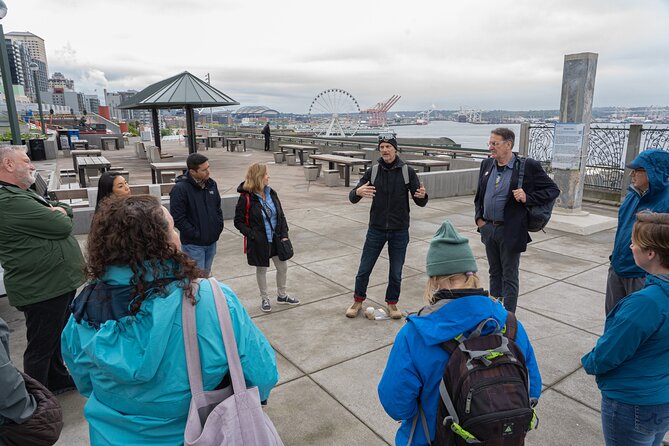
The Seattle Waterfront has always been a magnet—views, boats, walks, and people trying to catch a break from the city’s nonstop motion. The difference here is that you’re not wandering aimlessly. You’re walking with a plan and a narrator who ties the built environment to human stories.
I love tours that help you read the city like a page. This one does that by combining what’s new in the park with what used to be there. You’ll stand in front of modern pathways and then get shown old photos that explain what you’re looking at now, and why it changed. It turns a casual stroll into something you can actually remember.
The guide approach is also practical. You’re not trapped in one spot waiting for a long talk. Instead, you move along public art, parks, and pathways—so each minute has a view, a reason to stop, and a new piece of the puzzle.
You can also read our reviews of more walking tours in Seattle



The route is short enough to fit your day
This is roughly 1 hour 30 minutes. That timing is great if you’re doing Pike Place Market in the morning or planning to hit Pioneer Square later. You get a structured introduction without eating your whole afternoon.
Start at Victor Steinbrueck Park, Finish Near Pioneer Square
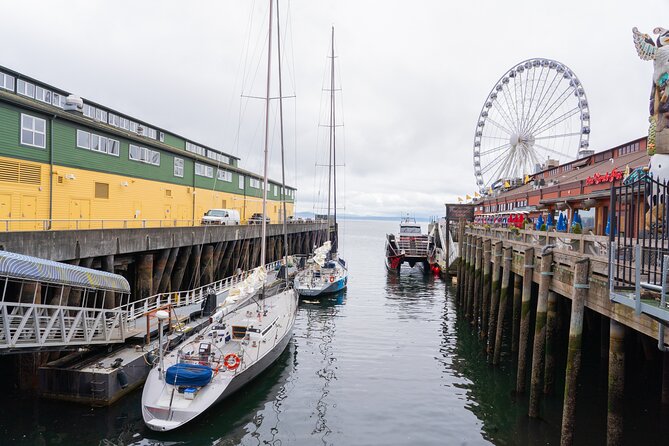
The tour starts at Victor Steinbrueck Park, 1999 Western Ave, Seattle, and it runs from there down toward the downtown waterfront area. The official start time is 10:00 am, so you’ll want to arrive a few minutes early, especially if you’re also juggling parking or catching a bus.
You end at Pioneer Square, near 100 Yesler Wy. That ending matters. Pioneer Square has its own vibe—brick streets, galleries, restaurants—so you can keep going right after the walk without a big transfer plan.
And if you want to return to your original area, there’s a free Waterfront shuttle option back near where you started (around the Pike Place Market area). That’s handy if you’re pairing this with other waterfront stops and don’t feel like doing the route twice on foot.
A small group keeps the pacing friendly
The tour caps out at 15 travelers. In practice, that usually means you can hear the guide without constantly craning your neck and you can ask quick questions. It also helps the walk feel more like a conversation than a tour bus in sneaker form.
Stop Focus: Waterfront Park and the Overlook Walk Views
The core of this experience is the newly reimagined Seattle Waterfront Park. You’ll explore it through public art, parks, and pathways, including the scenic Overlook Walk. This is where the tour earns its keep—because you’re learning to look at what the park is doing right now.
One of my favorite parts is the contrast between perspective points. Overlook Walk-style stretches are designed for looking out and taking in the water, but they also shape how you move through the space. The guide helps you understand why those vantage points matter and what they reveal. You get the view, plus the context.
Then comes the smart storytelling method: the tour matches what you see today to old photos showing what was there before. That combo is especially useful because it keeps the history grounded in real landmarks. Instead of vague description, you see the change right where it happened.
You can also read our reviews of more historical tours in Seattle





You’ll notice details you’d normally skip
A guided walk is great, but only if it makes you pay attention. Here, the guide draws your eye to areas you might otherwise walk past, like specific spots along the pathways and park features that don’t scream for attention at first glance.
In the same walk, you can see how the park uses planters and landscaping elements—yes, you’re looking at the greenery too. The idea isn’t just beauty; it’s how the public space is being shaped for people now, and what that implies about the waterfront’s future.
The Hill-Climb Walkway Toward the Aquarium Area
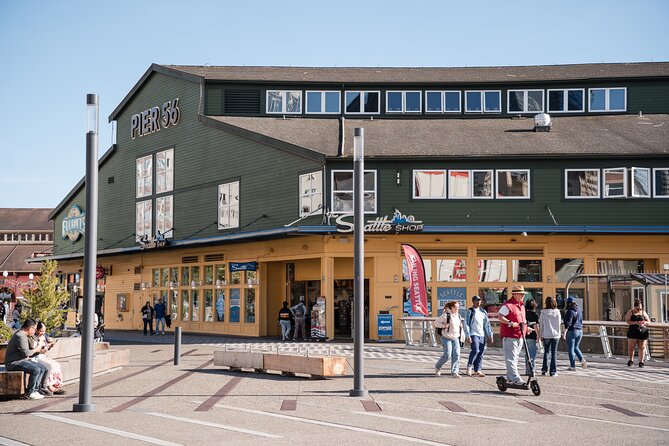
The tour also takes you along a newer hill climb walkway down toward the area near the Seattle Aquarium Ocean Pavilion. This is a practical stop in the route, because it changes your angle on the waterfront and helps you understand the geography of the downtown shore.
That hill climb is also your heads-up for shoes. Even if you’re used to walking cities, there’s a difference between flat strolling and a route with elevation changes. If you’re traveling with any mobility limitations, you’ll want to plan accordingly and pace yourself.
Still, the payoff is worth it. When you’re moving along a slope, your view gradually opens up, and the guide can time the story beats to match what you’re seeing. It feels like the waterfront unfolding in stages rather than a single straight-line walk.
Passing by the aquarium area without needing a ticket
Even though the tour doesn’t rely on you entering anywhere, passing by the Seattle Aquarium Ocean Pavilion zone helps anchor your sense of where you are. It gives you a clear mental map of the waterfront corridor—useful when you’re trying to decide what to do after the tour ends.
Indigenous Connection to the Land: A Different Kind of Waterfront Story
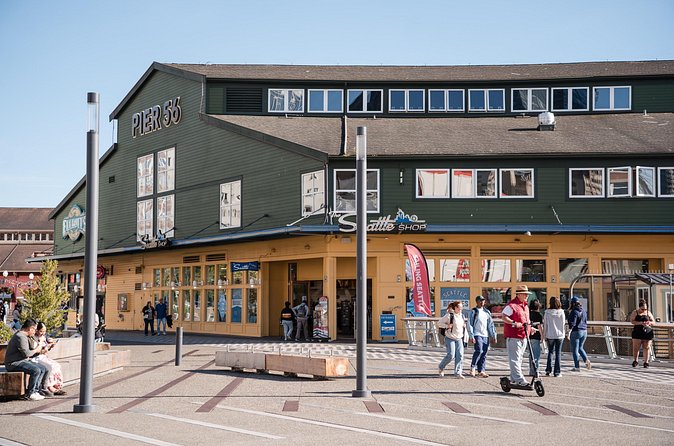
One of the strongest themes in this experience is the indigenous connection to the land. The guide doesn’t treat it like a sidebar. Instead, it’s woven into how you understand the shoreline—not just as a modern recreation space, but as a place with deep meaning for people who call Seattle home.
I like this approach because it stops the typical waterfront story from going only in one direction: boats, buildings, and redevelopment. Here, you get a broader lens. You’re encouraged to notice that the land and community context is part of the story, not decoration layered on top.
Also, it changes how you move through the waterfront. When you’re guided to certain spots, you don’t just think, nice view. You think, this location has a relationship to land and people that deserves attention.
Why this matters for your first visit
If this is one of your first times in Seattle, you can end up seeing the city like a set of attractions. A tour like this helps you see patterns. Where are the pathways leading? What kind of public space is being built? Who is being centered in the narrative?
And because it’s tied to specific locations, it’s easier to remember later when you’re back at Pike Place Market, catching the ferry, or just wandering downtown with a different mental map.
Price and Value: Is $50 Worth 90 Minutes?
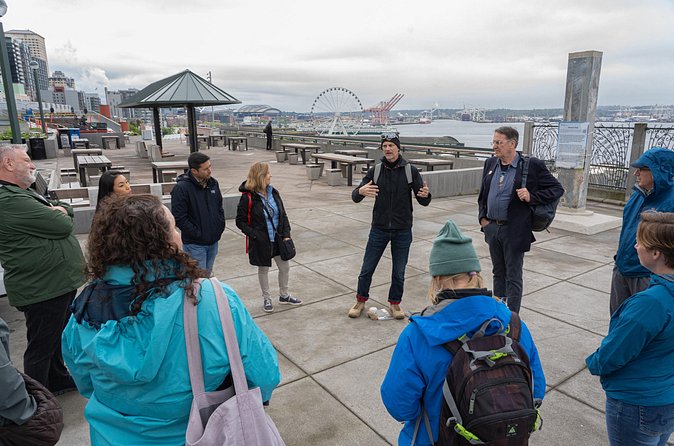
At $50 per person for about 1 hour 30 minutes, this is a mid-priced guided walk. It’s not a bargain-basement deal, but you’re also not paying for a generic sightseeing loop. You’re paying for a guide who connects multiple viewpoints, photos, and cultural context into one coherent route.
Here’s how I think about value for tours like this:
- You’re paying for time saved. A good guide helps you know what’s worth noticing.
- You’re paying for interpretation, not just motion. Old photos and place-based stories are the reason this tour feels different.
- You’re paying for convenience. The start and end points make it easy to pair with other neighborhoods.
Given the small group size and the focused waterfront route, I think the pricing is fair—especially if you like learning while walking, and you don’t want to spend your time reading plaques that barely explain anything.
Who will feel the value most
You’ll likely feel it most if you’re the kind of traveler who enjoys context. If you like understanding why a space looks the way it does today—and how it got there—you’ll appreciate the method. The old photos make the learning quick and visually anchored.
Timing, Weather, and Walking Comfort
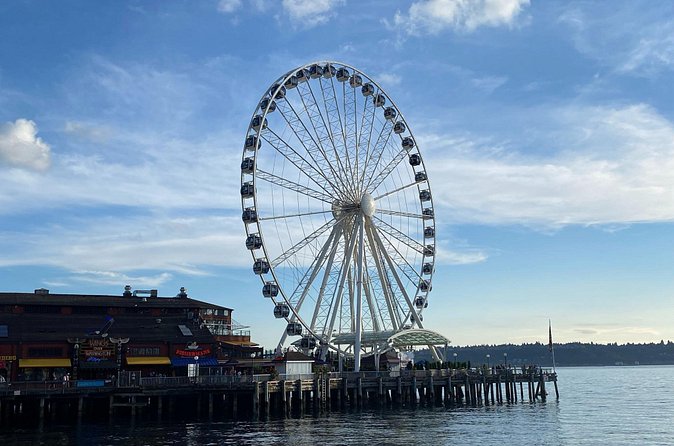
This experience runs in the morning slot at 10:00 am, and it requires good weather. If the day gets too wet, the tour may be canceled and you’ll be offered a different date or a full refund.
That weather requirement isn’t surprising. You’re outside for a meaningful stretch, and you’re walking between viewpoints. Pack accordingly for Seattle—layers, a rain plan, and shoes you don’t mind getting damp if it drizzles.
Plan for moderate walking
You should assume a typical city-walk pace with some elevation changes. The hill-climb walkway is the biggest physical note. If you’re traveling with a stroller or using mobility aids, you might find parts of the route challenging. The good news is the tour is short enough to take breaks.
Also, service animals are allowed, and the tour is near public transportation, which helps if you’re trying to keep the day flexible.
How to Pair It With the Rest of Your Seattle Day

Because it starts at Victor Steinbrueck Park near the downtown waterfront corridor and ends near Pioneer Square, you can build a clean itinerary. One common style of day is:
- Morning: Waterfront history walk
- Midday: Grab food nearby and wander Pioneer Square
- Later: Return by free Waterfront shuttle if you want to revisit Pike Place Market
You don’t have to rush to make it work. The tour’s length is short enough that you can keep momentum, and the ending point sets you up for more exploration without major transit hassles.
Who Should Book This Waterfront History Walking Tour?
This is a strong fit if you want:
- a guided Seattle intro that explains place, not just people
- a short walking experience with a small group feel
- photo-based storytelling that shows change over time
- attention to indigenous connection to the land, tied to actual locations
It’s also ideal if you’re visiting for the first time and want to understand Seattle’s waterfront in under two hours. You’ll leave with a better mental map and a more thoughtful way to look at the shoreline.
Who might want to skip or swap
If you’re looking for purely hands-on fun or if you hate any hill climbs, you might prefer a flatter waterfront option. This one includes elevation, and it’s designed as a walking route through the park features.
Should You Book This Tour?
I’d book it if you want your Seattle waterfront time to feel guided and meaningful, not just scenic. The mix of new park viewpoints, old photos, and the indigenous connection to the land creates a learning experience that’s still easy to enjoy on foot.
It’s also a good value when you compare the cost to what you’d otherwise do: spending hours trying to piece together the waterfront’s transformation from scattered online info. Here, you get one coherent route, a small group pace, and a guide like James who clearly enjoys sharing stories and making the places click.
If the forecast looks iffy, check your planning and bring rain-ready gear. Otherwise, this is one of those Seattle walks that pays off because you notice more after you’ve been shown where to look.
FAQ
How long is the Seattle Waterfront History Walking Tour?
It’s approximately 1 hour 30 minutes.
Where does the tour start and end?
It starts at Victor Steinbrueck Park, 1999 Western Ave, Seattle, WA 98121, and it ends at Pioneer Square, near 100 Yesler Wy, Seattle, WA 98104.
How much does the tour cost?
The price is $50.00 per person.
Is the tour offered in English?
Yes, the tour is offered in English.
What size group is this tour limited to?
This tour has a maximum of 15 travelers.
Do I get a mobile ticket?
Yes, it includes a mobile ticket.
Are service animals allowed, and is it near public transportation?
Service animals are allowed, and the tour is near public transportation.
What happens if the weather is bad or if I cancel?
The experience requires good weather. If it’s canceled due to poor weather, you’ll be offered a different date or a full refund. You can cancel up to 24 hours in advance for a full refund.