REVIEW · SEATTLE
Roasted in Seattle: Bean to Cup Coffee Tour
Book on Viator →Operated by Junket: Seattle Tours and Premium Experiences · Bookable on Viator
Coffee culture, poured one stop at a time. This 2-hour bean-to-cup tour takes you through classic Pike Place stops, with a guide sharing how coffee moves from farm and roasting to your cup. I like the smell-sip-taste training at Anchorhead Coffee, and I also like the smart mix of big-name roots (hello, Starbucks) with neighborhood roasters around every corner.
One consideration: the pace is tight. You’re looking at about 15 minutes per stop, so it’s not the kind of tour where you linger for long chats or deep study at one café—plan to move and sample.
In This Review
- Key things to know before you go
- Roasting in Seattle: how the 2-hour walk stays fun (and not rushed)
- Anchorhead Coffee: learning the cup with smell, sip, taste
- Starbucks at the first stop: origins, myths, and the real question
- Storyville Coffee and Pike Place’s farm-to-cup idea
- Ghost Alley Espresso: the name story and the spooky-fun vibe
- Hands of the World and Sound View Café: stages, Seattle stories, and more sips
- Gum Wall photo moment and Fonte Coffee roasting lessons
- Tastings, guide quality, and why the group size matters
- Walking smart in Pike Place: who this tour suits best
- Price and value: what you get for your time
- Should you book Roasted in Seattle?
- FAQ
- How long is the Roasted in Seattle: Bean to Cup Coffee Tour?
- Where does the tour start, and when does it begin?
- How many stops are included?
- What’s included in the tour?
- Is a guide tip included?
- Is the tour offered in English?
- Are service animals allowed?
- What’s the cancellation window?
Key things to know before you go
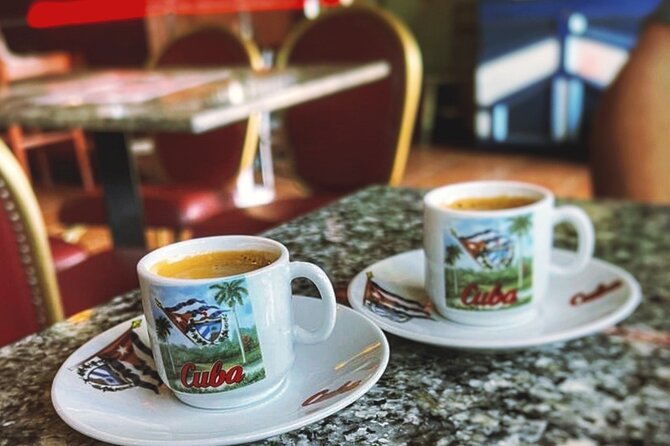
- 15-minute stop rhythm: You’ll sample multiple shops without getting stuck in one line.
- Real training, not just sightseeing: Expect hands-on guidance on how to smell and taste coffee.
- Big brand origins plus local roasters: Anchorhead, Starbucks, and several Pike Place favorites all get airtime.
- Tastings included: You get coffee and/or tea tastings as part of the experience.
- Icon photo moment: The Gum Wall is built into the route, not treated like an optional detour.
- Small groups: The tour caps at 20 travelers, which helps keep the walk feeling organized.
Roasting in Seattle: how the 2-hour walk stays fun (and not rushed)
This is a coffee tour built for motion. You start at Anchorhead Coffee (2003 Western Ave STE 110A, Seattle) at 11:00 am, and you finish back where you began. The route focuses on the Pike Place area, so you’ll spend most of your time walking between cafés while your guide keeps the story moving.
The format is simple: a sequence of coffee shops and a couple of Seattle icons, with each stop landing around 15 minutes. That short timing is a feature. You taste more, you see more, and you avoid the “one café, two hours later” problem that can happen on longer food tours.
The tour is offered in English, uses a mobile ticket, and runs with a maximum of 20 travelers. If you want a coffee education that fits inside a morning schedule (without a full-day commitment), this structure is a good match.
You can also read our reviews of more tours and experiences in Seattle
Anchorhead Coffee: learning the cup with smell, sip, taste
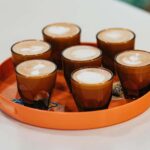
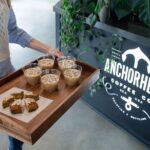
Your first stop sets the tone. At Anchorhead Coffee, you’re not only visiting a café—you’re getting a quick crash course in how to taste coffee on purpose. The premise is straightforward: Anchorhead brews and bottles coffee on the premises, so you start with a place that’s actively doing the work, not just selling the final product.
Expect your guide to walk you through how to smell first, then sip and taste with attention. This matters because most people taste coffee the same way they taste a sweet drink—quickly, and with no real method. Here, you’ll be nudged to notice aromas and flavor cues, which makes the rest of the route more meaningful. When you try later tastings, you’ll have a framework instead of just chasing whatever tastes strongest.
You also get some Seattle context right away. The guide is there to connect coffee to the city’s development, so you’re not memorizing facts for trivia night. You’re learning why Seattle coffee culture looks the way it does.
Starbucks at the first stop: origins, myths, and the real question
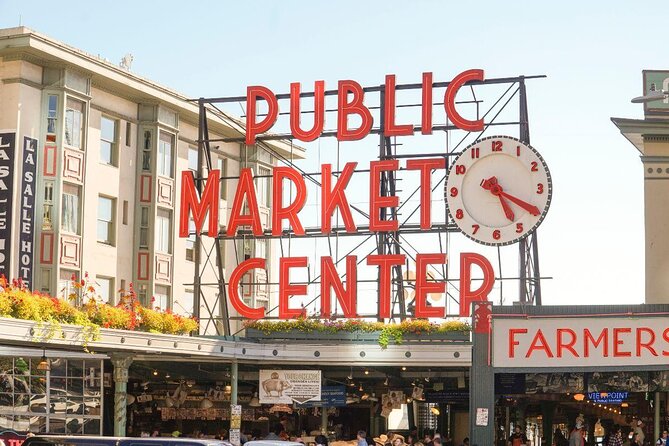
Next comes Starbucks—specifically the “First Starbucks” stop. This is the part of the tour that pulls you away from only niche roasters and into the story that changed coffee branding worldwide.
You’ll hear how the company started. But the bigger value here is perspective. One of the fun surprises from the tour experience is learning that the location people point to as the original doesn’t always match what people assume. In other words, you get a grounded story, not a marketing story.
This stop works especially well if:
- you love coffee history,
- you want a quick reality check on what’s “original,”
- or you just like understanding how global brands grow from local beginnings.
And if you’re thinking, I don’t want a tour that’s all theory, good news: you’re still moving through cafés with tastings, not sitting and listening for too long.
Storyville Coffee and Pike Place’s farm-to-cup idea
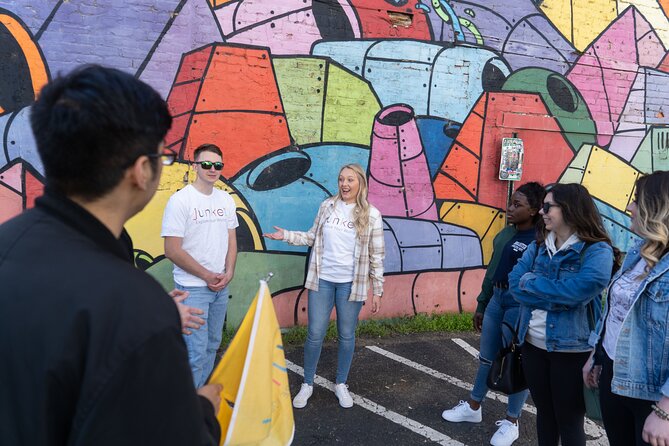
At Storyville Coffee (Pike Place), the tour shifts into the coffee pipeline. The focus here is harvesting and what it takes for coffee to make the leap from farm to table, then from bean to cup.
This is where the tour stops feeling like a coffee crawl and starts feeling like a “how it works” lesson. Seattle is a coffee city, but the reason coffee culture sticks here is because you can trace it—from sourcing and growing, to processing, to roasting, to brewing. Storyville is part of that chain, and your guide connects the dots.
One practical plus: this stop is located in the Pike Place orbit, so it blends into the experience naturally. You’ll get the lesson while the area around you is doing its own Pike Place thing—street energy, people watching, and the kind of surroundings that make a coffee break feel like an event.
Ghost Alley Espresso: the name story and the spooky-fun vibe

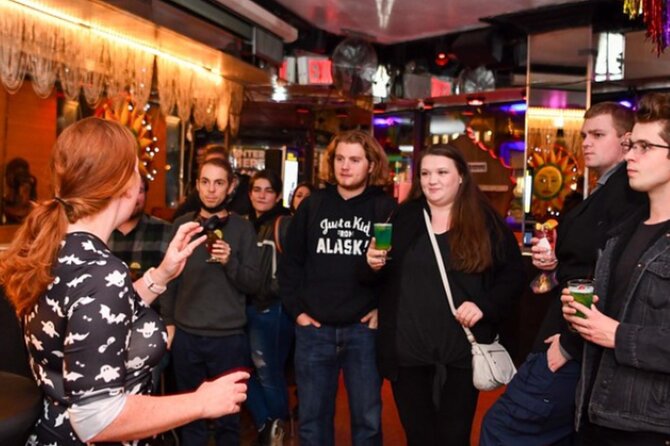
Ghost Alley Espresso is a memorable stop, and not only because it’s a fun place to visit in a city that loves its weird corners. The tour explains where Ghost Alley Espresso got its name, turning what might look like a gimmick into something you can actually explain afterward.
The vibe is part of the appeal. It’s the sort of café stop where the atmosphere makes you want to try what they’re serving. One highlight that came up in the tour experiences is a fan-favorite tasting style described as a mystery drink. If that kind of playful sampling is your thing, this is often the stop that gets extra attention during the tasting lineup.
Here’s the value for your brain: hearing the origin of the name makes you pay attention during the tasting. You remember the coffee more because you’re tagging it to a story.
Hands of the World and Sound View Café: stages, Seattle stories, and more sips
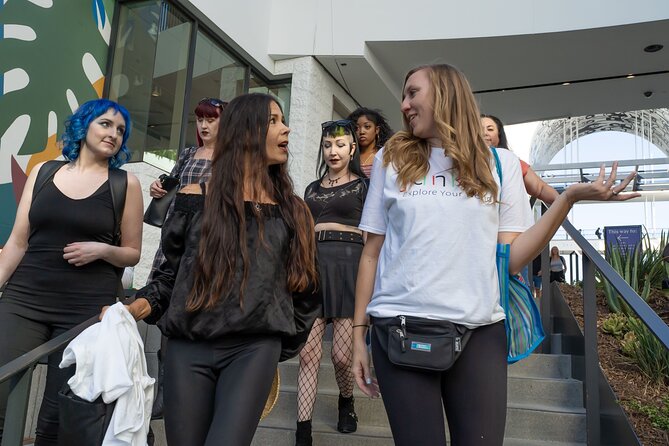
After Ghost Alley, the tour keeps stacking coffee concepts. At Hands of the World, the guide focuses on the stages of coffee—the many steps it takes to go from raw product to something you can drink comfortably every day.
Think of this as the “workflow” stop. If Anchorhead taught you how to taste, and Storyville taught you how coffee travels, Hands of the World brings it into focus like a checklist: processing, roasting, and the path to a cup. Even if you already know coffee basics, this kind of structured walk-through tends to sharpen the details.
Then there’s Sound View Café, where the focus shifts back toward Seattle. You’ll hear more city stories while also enjoying more sips. The goal is balance: coffee science and Seattle context, so you leave understanding why Seattle coffee culture feels like a local identity, not just a trend.
This pair of stops is a nice reminder that coffee history isn’t only about companies and inventions. It’s also about place—what people in a city built their routines around.
Gum Wall photo moment and Fonte Coffee roasting lessons
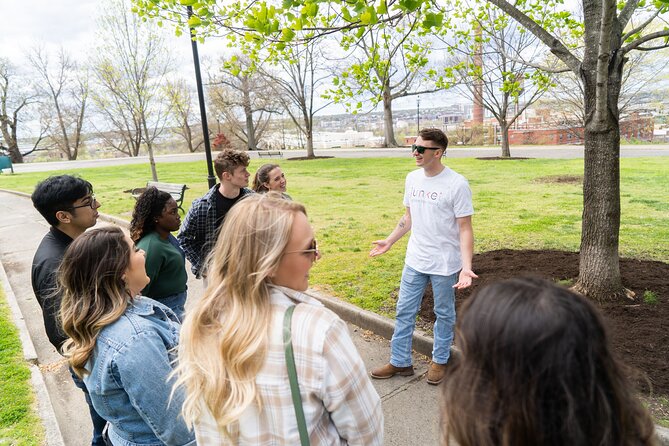
Two of the most recognizable parts of the route are the Gum Wall and Fonté Coffee on 1st Avenue.
At The Gum Wall, you get a built-in chance to take a picture in front of the iconic wall that started in the 1990s. This isn’t a long stop, but it’s a useful one. It gives you a quick Seattle landmark moment right in the middle of the coffee education, so the tour doesn’t feel like it’s trapped inside café walls.
Then you close at Fonté Coffee (1st Avenue), with a roasting-focused lesson. You’ll learn about the roasting process, with the guide tying it to the flavors you’ve been tasting along the way. This is a strong closing move because roasting is where a lot of flavor differences start to make sense. After several stops, you’ll likely notice that the tastings don’t just taste different—they make sense.
One more practical note: the final segment wraps with the guide sending you on your way, and the tour ends back at the meeting point.
Tastings, guide quality, and why the group size matters
The tour includes coffee and/or tea select tastings, plus a professional, courteous guide. There’s also an emphasis on being thoroughly researched in the history and facts you’re hearing.
The guide quality is a big part of why this tour earns such high marks. In the experiences shared, guides like Zach are repeatedly praised for connecting coffee production to what you can taste, and for adding Pike Place details without turning it into a lecture. Courtesy also comes up—like when a stop doesn’t go exactly as planned, the tour still stays on track.
Group size (max 20 travelers) is also more than a number. With a smaller group, the walk feels coordinated, and your guide can keep the timing tight so everyone gets the tasting focus.
Walking smart in Pike Place: who this tour suits best
This tour is best for you if:
- you want a coffee education that doesn’t take half a day,
- you like tasting multiple roasters in one outing,
- you’re visiting Seattle and want a Pike Place route that has meaning beyond shops and souvenirs.
It’s also a good choice for first-timers who want to feel oriented fast. You’ll see multiple well-known cafés plus at least one iconic landmark, and the guide’s job is to turn that into an easy-to-follow story.
If coffee is your hobby but you don’t want a heavy classroom vibe, this fits. The structure is short stops with hands-on tasting guidance, so you’re learning with your senses, not just your brain.
One caution: the experience notes that it’s not recommended for travelers with food allergies. That’s important. Tastings and cross-contact risks can vary at cafés, and if you have allergies you should be careful and ask direct questions before booking.
Price and value: what you get for your time
There’s no single “value score” you can compute without the exact price, but you can judge value from what’s included.
Here’s what’s clearly part of the experience:
- a professional guide,
- a researched tour focused on coffee history and process,
- and coffee/tea tastings along the route.
Also, each listed stop shows admission ticket free, which helps keep the experience from turning into a pay-at-the-door pattern. Combined with a route that hits multiple cafés plus the Gum Wall, this is a lot packed into about 2 hours.
Most importantly, it’s not just “try coffee here, then try coffee there.” The tastings are connected to what your guide is telling you—especially the tasting technique at Anchorhead and the roasting lesson at Fonté. That connection is where the value tends to show up.
Should you book Roasted in Seattle?
Book it if you want a guided, paced coffee walk that teaches you how to taste, explains how coffee works, and still gives you Pike Place icons along the way.
Skip it (or at least consider other options) if:
- you hate moving quickly and prefer long café stays,
- you have food allergies and need extra safety clarity,
- you’re looking for a deep, slow study at just one roasting facility rather than a multi-stop sampler.
If your goal is to leave Seattle with more than a souvenir cup—something you can actually describe, compare, and understand—this tour is a strong bet.
FAQ
How long is the Roasted in Seattle: Bean to Cup Coffee Tour?
The tour is about 2 hours.
Where does the tour start, and when does it begin?
It starts at Anchorhead Coffee, 2003 Western Ave STE 110A, Seattle, WA 98121, and the start time is 11:00 am.
How many stops are included?
There are 8 stops: Anchorhead Coffee, Starbucks, Storyville Coffee Pike Place, Ghost Alley Espresso, Hands of the World (in Pike Place Market), Sound View Cafe, The Gum Wall, and Fonté Coffee on 1st Avenue.
What’s included in the tour?
Included are a professional, courteous guide; thoroughly researched history; and coffee and/or tea select tastings.
Is a guide tip included?
No, guide tip is not included.
Is the tour offered in English?
Yes, it’s offered in English.
Are service animals allowed?
Yes, service animals are allowed.
What’s the cancellation window?
You can cancel for a full refund up to 24 hours before the experience starts. If you cancel less than 24 hours before, there is no refund.