REVIEW · SEATTLE
Pacific Science Center General Exhibit Admission
Book on Viator →Operated by Pacific Science Center · Bookable on Viator
Science plus Seattle weather. That’s a strong combo. With hundreds of hands-on exhibits and signature stops like the Tropical Butterfly House, Pacific Science Center is an easy win when you want something fun that still teaches. I like that you can aim for a short 2–3 hour visit, or stretch longer if your kids (or you) keep finding new experiments.
My favorite parts are the up-close, kid-friendly wow moments—free-flying butterflies in a garden setting, plus tactile learning at the Salt Water Tide Pool. One thing to watch: the experience can feel more geared toward younger kids, and some adults (especially solo adults) may find certain exhibits basic or the lighting effects a bit much.
In This Review
- Key things to know before you go
- Pacific Science Center General Admission: what you’re really buying
- Getting there: timing, last admission, and why arrival matters
- Exhibit tour walkthrough: butterflies, tide pools, dinos, and hands-on building
- Stop 1: Tropical Butterfly House (the easiest wow-factor)
- Salt Water Tide Pool (touch-based learning with Puget Sound ties)
- Tinker Tank makerspace (engineering and design challenges)
- Prehistoric zone with robotic dinosaurs (motion + behavior learning)
- Live science experiments (watch, then see what’s happening)
- Optional add-ons: IMAX, planetarium, and laser show planning
- IMAX documentary (own expense, worth considering if you like big-screen science)
- Daytime laser show and planetarium (availability varies)
- Price and value: when $33.75 feels great and when it might not
- Logistics you’ll want to plan for: parking, food, and where to set expectations
- Parking can be pricey and tight
- Food and drinks are not included
- Maps can be a weak spot
- Who this is best for (and who should think twice)
- Tips to make your visit smoother (and more fun)
- Should you book Pacific Science Center General Exhibit Admission?
- FAQ
- How long does the Pacific Science Center general exhibit admission visit take?
- What’s included with general exhibit admission?
- Are IMAX and planetarium tickets included?
- Are daytime laser shows included?
- What are the opening hours?
- Can I cancel for a full refund?
- Is it okay to bring a child under 12?
Key things to know before you go
- Prebooking helps guarantee entry, which is useful at a popular Seattle family stop.
- Mobile ticket means less fuss once you arrive.
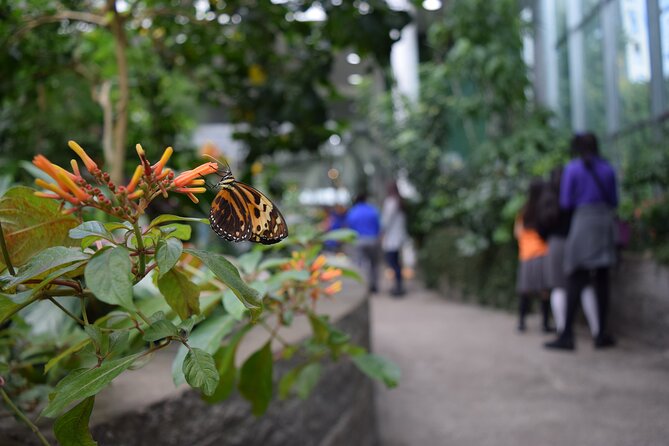
- Tropical Butterfly House has hundreds of free-flying butterflies in a lush garden-style setup.
- Salt Water Tide Pool focuses on Puget Sound creatures and lets you explore textures and habitats.
- Tinker Tank is the hands-on makerspace for engineering and design challenges.
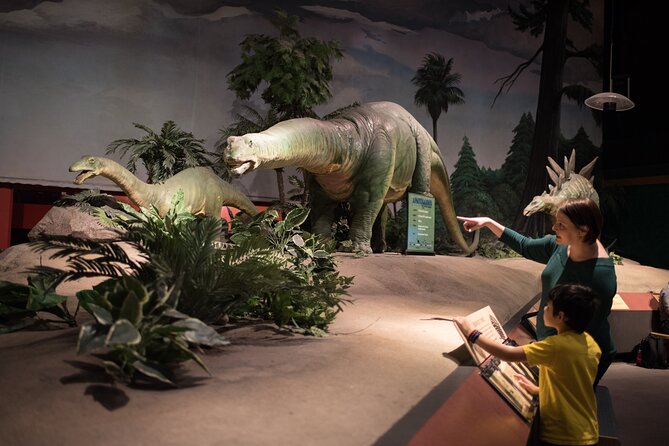
- Prehistoric robotic dinosaurs add motion and behavior-based learning for the kid set.
Pacific Science Center General Admission: what you’re really buying
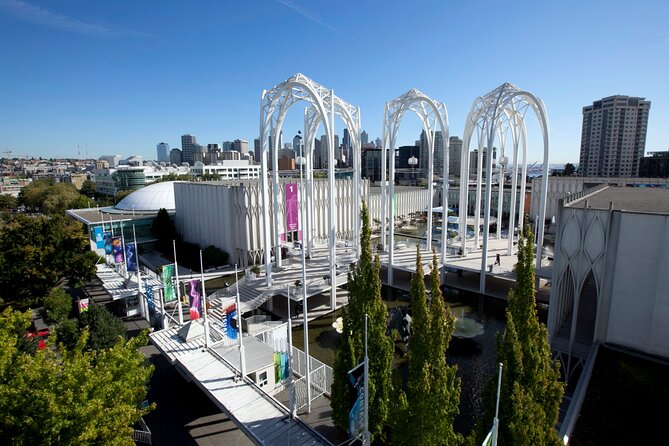
Pacific Science Center general admission is all about access to the core exhibit floor—hundreds of interactive stations where you can poke, test, build, and learn without needing a guide to tell you what to do. The headline feature is variety: butterflies, ocean life, engineering/design play, and a prehistoric zone with robotic dinosaurs. You’re also set up to add optional big-ticket experiences on-site like IMAX, planetarium sessions, and the laser show (availability varies for the shows).
At $33.75 per person for roughly 2–3 hours, the value depends on who you’re traveling with. For families with kids, this is often money well spent because kids can cycle through multiple areas in one visit. For adults traveling solo, it’s more hit-or-miss. Some people love the hands-on format and the chance to nerd out; others feel it skews young and that the exhibits can feel dated.
Here’s the practical way I’d frame it: this is not a quiet, gallery-style museum. It’s a science playground with structure. If your group likes to experiment with their hands and take short, satisfying breaks, you’ll probably leave happy.
You can also read our reviews of more tours and experiences in Seattle.



Getting there: timing, last admission, and why arrival matters
Pacific Science Center is open Wednesday through Sunday from 10:00 AM to 5:00 PM, with last admission at 4:00 PM. It also says it’s open Monday through Sunday during school holidays and breaks, so check dates if you’re visiting outside the usual school-week rhythm.
That “last admission at 4” detail matters because a science center visit adds up quickly: butterflies take time, tide pooling and tactile exhibits can slow you down (in a good way), and Tinker Tank-style activities can be stop-and-stare, then try-it-yourself. If you roll in close to afternoon cutoff, you may feel rushed and skip areas you’d rather see.
Plan around a simple rhythm:
- Start with one big draw (butterflies or the tide pool).
- Build in one makerspace block (Tinker Tank).
- Finish with a visually loud zone (robotic dinosaurs and any live demonstrations you catch).
And yes, tickets are mobile, which helps if you’re bouncing between stops around Seattle.
Exhibit tour walkthrough: butterflies, tide pools, dinos, and hands-on building
Below is the flow I’d use to get the most out of a general admission ticket, based on what the center offers.
Stop 1: Tropical Butterfly House (the easiest wow-factor)
The Tropical Butterfly House is one of those exhibits that grabs attention fast. You’re in a garden-style environment with hundreds of free-flying butterflies. This is a great choice early in your visit because the “wow” wears off if you’re already tired or hungry.
What I like about it as a grown-up activity: it’s not just pretty. You’re surrounded by life, and the setting makes the science feel real and immediate instead of textbook-only.
What to consider: butterflies are an active moving target. If your group needs a perfectly paced, predictable experience, this can be a little chaotic—in the best way. Wear comfortable shoes and stay aware of where others are walking so you don’t crowd.
Salt Water Tide Pool (touch-based learning with Puget Sound ties)
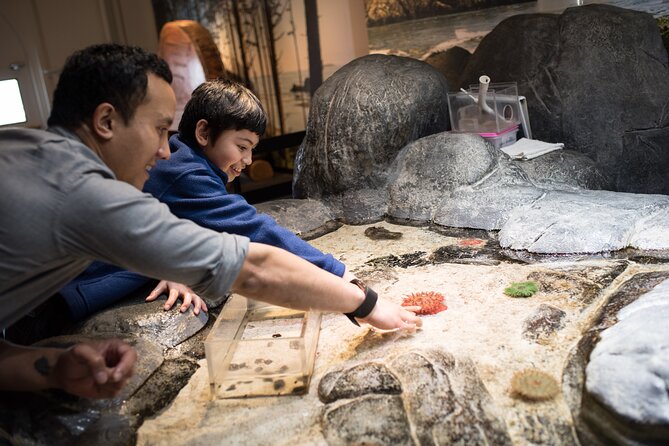
Next up is the Salt Water Tide Pool, where you interact with animals from Puget Sound waters. The focus is habitat and ecosystem connections: you learn how these creatures live, then you can feel unique textures and observe how they coexist in a vital coastal system.
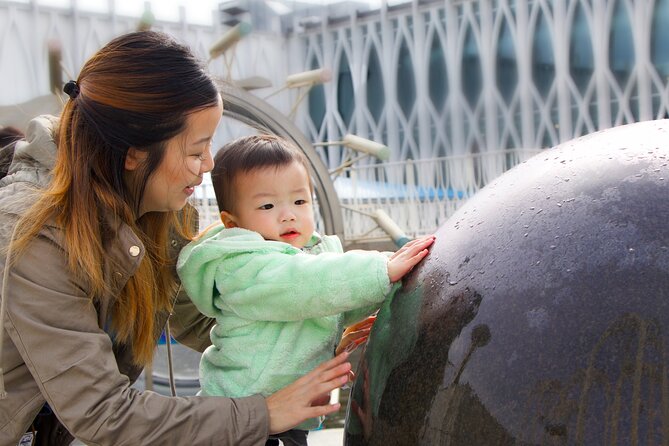
This stop tends to be a hit because it’s hands-on without requiring any special skills. Kids love the tactile part. Adults who think they’d be bored usually get pulled in because touching textures turns learning into something you experience rather than just read.
A practical tip: tide pool stations often have a “busy, hands-on” vibe. If your group likes to move at its own pace, give yourselves a little extra time and don’t plan to sprint through this one.



Tinker Tank makerspace (engineering and design challenges)
Then there’s Tinker Tank, a hands-on area for engineering and design challenges. This is where you shift from watching to doing. Think: experiments that reward curiosity and trial-and-error.
Why this matters for value: general admission can feel repetitive if it’s mostly screens. Tinker Tank breaks that pattern. It turns the visit into a “make something, test something, try again” experience.
If your group has one kid who can’t sit still for exhibits but also wants science, this is your pressure-release valve. It’s active in a constructive way.
Prehistoric zone with robotic dinosaurs (motion + behavior learning)
The prehistoric area features roaring robotic dinosaurs. The learning angle isn’t just sight; it’s behavior and habitat. For many families, this zone is the quick energy burst that keeps the day from turning into “waiting for adults to finish reading.”
One key note: some feedback suggests the center can skew toward younger audiences. If you’re traveling with big dinosaur fans in the toddler-to-elementary range, this often works beautifully. If you’re expecting a deep paleontology museum for older kids, you might need to manage expectations.
Live science experiments (watch, then see what’s happening)
Pacific Science Center also includes live science experiments. These are the kinds of moments that can become the highlight because they add real-time change—things happen while you’re there, which makes it feel more like science than a static display.
Since the exact shows and timings aren’t listed here, the best move is to be flexible. Leave time to catch one during your visit instead of trying to schedule around it.
Optional add-ons: IMAX, planetarium, and laser show planning
General admission covers the exhibit experience. It does not include extra ticketed experiences like IMAX and some shows.
IMAX documentary (own expense, worth considering if you like big-screen science)
IMAX is available at the ticket booth for an additional fee. The benefit is that it turns the science center day into a larger, cinematic experience. One review specifically called out an IMAX experience as the best movie experience in years in Seattle, and praised friendly staff.
If you’re the type who loves high-impact visuals, adding IMAX can help justify the overall spend. If you’d rather spend money on hands-on time, you can skip it and keep your visit simple.
Daytime laser show and planetarium (availability varies)
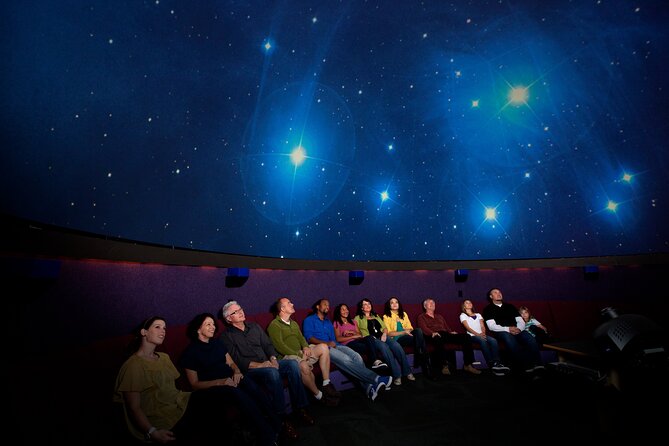
Laser shows and planetarium tickets can be booked during your visit, and availability varies. So don’t treat them like guaranteed add-ons. If you want them, arrive early enough to check what’s running.
A practical caution if you’re sensitive to intense lighting or effects: at least one review mentioned that the laser show hurt their eyes. If that’s you, consider passing or sitting farther back.
Price and value: when $33.75 feels great and when it might not

At $33.75 per person, this ticket price is not a bargain—so your group needs to actually use the space.
Here’s how I’d evaluate value:
Good value if:
- You have kids who want to move between multiple interactive zones in one afternoon.
- Your family likes touch-based learning and short activities.
- You want multiple “science flavors” without driving around Seattle.
Maybe not the best value if:
- You’re an adult solo traveler expecting a more advanced science museum.
- Your group tends to dislike hands-on exhibits and prefers quiet, curated displays.
- You’re looking for brand-new, high-tech exhibit upgrades. Some feedback points to exhibits that feel old or not well maintained.
I’ll also add a subtle value tip: some people do a partial visit, then come back later for a show (one review mentioned leaving and returning for the planetarium). If your schedule allows, splitting your day can help you avoid that tired feeling that makes exhibits seem less fun.
Logistics you’ll want to plan for: parking, food, and where to set expectations
Parking can be pricey and tight
Parking is a known pain point. One review warned that the parking structure can be pricey and tight. If you’re driving, factor that stress into your arrival plan. If you can, consider using public transportation since it’s described as near public transportation.
Food and drinks are not included
Food and drinks aren’t part of admission. If you’re visiting for 2–3 hours, you might be fine with snacks you bring (not specified here) or buying on-site, but you should assume you’ll spend extra.
Maps can be a weak spot
One review said the center can feel confusing because there aren’t displayed maps they noticed. That’s an easy fix: when you enter, take a moment to orient yourself, then choose your first big stop. Your day will feel smoother even if signage isn’t perfect.
Who this is best for (and who should think twice)
This place is at its strongest when you’re traveling with kids, especially in the younger range. There are clear family rules too: youth age 12 and under must be accompanied by a responsible adult or legal guardian throughout the visit.
If you’re a family traveling with children around the preschool-to-early-elementary stage, you’ll likely get that “multiple activities, multiple wins” feeling fast—especially with the butterfly house, tide pool textures, and robotic dinosaur zone.
If you’re an adult traveling solo, your experience depends on your expectations. One review felt it wasn’t good for adults and criticized basic exhibits and certain effects. On the other hand, another review praised the center for fully engaging even senior citizens with advanced degrees. Translation: some adults genuinely love the hands-on approach, but you shouldn’t expect a mostly grown-up science museum vibe.
Tips to make your visit smoother (and more fun)
- Start with your biggest draw (butterflies or tide pool) so you don’t lose energy before the best parts.
- Give Tide Pool time—it’s tactile, so it naturally slows groups down.
- Plan for movement. This is a science center where you’ll walk and stop constantly.
- If you’re sensitive to light effects, be cautious with the laser show.
- Bring a simple game plan: one “do,” one “watch,” one “build.” That prevents decision fatigue.
Should you book Pacific Science Center General Exhibit Admission?
If you’re traveling with kids and want a one-ticket way to hit several hands-on science zones in Seattle, I’d say yes—Pacific Science Center general admission is a strong family value for the time you get on-site. The butterfly house and tide pool alone can make the day feel worth it, and Tinker Tank helps turn learning into doing.
If you’re an adult solo traveler or you’re hoping for a more advanced museum-style experience, I’d book only if you’re genuinely into interactive science play, not if you want a quiet, highly updated exhibit lineup. In that case, consider prioritizing optional big-screen experiences like IMAX if it matches your interests, and keep your expectations aligned with a hands-on, family-friendly science center.
FAQ
How long does the Pacific Science Center general exhibit admission visit take?
It’s listed as about 2 to 3 hours.
What’s included with general exhibit admission?
General admission includes access to the science center exhibits, along with local taxes. It does not include additional ticketed shows.
Are IMAX and planetarium tickets included?
No. IMAX tickets are available for an additional fee at the ticket booth, and planetarium/laser shows can be booked during your visit if available.
Are daytime laser shows included?
Not included. Daytime laser show tickets can be booked during your visit, availability varies.
What are the opening hours?
Wednesday through Sunday it’s open 10:00 AM to 5:00 PM, with the last admission at 4:00 PM. Hours may vary, so you should check before you go.
Can I cancel for a full refund?
Yes. You can cancel up to 24 hours in advance for a full refund. If you cancel less than 24 hours before the start time, no refund is provided.
Is it okay to bring a child under 12?
Yes, but youth age 12 and under must be accompanied by a responsible adult or legal guardian throughout the visit. Service animals are also allowed.