REVIEW · SEATTLE
Roasted in Seattle Bean to Cup Coffee Tour
Book on Viator →Operated by Seattle Terrors By US Ghost Adventures · Bookable on Viator
Seattle coffee makes more sense on foot. This 8-stop, bean-to-cup walk turns familiar landmarks into a living coffee lesson, pairing short tastings with real stories across Seattle’s coffee scene. It runs about 2 hours, starts at Anchorhead Coffee at 11:00 am, and keeps things simple with a mobile ticket and an English-speaking guide.
Two things I really liked: the small group feel (easy to move, no rush to squeeze everyone in), and the focus on hands-on coffee moments like smelling, sipping, and tasting rather than just standing around. You also get a nice sense of Seattle’s coffee identity as the tour links each location to a different part of the story.
One drawback to consider: the pace is designed for variety, so each stop is brief (about 15 minutes). If you go on a busier day at Pike Place, you may find crowds make it harder to slow down at the market stops.
In This Review
- Quick hits: what makes this coffee tour work
- Why this Seattle coffee walk feels more useful than a typical tasting
- Anchorhead Coffee: start with the smell-and-taste lesson on Western Ave
- The first Starbucks stop: how the big brand began (and why it matters)
- Storyville Coffee in Pike Place: harvesting to farm-to-cup (bean to table)
- Ghost Alley Espresso and the Gum Wall: spooky name, playful Seattle energy
- Hands of the World and Sound View Café: stages of coffee, then Seattle stories
- Fonté Coffee on 1st Avenue: the roasting process and the last clue
- What it costs, and what $68 buys you in real life
- Timing, group size, and how to make the tour feel easy
- Who should book this coffee tour
- Should you book Roasted in Seattle Bean to Cup?
- FAQ
- How long is the Roasted in Seattle Bean to Cup Coffee Tour?
- What does the tour cost?
- Where does the tour start?
- How many people are in the group?
- Is the tour offered in English?
- Can I cancel for free?
Quick hits: what makes this coffee tour work
- 8 stops in ~2 hours gives you breadth without a whole day commitment
- Anchorhead Coffee’s on-site brewing sets the tone with smell, sip, and taste
- The first Starbucks location adds a big-picture origin story to the walk
- Pike Place Market includes classic Seattle icons like the Gum Wall photo moment
- Finishes with roasting at Fonté Coffee so you leave knowing what happens after the beans
- Up to 20 people keeps the group moving and samples manageable
Why this Seattle coffee walk feels more useful than a typical tasting
I like coffee tours that do more than hand you a drink and send you off. This one is built around the idea that coffee is a process, not a mystery. You hop from spot to spot and each location is tied to a stage—how coffee gets brewed, how a company started, what harvesting looks like, and what roasting changes.
At $68 per person for about 2 hours, it’s not the cheapest Seattle activity on the menu. But you are paying for time with a guide who keeps the stops tight (so you don’t waste hours commuting) and for a format that actually teaches you what you’re drinking. Also, the group size stays capped at 20 people, which matters more than you’d think once you’re standing in lines or trying to hear the guide.
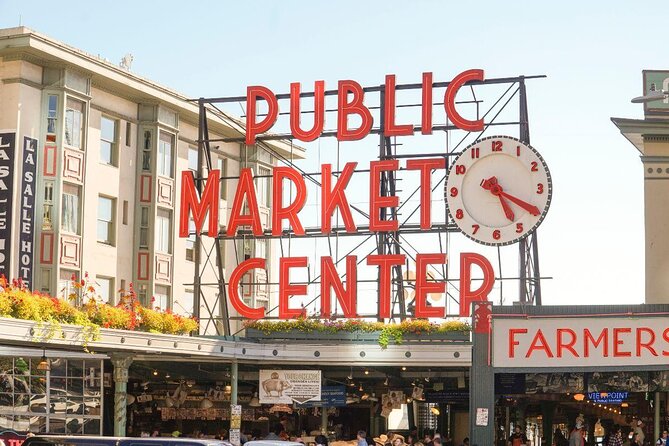
If you want Seattle flavor, this tour also gives you a walk through the places most people associate with the city—especially around Pike Place—without turning it into a long, crowded crawl.
You can also read our reviews of more tours and experiences in Seattle
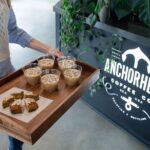
Anchorhead Coffee: start with the smell-and-taste lesson on Western Ave
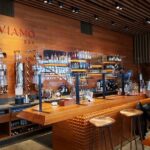
Your tour begins at Anchorhead Coffee (2003 Western Ave STE 110A) at 11:00 am, and the opening stop does a smart thing: it trains your senses before your opinions get formed.
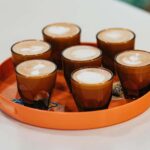
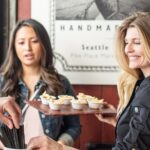
Here, the experience focuses on learning how to smell, sip, and taste coffee while the coffee is brewed and bottled on the premises. That detail is useful, because it grounds the whole tour in something practical. Instead of treating coffee tasting like a vague hobby, you get a quick start on how to pay attention to aroma and flavor.
This is also where the tour’s tone becomes clear: you’ll be asked to engage, not just observe. One review called out that the coffee drinks—and even a cinnamon bun—were tasty, which fits with the idea that the stop isn’t only educational, it’s also enjoyable.
Potential watch-out: since the stop is only about 15 minutes, if you tend to overthink your order, you might want to keep it simple here and let the guide’s instructions lead. It’s a learning start, not a sit-down café hang.
The first Starbucks stop: how the big brand began (and why it matters)
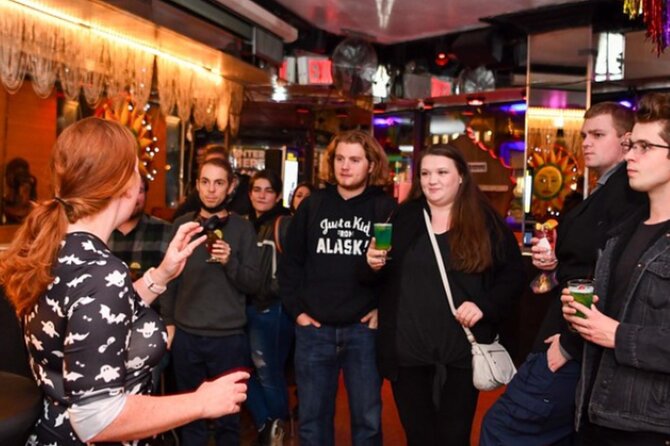
Next is Starbucks Coffee Company, specifically the First Starbucks stop. This one is classic Seattle context: you’re at the origin point of a brand that became a global template for coffee culture.
The tour framing is more than trivia. You learn how Starbucks started, then you can look at the modern coffee experience you already know through a different lens. Once you’ve heard the origin story, the place stops being just a photo stop and starts feeling like a turning point in coffee history.
Is there any downside? Sure: if you’ve been in and out of Starbucks locations your whole life, this might feel a little familiar at first. But that’s why it works as a middle stop—your guide can connect the origin story back to the tour’s bigger theme: coffee is a business, a craft, and a culture all at once.
Timing note: you’re there for about 15 minutes, so the guide is likely steering you toward the most important parts, not an endless monologue. That short format keeps things moving and helps the rest of the stops land.
Storyville Coffee in Pike Place: harvesting to farm-to-cup (bean to table)
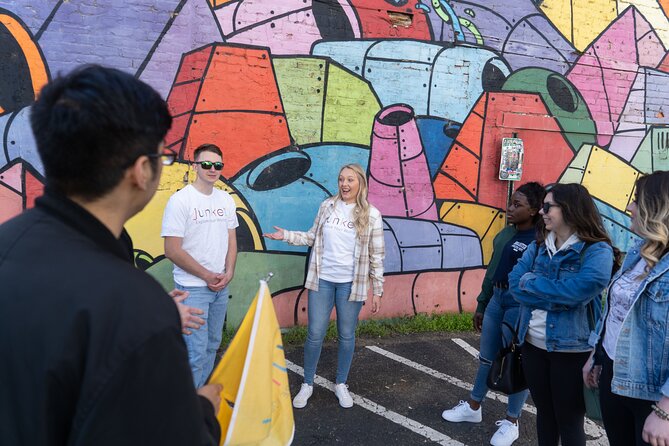
At Storyville Coffee in Pike Place, the tour shifts from company origins to the supply chain side: what it takes for coffee to go from harvesting to farm to table, and broadly bean to cup.
This stop matters because it’s where coffee stops being only about what tastes good to you and becomes about where it comes from. You’ll hear what it takes for coffee to travel through the steps that bring it to your cup. Even without complicated jargon, you walk away with a clearer map of why coffee varies and why freshness and processing can shape flavor.
Practical note: Pike Place can get busy, especially on weekends. One review specifically suggested that a Saturday visit could feel crowded and that a weekday might be easier for enjoying the pace. That’s a real consideration here, because if foot traffic swells, you’ll have less room to pause, sample, and listen.
Ghost Alley Espresso and the Gum Wall: spooky name, playful Seattle energy

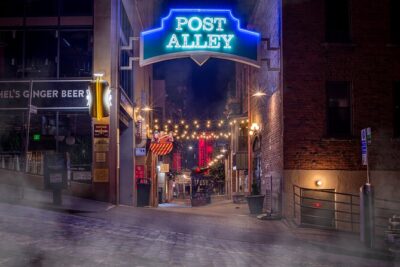
Then you’re at Ghost Alley Espresso, and the focus turns fun. You’ll learn where the name comes from—Ghost Alley has that Seattle storytelling vibe that’s half myth, half local identity. It’s the kind of stop that breaks up the learning and makes the walk feel more like exploring than auditing.
Right after, the tour includes The Gum Wall, with time to take a picture in front of the iconic wall. This is a classic Seattle moment, and it’s also a useful reset: you get outside, get your bearings, and let your coffee-brain breathe for a minute.
If you’re wondering whether this stop is a “break from coffee,” it sort of is. But that’s not a bad thing. Coffee tours can become a blur of sips. Adding a quick, silly, photo-worthy landmark helps the rest of the learning stick.
Timing note: you get about 15 minutes here, so it’s enough for a photo and a quick look, but not a long hang. Plan to move with the group so the tour stays on track.
Hands of the World and Sound View Café: stages of coffee, then Seattle stories
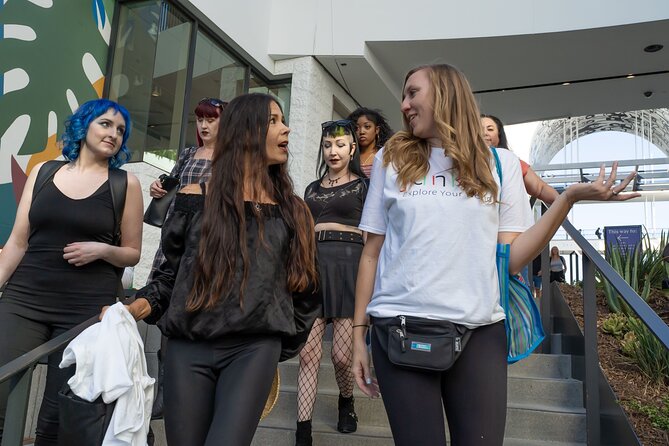
Back in the Pike Place area, the tour brings you to Hands of the World for more “stages” learning: you’ll hear about the steps it takes to produce a cup of caffeinated goodness. This is the tour’s build-up toward roasting and final flavor. Once you’ve heard about harvesting and movement through the supply chain, this stop helps connect the dots to the final product you’re tasting.
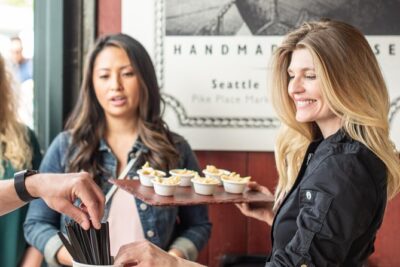
After that comes Sound View Café, where the guide continues the coffee stories tied to Seattle. You also enjoy some sips here, which keeps the lesson from turning into a purely lecture-based walk. The key value of this stop is pacing: you’ve already learned process basics, so Sound View feels like the reinforcement phase—putting those pieces into a broader Seattle context.
One thing I appreciate about this format is that it doesn’t pretend coffee is one story. It’s multiple stories braided together: people, places, and process. Hands of the World and Sound View help you feel that system rather than memorize facts.
If you want to get the most from these two stops, don’t treat them like two separate cafés. Treat them like two chapters that explain coffee from different angles—stages, then city connections.
Fonté Coffee on 1st Avenue: the roasting process and the last clue
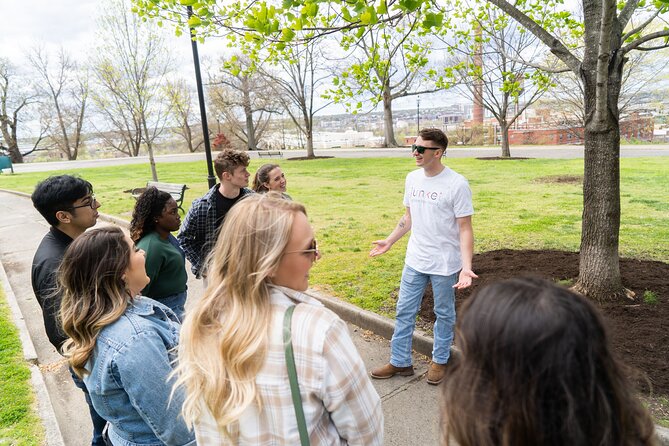
The tour ends with Fonté Coffee (1st Avenue). This final stop is the best kind of closer: you learn about the roasting process, with a few more stories, and then the tour sends you back on your way.
Roasting is where coffee flavor becomes personal. Even if the beans and origin are interesting, roasting is often where you notice the difference in your cup. By the time you reach Fonté, you’ve already touched harvesting, stages, and how brands shaped coffee culture. So roasting doesn’t feel random—it feels like the final link.
This is also a good stop for asking yourself what you like. If you’ve been paying attention to aroma and taste at Anchorhead, you’ll have more to compare here. And since this is near the end, your brain is ready to label what you’re experiencing.
A small bonus from the pacing: because the tour is only about 2 hours total, you’re not exhausted. You’ll still have enough energy to step back out and explore Pike Place or grab a second coffee the way a local would—now with better questions in your head.
What it costs, and what $68 buys you in real life
Let’s be honest: $68 is a solid chunk of change for a walking tour. But value isn’t only about price—it’s about whether you leave with something you can use.
Here’s what you can use after this tour:
- You can better describe what you like (aroma, taste notes, and how process changes the cup)
- You understand coffee as steps, not a single magic trick
- You get Seattle coffee landmarks plus a couple of iconic city moments, including Pike Place and the Gum Wall
- You get short guided time at multiple spots instead of trying to map the same locations alone
If you’re a coffee fan who wants to get smarter quickly, the price starts to make sense. If you just want a cheap caffeine hit and don’t care about process, you’d likely be better off doing a self-guided café crawl.
Timing, group size, and how to make the tour feel easy
A few practical details make this tour smoother:
- It’s around 2 hours, with about 15 minutes per stop, so don’t expect long questions at every location.
- The group cap is 20 people, which helps keep things from feeling chaotic.
- The tour uses a mobile ticket, and it’s offered in English.
- It starts at Anchorhead Coffee and ends back at the meeting point.
From one real solo experience, the vibe can shift nicely. When a tour has very few people, you can slow down at each stop and ask more questions. That’s not something you should count on, but it does show the format works when the group is light.
For you, the best strategy is simple: wear comfortable walking shoes, keep your questions focused, and treat each stop like a mini lesson. If you want to linger, do it after the tour at one of the cafés you liked best.
Who should book this coffee tour
This tour is a great match if:
- You care about coffee beyond taste—how it gets made and why it differs
- You want a guided walk through Seattle coffee culture, not just a single café visit
- You like the idea of multiple short stops with real learning moments
It might be less ideal if:
- You need long stays in one place
- You don’t enjoy walking or standing while you listen
- You’re going on a weekend when the market area is crowded and you hate crowds
Should you book Roasted in Seattle Bean to Cup?
I’d book it if you want a smart Seattle coffee experience in a tight time window. The best part is the structure: you learn something at each stop, you taste along the way, and you end with roasting so you leave with a clearer mental model of what you’re drinking.
Skip it if you’re looking for a slow café day or a purely food-and-drink tasting without lessons. For everyone else, it’s a well-paced way to see Seattle’s coffee scene up close—starting with how you smell and taste, then connecting those sips to the bigger story behind the beans.
FAQ
How long is the Roasted in Seattle Bean to Cup Coffee Tour?
The tour runs for about 2 hours.
What does the tour cost?
It costs $68.00 per person.
Where does the tour start?
The tour starts at Anchorhead Coffee, 2003 Western Ave STE 110A, Seattle, WA 98121 at 11:00 am. It ends back at the same meeting point.
How many people are in the group?
The maximum group size is 20 people.
Is the tour offered in English?
Yes, it’s offered in English, and most people can participate.
Can I cancel for free?
Yes. You can cancel up to 24 hours in advance for a full refund. If you cancel less than 24 hours before the start time, it’s not refunded.