REVIEW · SEATTLE
Seattle Downtown Quest: Self-Guided History Adventure
Book on Viator →Operated by Questo · Bookable on Viator
Downtown Seattle is full of stories, if you know where to look. This self-guided phone quest turns that search into a history adventure with 10 puzzle challenges, moving you past major landmarks from Union Station toward the waterfront. You can take it at your pace, without a guide hovering over your shoulder, and without needing GPS or a map.
I especially like how the game nudges you into the right places—Seattle Art Museum, Pioneer Square, Smith Tower, Pike Place Market, and more—so you’re not just reading facts you already expected to see. I also like that the format is hands-on: you look around for answers, then figure out the next step from what’s in front of you. One drawback to consider: a few key stops can be affected by construction or temporary changes, so if a clue object is missing, you’ll need patience and rely on hints.
In This Review
- Key Things You’ll Notice Right Away
- Seattle Downtown Quest: what this is (and what it is not)
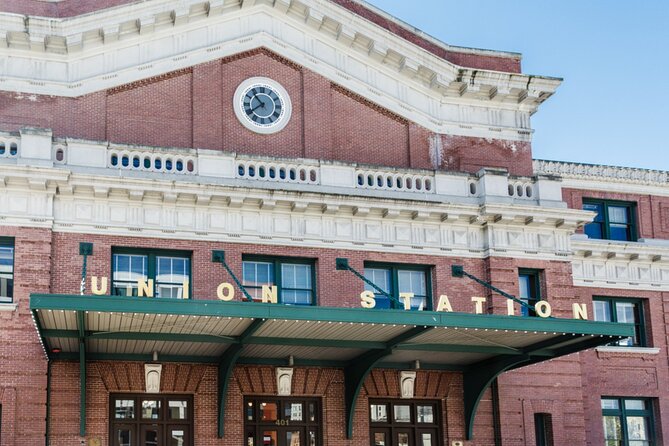
- Starting at Union Station: where the quest sets your pace
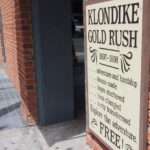
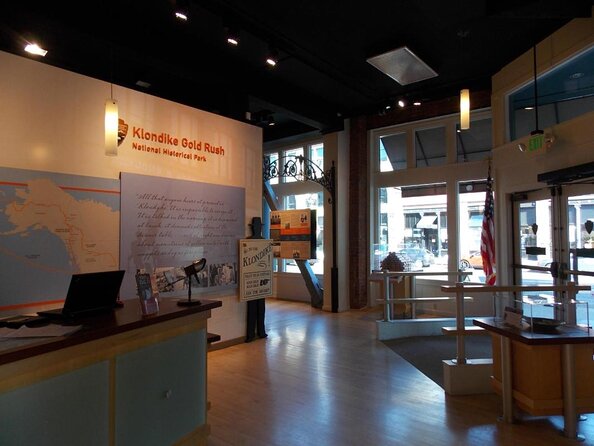
- Klondike Gold Rush National Historical Park: totems, woodcarvings, and a moon-myth
- Pioneer Square and the underground vibe: clues in the old streets
- Smith Tower: when a clue points you up
- Seattle Federal Office Building (FOB): the paperwork power stop
- Eyes on You medical center: a different kind of story stop
- Seattle Art Museum (SAM): origins, mergers, and a clue you can’t fake
- Pike Place Market and Victor Steinbrueck Park: clue hunting inside a living neighborhood
- Beneath the Streets and the final approach to the waterfront
- Price and value: $7.20 for a downtown puzzle walk
- Who this is for (and who might want something else)
- Should you book Seattle Downtown Quest?
- FAQ
- How long is the Seattle Downtown Quest?
- Where do I start and end the quest?
- Do I need a physical tour guide with me?
- Do I need GPS or a paper map?
- What do I receive when I book?
- What language is the quest offered in?
- Can I go at my own pace?
- Is it a private group experience?
- Optional note: quick practical tip
Key Things You’ll Notice Right Away
- Self-guided, no guide required means you can go slow, stop for photos, or take a snack break.
- 10 interactive puzzle challenges turn sightseeing into problem-solving.
- No maps or GPS needed cuts down on fumbling in a busy downtown.
- Landmark-heavy route connects big names like SAM and Pike Place Market to specific local stories.
- Pause and resume anytime helps you fit it around your day instead of the other way around.
- Some clue locations may be temporarily unavailable (construction and refurbishment can happen), so bring flexibility.
Seattle Downtown Quest: what this is (and what it is not)
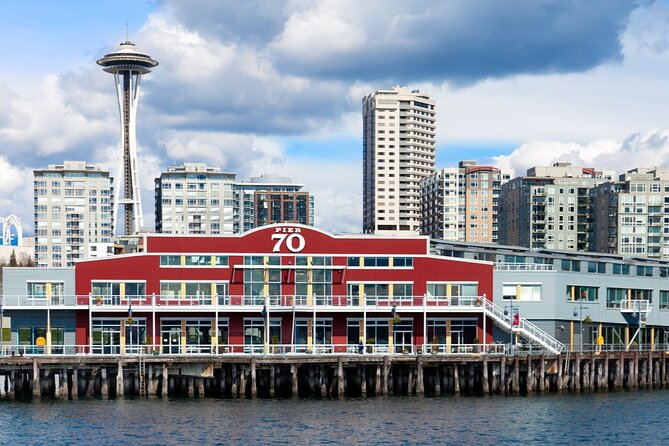
This is a self-guided history game that runs on your phone. You start at Union Station (401 S Jackson St) and finish at Waterfront Park (1401 Alaskan Wy). The whole thing takes about 1 hour 30 minutes on average, though your actual time depends on how quickly you solve the puzzles and how often you pause to read.
You won’t have a physical tour guide, and you won’t be given a paper map. Instead, you get a mobile access code and the quest content on your device, with flexibility built in: you can pause and resume whenever you need.
The big promise here is simple: learn Seattle downtown history by scanning your surroundings for clues. That means you’ll spend time at places you’d likely visit anyway, but with a reason to look closer than the average sidewalk walk.
You can also read our reviews of more guided tours in Seattle



Starting at Union Station: where the quest sets your pace
Union Station is a strong starting point because it’s a real hub and an easy place to orient yourself. It also helps that the quest is designed to work without maps or GPS. That matters because downtown can feel like a grid with constant distractions, and nothing kills momentum faster than “where are we supposed to go?”
Your first job is to begin the mobile quest using your access code, then follow the steps that keep moving you along the downtown story chain. If you like your days structured but not rigid, this format is a good match: you’re in control of speed, and the quest content keeps you pointed toward the next stop.
Klondike Gold Rush National Historical Park: totems, woodcarvings, and a moon-myth
One of the most “Seattle” moves in the quest is the jump into the Klondike Gold Rush National Historical Park area. Instead of reciting dates, the quest has you look around to find the answer that advances you. That design choice forces your eyes to do the work, and it’s where interactive games tend to beat passive tours.
You’ll also run into a trio of details tied to totems and woodcarvings connected to Duane Pasco (1970s). The carvings were donated by Richard White and installed in the 1980s. The quest content calls out specific figures and what they represent, including:
- Sun and Raven: the story of Raven’s theft of the moon, created for the 1974 Spokane World’s Fair
- Man Riding on Tail of Whale: carved in 1971
- Tsonoqua: a mythological giantess described in the quest as an invoked nightmare bringer used by North Coast mothers to encourage obedience
What I like about this stop is that it gives you names and myth context to hold onto while you’re looking. It turns the totems from “cool carvings” into something with narrative weight, which is exactly what makes a clue-based stop feel worth your time.
One practical consideration: if any totem-related elements are temporarily out of place due to refurbishment, you may have to work around it. Build in buffer time near the waterfront portion later too, because that’s where some clue elements can be affected.
Pioneer Square and the underground vibe: clues in the old streets
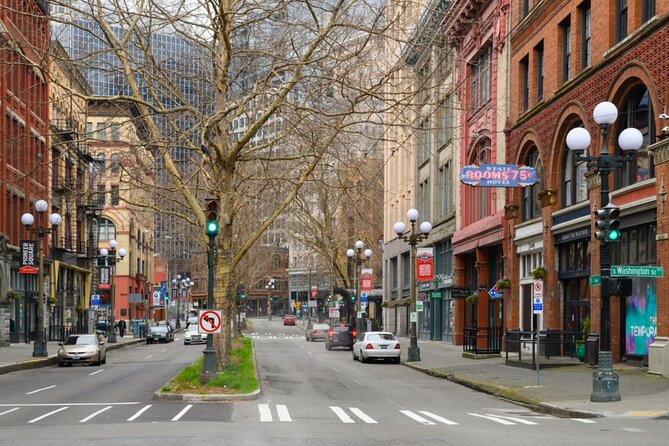
After the Gold Rush park area, you’ll head toward Pioneer Square. This is where the quest starts behaving like a walking scavenger hunt across layers of Seattle.
Pioneer Square is described as having late-1800s Romanesque Revival buildings with art galleries, coffee shops, and trendy bars. You’ll also see context for why people talk about Seattle’s Underground Tour—subterranean streets and the city’s roots connected to the Klondike Gold Rush National Historical Park.
In practical terms, Pioneer Square is a good place for a phone quest because:
- the buildings are distinctive, so your brain can anchor location
- there are lots of edges and entrances where you can realistically “look around” for an answer
- it’s easy to pause for a coffee if you’re waiting on another person to solve the clue
Still, this is downtown. That means construction, fencing, and foot-traffic detours can slow you down. I’d treat this as an afternoon plan, not a strict timed appointment.
Smith Tower: when a clue points you up
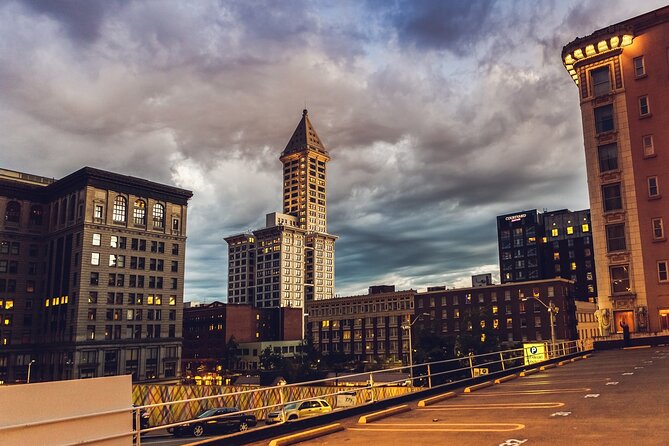
Smith Tower is a clue-friendly stop for one simple reason: it’s memorable. It’s the oldest skyscraper in Seattle, completed in 1914, with 38 stories and a height of 484 feet. When a quest includes landmark scale like that, it’s often because the puzzle content can tie you to a specific local fact quickly.
Here, the task is still the same core mechanic: look around to find the answer to advance. If you’re the kind of person who likes to understand what you’re seeing before you move on, you’ll appreciate having factual anchors like completion date and height.
If you’re short on time, you can still keep the pace moving. Just don’t skip reading the clue content when you arrive—this quest works best when you use the story context to interpret what you’re hunting for.
You can also read our reviews of more historical tours in Seattle




Seattle Federal Office Building (FOB): the paperwork power stop
The quest also stops at the Seattle Federal Office Building, described as the first Seattle building specifically designed for federal government offices. It was constructed in 1933. The designer of record is listed as James A. Wetmore (Department of the Treasury Supervising Architect), and early tenants included 52 federal agencies, with the Department of the Treasury being the largest.
This isn’t the kind of stop people usually pick for a casual walk, which is exactly why it’s valuable. It broadens the quest beyond the postcard Seattle loop and gives you a different angle on how the city grew: not just through commerce and culture, but through government infrastructure.
The clue activity here is again based on “look around.” The payoff is that you’ll leave knowing why the building matters, instead of just clocking its exterior and moving on.
Eyes on You medical center: a different kind of story stop
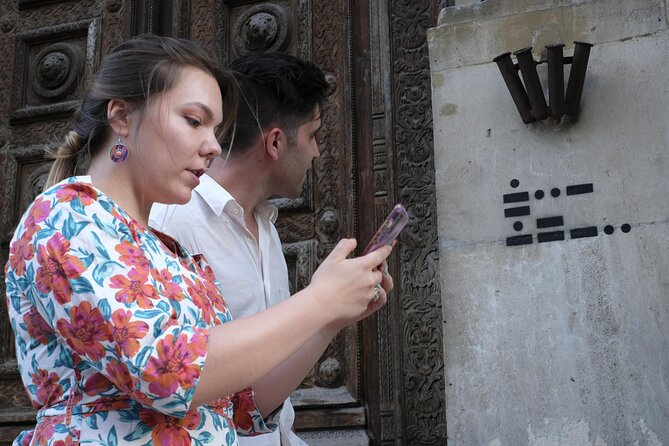
Another unique pivot in the quest is a stop centered on an eye care location: Eyes on You medical center, described as having a professional team and a history you’ll want to know.
What matters for you here is not any single detail (none are provided in the tour info beyond the existence of that history), but the fact that the quest includes non-obvious downtown subjects. It keeps the route from becoming only architecture and markets.
If you like variety—science, institutions, and everyday services mixed into city storytelling—this stop helps. If you’re only there for the biggest famous sights, you might find this one a bit more low-key. Either way, you’ll still be doing the same puzzle mechanic: locate the clue answer and move forward.
Seattle Art Museum (SAM): origins, mergers, and a clue you can’t fake
Seattle Art Museum is one of the headline stops, and the quest ties it to its origins. Here’s the storyline thread the quest content provides:
SAM traces its origins to the Seattle Fine Arts Society (organized 1905) and the Washington Arts Association (organized 1906). Those groups merged in 1917, and the Fine Arts Society name was kept. In 1931, the group renamed itself as the Art Institute of Seattle. The Art Institute housed its collection in Henry House, the former home on Capitol Hill of Horace C. Henry (1844–1928).
That’s the kind of name-and-timeline detail that makes a museum stop feel more grounded, like you’re connecting to the local forces that shaped the institution.
Now for the practical part: some people found a specific clue at/near the museum area harder to locate, and at least one clue destination can be affected by construction. If you arrive and can’t immediately find the element the puzzle expects, don’t just brute-force it. Use hints when available, and give yourself time to reroute around barriers.
Also, the quest narration has you moving between present and past framing in at least one portion of the route, so don’t be surprised if the story voice shifts slightly as the game content updates your context. That doesn’t break the game, but it can affect how you interpret the text while you hunt for the answer.
Pike Place Market and Victor Steinbrueck Park: clue hunting inside a living neighborhood
Pike Place Market is where the quest becomes more than history on a screen. You’ll pass through a space described as more than a public market: it’s a neighborhood made up of hundreds of farmers, craftspeople, small businesses, and residents.
The quest also includes why it matters as a civic space. The market preserves historic buildings and the character of its nine-acre historic district, and it’s described as serving as an incubator and supporter for farmers, artisans, and small businesses. It’s also chartered by the City of Seattle to provide services for low-income individuals.
That social-service detail is the kind of thing most people skip when they do a quick Pike Place walk. In this quest, it’s part of your learning prompt, which makes your time there feel more meaningful.
Victor Steinbrueck Park sits at the north end of Pike Place Market and is described as a place where residents, visitors, and people working nearby enjoy picnics, sunbathing, and relaxing. For puzzle-solving, parks can be both great and annoying:
- great because there’s open space to scan for the clue context
- annoying because small movements and crowds can make the hunt feel slower
If your group likes to snack while solving puzzles, this is a good spot to do it. Since the quest supports pausing, you can eat first, then come back fresh.
Beneath the Streets and the final approach to the waterfront
As you move toward the finishing stretch, the quest includes content under the theme Beneath the Streets, with factual information about the birth of the city, 1890s architecture, and additional stories including the Klondike Gold Rush, Skid Row, and the Coast Salish Peoples who first inhabited the area.
I like this because it stops the route from becoming only a checklist of landmarks. Instead, it keeps tying the city’s physical layout to human stories across time.
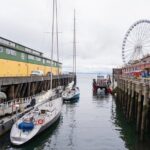
Your endpoint is Waterfront Park. This is where you want to pay attention to real-world conditions. In one problem report, totem poles at the waterfront were temporarily gone because they were being refurbished. That kind of situation can throw off a clue-based hunt if the puzzle expects an element that’s temporarily missing.
My practical advice: go in with the expectation that one or two clue moments might be imperfect due to changes on the ground. It’s a walking game, not a museum exhibit with controlled lighting and fixed objects. If the app offers hints, use them early rather than spending 20 minutes stuck.
Price and value: $7.20 for a downtown puzzle walk
At $7.20 per person, this quest is priced like an impulse-friendly activity. The value is strongest if you like learning by doing—solving puzzles while you see the places. It’s also stronger if you’re traveling with a small group and you can all look around together.
The cost feels less like “book a guide” and more like “buy a self-paced experience engine.” You’re paying for:
- the mobile access code
- the 10 puzzle challenges
- the storyline content connecting your surroundings to Seattle events
For most people, 1 hour 30 minutes is long enough to feel like an actual activity, but not so long that it turns into an all-day commitment.
One consideration: if the game experience in the app ever prompts you toward additional purchases (like optional boosts or credits), I’d read carefully before tapping anything. One reported issue described extra app-based costs not being clear upfront. You don’t need to assume that applies to your situation, but it’s smart to keep your eyes open inside the app.
Who this is for (and who might want something else)
This is a great fit if you:
- enjoy puzzle-solving while walking
- want a self-guided Seattle downtown plan that doesn’t lock you into one schedule
- like mixing famous stops (Pike Place, SAM, Smith Tower) with less obvious ones (federal buildings, institutional history)
It may not be the best match if you:
- hate app-based clue hunts and prefer a person to guide you
- need a perfectly frictionless experience with no detours or missing clue objects
- are easily frustrated by construction changes and unclear puzzle elements
If you’re the kind of visitor who enjoys a bit of playful problem-solving, you’ll probably have a better time than if you’re treating it like a rigid sightseeing route.
Should you book Seattle Downtown Quest?
I’d book it if your ideal Seattle day includes wandering downtown with purpose. For the price, it’s hard to beat a route that covers Union Station to the waterfront and includes major anchors like Seattle Art Museum, Pioneer Square, and Pike Place Market—with a reason to look closely along the way.
I’d hesitate if you’re planning around a tight schedule or if you need every clue location to be present and easy to reach. Because downtown conditions change—construction and temporary refurbishment can happen—this quest rewards flexible timing and a willingness to use hints instead of getting stuck.
If you want a simple, guided walk, skip the quest. If you want a hands-on history scavenger hunt where you’re constantly doing the next step yourself, this is a good bet.
FAQ
How long is the Seattle Downtown Quest?
It’s listed at about 1 hour 30 minutes on average.
Where do I start and end the quest?
It starts at Union Station, 401 S Jackson St, Seattle, WA 98104 and ends at Waterfront Park, 1401 Alaskan Wy, Seattle, WA 98101.
Do I need a physical tour guide with me?
No. The experience is self-guided, so there is no physical tour guide included.
Do I need GPS or a paper map?
No. The quest is designed so you don’t need maps or GPS.
What do I receive when I book?
You get a mobile access code for the quest, 10 interactive puzzle challenges, storyline content about Seattle’s historical events, and the ability to pause and resume.
What language is the quest offered in?
It’s offered in English.
Can I go at my own pace?
Yes. You can complete the game at your own pace and desired time, and you can pause and resume.
Is it a private group experience?
Yes. It’s private, so only your group participates.
Optional note: quick practical tip
Start when you have enough daylight and an easy buffer. If one clue stop is affected by construction or refurbishment, you’ll recover faster when you’re not rushing.