REVIEW · SEATTLE
Smith Tower: Observatory Access Ticket
Book on GetYourGuide →Operated by Smith Tower · Bookable on GetYourGuide
Seattle from above feels personal. Smith Tower stacks views with stories.
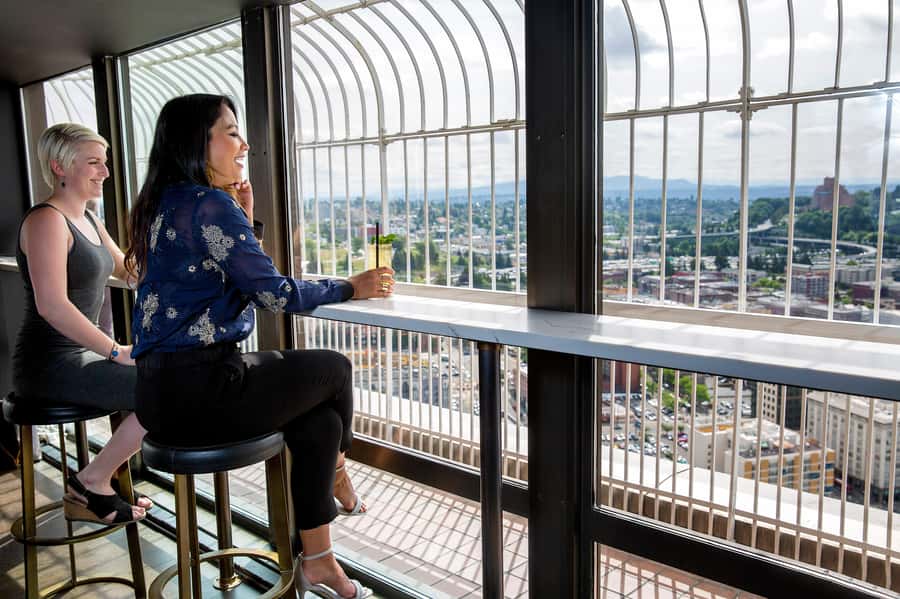
I love two things right away: the historic elevator ride and the Observatory Bar atmosphere with craft cocktails and shared bites. The setup on the 35th floor gives you a true skyline perspective, not just a quick peek. One thing to plan for: it’s first-come, first-served for capacity, so during busy hours you may wait well over an hour.
You’re in Pioneer Square, so the experience isn’t isolated from the city. Expect to encounter the building’s legends through the bar and observatory setting, including nods to rum runners, guns, typewriters, romantic superstitions, and ties to Chinese royalty. If you show up with big bags or plan to bring pets, you’ll need to adjust, since luggage and pets (other than assistance dogs) aren’t allowed.
In This Review
- What You Get for the $23 Ticket at Smith Tower Observatory Bar
- Pioneer Square Setting: Why Smith Tower Feels Like More Than a View
- The Historic Brass Elevator Ride: The Moment That Sets the Tone
- The 35th Floor Layout and the Wishing Chair Stop
- 360-Degree Skyline Views: What to Look For and How to Enjoy Them
- Observatory Bar Drinks and Prohibition-Era Cocktails
- Food and Beverage Credit: How to Make the $10 Offer Work
- Timing and Capacity Rules You Should Actually Plan Around
- Practical Rules: Bags, Pets, Bare Feet, and Other Must-Knows
- Who This Ticket Suits Best (and Who Might Be Meh About It)
- Should You Book the Smith Tower Observatory Access Ticket?
- FAQ
- How much is the Smith Tower Observatory Access Ticket?
- How long is the ticket valid?
- What’s included with admission?
- Do I need a credit card or ID for anything?
- Is the Smith Tower Observatory wheelchair accessible?
- What should I bring, and what isn’t allowed?
What You Get for the $23 Ticket at Smith Tower Observatory Bar
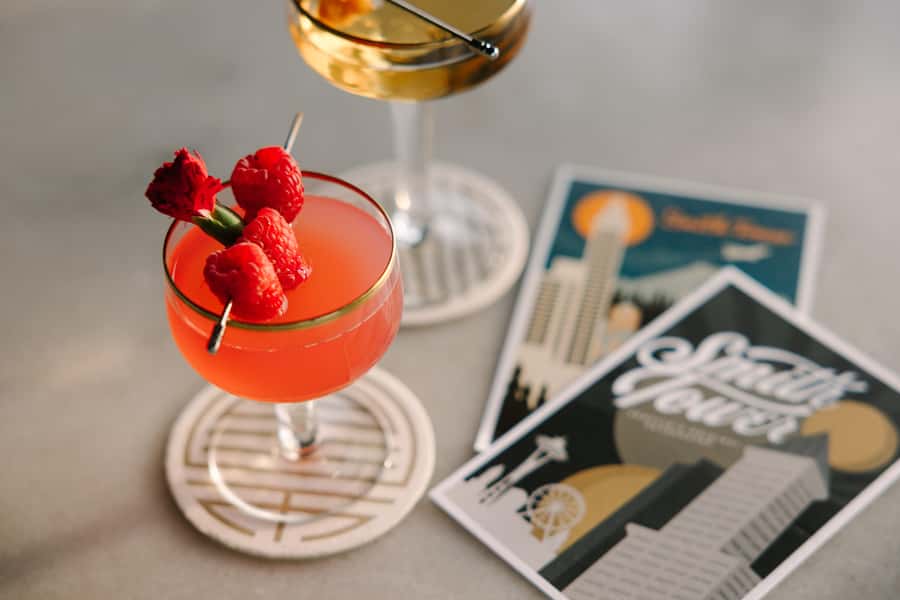
For $23 per person, the ticket gives you admission to the Smith Tower Observatory and Bar. In practical terms, you’re paying for two things that are hard to duplicate: a high-up Seattle view that’s built into a historic landmark, plus a bar experience with a timed serving window.
Here’s the value angle I look for with tickets like this. If you’re the type who wants a skyline moment and a drink afterward, this price can make sense because it bundles access (not just views). If you’d rather do the cheapest possible photo stop, you may feel it’s more than you need—especially if you don’t plan to spend time at the bar.
There’s also a food and beverage credit detail that can change the math. You get a $10 food and beverage credit per ticket at the Observatory Bar when you spend $20 per person. That’s not automatic free money; it’s a “if you’re already buying food or drinks” incentive. So if you’re hungry or you want a couple of drinks, you may end up getting more value out of the ticket.
Pioneer Square Setting: Why Smith Tower Feels Like More Than a View
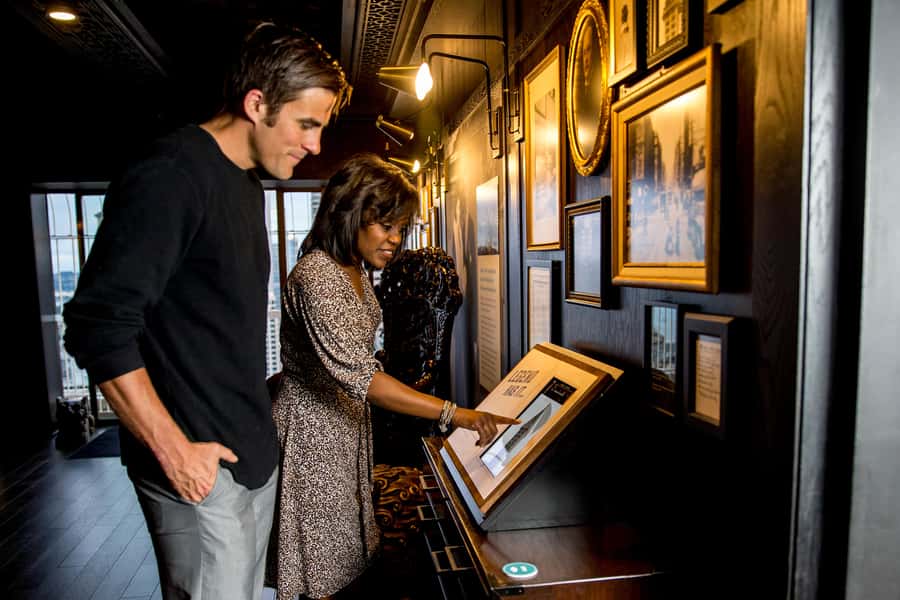
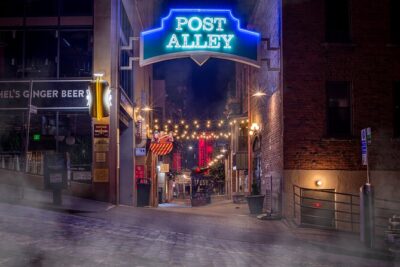
Smith Tower sits in Seattle’s Pioneer Square district. That matters because you’re starting your day in a neighborhood known for character and history, not a generic “tourist corridor.” Before you even reach the elevator, the building’s vibe is part of the experience.
The Observatory and Bar are also themed around Seattle’s colorful past—rum runners, guns, typewriters, romantic superstitions, and connections to Chinese royalty. I like experiences that give you context while you’re in place. Instead of staring out silently, you can read the story cues around the space and connect them to the skyline below.
This is also a designated landmark. That usually means you’re not just paying for height. You’re paying for a preserved building identity, including the original elevator system that’s part of the ride up.
You can also read our reviews of more tours and experiences in Seattle
The Historic Brass Elevator Ride: The Moment That Sets the Tone
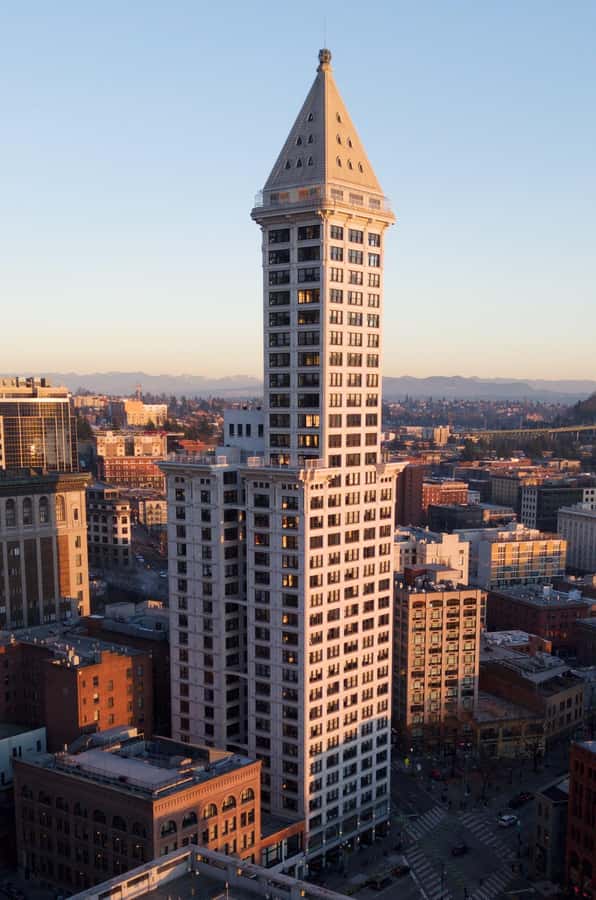
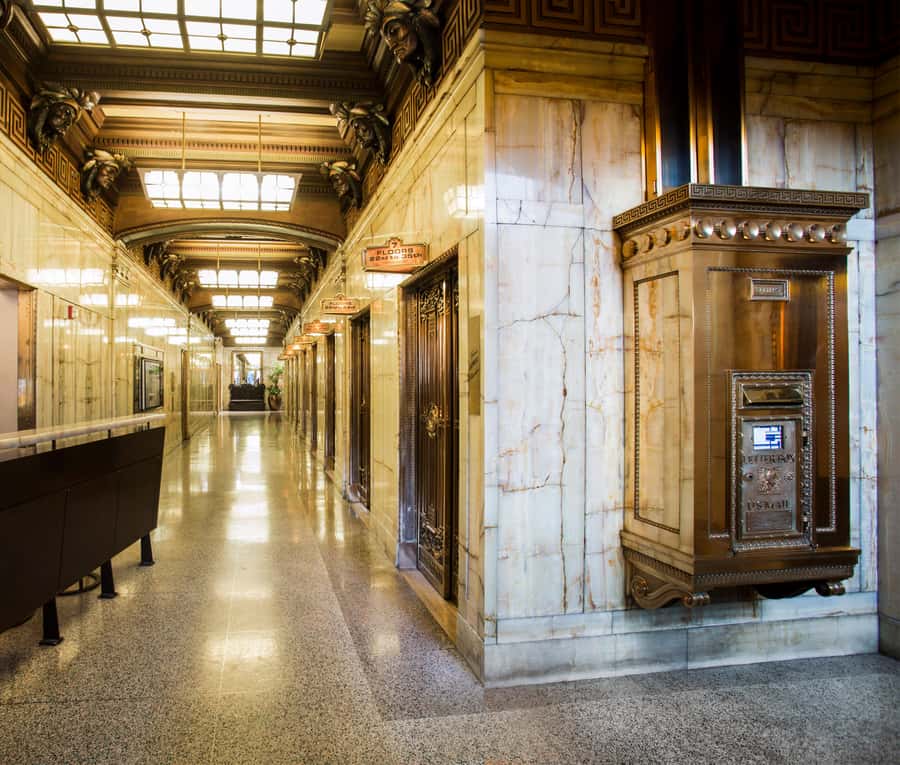
The signature start is the ride on the building’s original elevators, described as a historic brass elevator experience. Even if you’ve taken plenty of elevators in big cities, this one is different because it’s treated like a feature, not a chore.
What that does for you is simple: it slows you down just enough to feel like you’re moving through an older Seattle. It also helps with pacing. You’ll go from street-level to the 35th floor without needing to figure out anything complicated along the way—just follow the building flow and enjoy the transition upward.
If you’re traveling with someone who gets bored by “lookouts,” this elevator piece is a strong hook. It gives the trip a start-to-finish arc instead of being a single photo moment.
The 35th Floor Layout and the Wishing Chair Stop
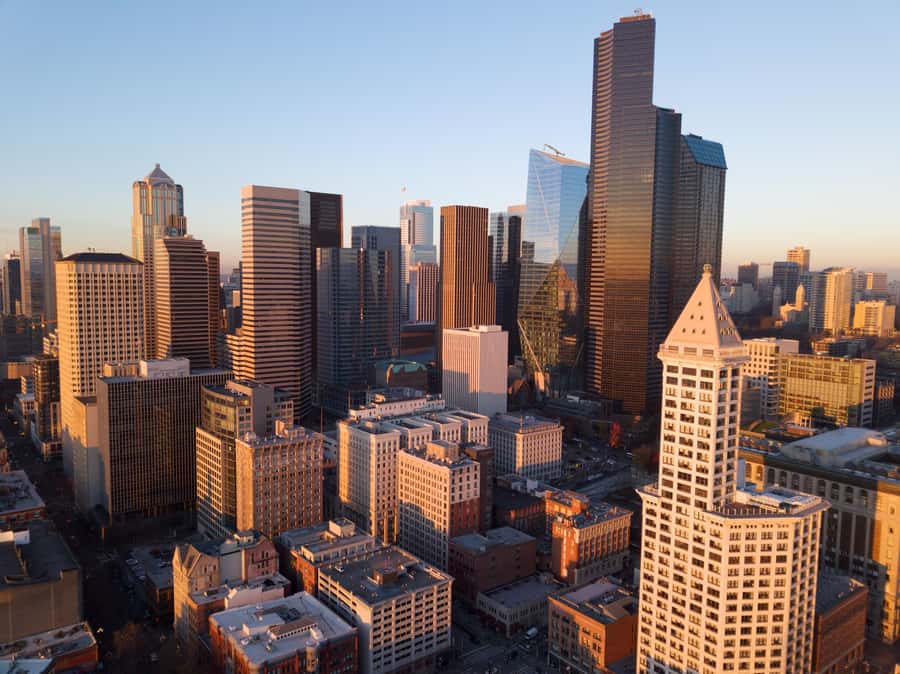
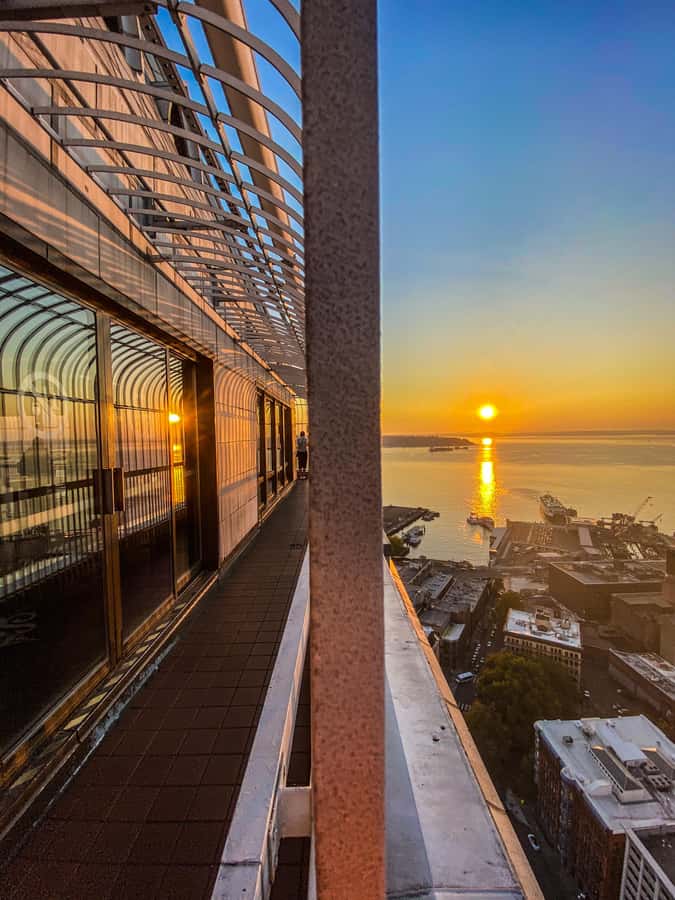
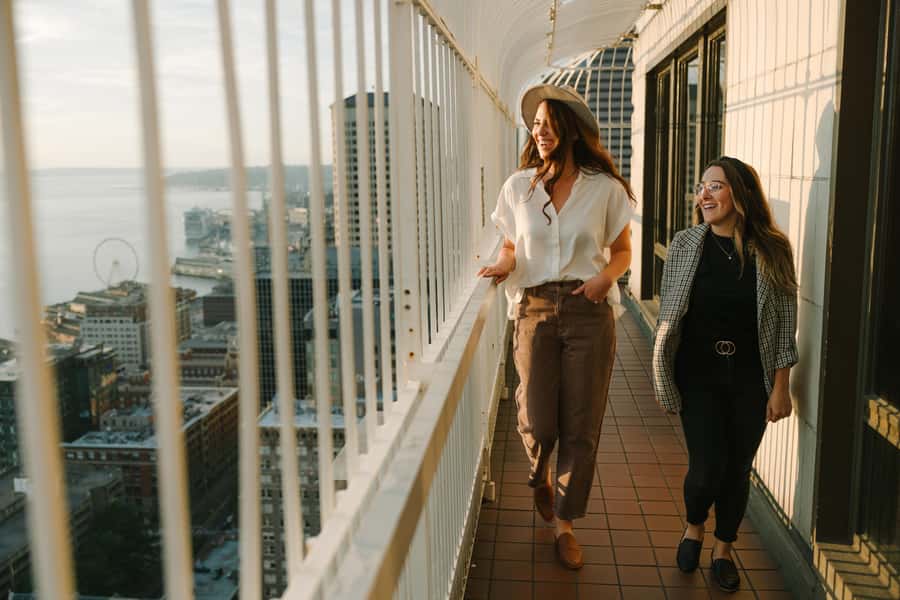
The heart of the visit is the 35th floor. This is where the views turn into the point—Seattle’s skyline from a full 360-degree perspective.
But it’s not only about the glass. The space encourages you to linger and explore at an easy pace, with plenty of chances to reframe your view as you move around. There’s also a specific spot called the Wishing Chair. The advice is straightforward: have a seat in the Wishing Chair and keep an eye out for more legends as you explore.
That’s a small instruction, but it changes how you experience the floor. If you treat the 35th floor like a quick hallway to the window, you’ll miss the fun “story stops.” If you treat it like a place to wander for a bit, it feels more like an attraction and less like a service.
One practical consideration: the experience runs on capacity limits, and peak times can mean delays. If you’re hungry or you want a calmer bar window, planning for extra time matters.
360-Degree Skyline Views: What to Look For and How to Enjoy Them
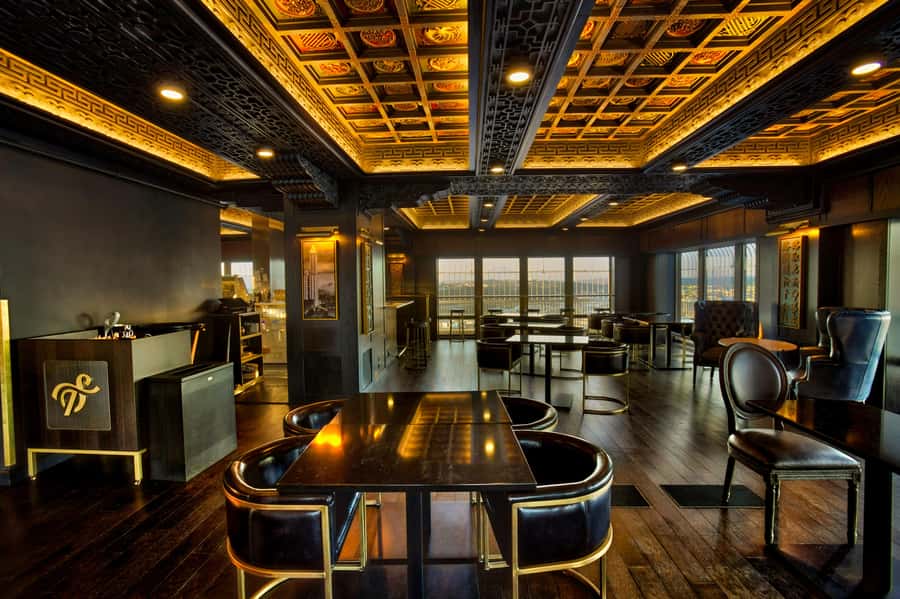
The ticket is all about seeing Seattle from above, and you get that from the 35th floor’s 360-degree views. From the vibe of this experience, the best way to enjoy it is to move slowly and pick a few angles rather than trying to photograph everything at once.
Here’s what you can do to make it more satisfying:
- Start by finding one “wide” viewpoint for your bearings.
- Then circle and zoom in mentally on recognizable parts of the city.
- Use the changing angles to compare neighborhoods in different directions, not just one skyline shot.
Because this is a bar-and-observatory mix, you can also pair your view time with a drink. That’s a big quality-of-life advantage. Instead of standing in one spot, you can settle in, sip something, and keep the skyline as your backdrop.
If you’re sensitive to crowds, remember the capacity rules. It’s first-come, first-served, so high-demand hours can squeeze your comfort level. In that case, you’ll enjoy the views more if you arrive prepared to wait—or you go when demand is lower.
Observatory Bar Drinks and Prohibition-Era Cocktails

One of the most praised parts of this ticket is the Observatory Bar atmosphere. That matches the experience description: you’re not only looking outward, you’re also tasting something tied to the building’s theme.
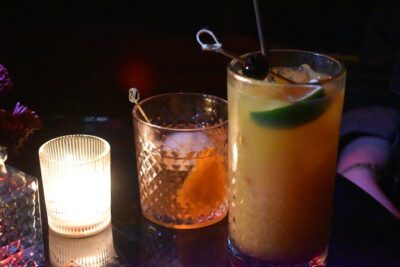
You can expect craft cocktails with a Prohibition-era feel, plus shareable bites. Even if you’re not a serious cocktail person, the bar is a reason to stay longer. It turns the visit into a break, not a quick check-the-box.
Two practical notes to keep you from getting annoyed:
- Alcohol purchase requires a valid ID.
- Payment is by credit card only.
So if you’re coming from elsewhere in the city, make sure your credit card is in hand and your ID is ready. This kind of rule is easy to overlook until you’re at the counter.


Food and Beverage Credit: How to Make the $10 Offer Work
This part can be the difference between “nice stop” and “smart value.”
You get a $10 food and beverage credit per ticket at the Observatory Bar when you spend $20 per person. In other words, the credit is triggered by your own spending at the bar. If you plan to buy nothing, the credit won’t help. If you plan to buy a couple of items anyway, it can soften the cost.
My rule of thumb: if you’re on the fence about whether you’ll eat or drink at the observatory, decide first based on your budget and appetite. Then use the credit as a bonus for the spending you were already considering. It’s the cleanest way to avoid feeling like you’re “performing” the deal.
Timing and Capacity Rules You Should Actually Plan Around
This ticket runs on capacity limitations, and admission is based on first-come, first-served access. During peak season, be ready for a wait that can run over an hour.
That waiting detail matters because it affects your whole day. If you’ve got tight plans in downtown Seattle, you may want to build in buffer time. And if you’re traveling during busy periods, you should consider the possibility that your ideal bar-and-view timing might shift later than you planned.
Also, there’s a hard stop: the last elevator and bar/restaurant service happen one hour prior to closing. So don’t roll in at the last minute expecting to have a full bar time. The views are the main event, but the bar has its own service window, too.
Bottom line: show up with time, not hope.
Practical Rules: Bags, Pets, Bare Feet, and Other Must-Knows
A smooth visit depends on respecting the house rules. Here’s what the ticket information calls out:
- Bring: a credit card
- Not allowed: luggage or large bags
- Not allowed: pets (assistance dogs allowed)
- Not allowed: alcohol and drugs
- Not allowed: bare feet
If you’re used to carrying a backpack everywhere, this might matter. You’ll want a plan for storing or keeping your bag small. And since pets aren’t allowed, coordinate your itinerary if your group includes a non-assistance animal.
These rules can feel strict, but they also help keep things moving during capacity-limited periods.
Who This Ticket Suits Best (and Who Might Be Meh About It)
You’ll likely love this ticket if:
- You want Seattle skyline views with a real sense of place.
- You’re interested in a historic building experience, not just a modern observation deck.
- You’ll spend time at the bar and like craft cocktails and shareable bites.
It may be less ideal if:
- You’re trying to do a very cheap, very quick stop with no interest in bar time.
- You hate waiting and don’t have flexibility for first-come access during peak season.
- You need to bring large bags or you’re traveling with a pet that isn’t an assistance animal.
The elevator ride plus the bar atmosphere can turn this into a “slow down” hour. If that’s your style, it fits well.
Should You Book the Smith Tower Observatory Access Ticket?
I’d book it if you want skyline views with a strong atmosphere and an included bar experience. The price is reasonable for what you get: admission to a landmark observatory, access to the 35th floor, the historic original elevator ride, and a bar plan that includes Prohibition-era craft cocktails and shareable bites.
I’d hesitate only if your schedule is tight or your travel style can’t handle waiting. Because access is first-come and peak season can mean over an hour of delay, this is best when you can treat it like a highlight, not a rushed add-on.
If you do book, plan for time on both ends: arrive early enough for capacity, and don’t count on full bar service if you arrive near closing.
FAQ
How much is the Smith Tower Observatory Access Ticket?
It costs $23 per person.
How long is the ticket valid?
The ticket is valid for 1 day. You’ll check availability to see starting times.
What’s included with admission?
Your ticket includes admission to the observatory and bar. You also get a $10 food and beverage credit per ticket at the Observatory Bar when you spend $20 per person.
Do I need a credit card or ID for anything?
Payment is credit card only. If you plan to purchase alcohol, you’ll need a valid ID.
Is the Smith Tower Observatory wheelchair accessible?
Yes, it’s wheelchair accessible.
What should I bring, and what isn’t allowed?
Bring a credit card. Luggage or large bags aren’t allowed, pets aren’t allowed (assistance dogs are allowed), alcohol and drugs aren’t allowed, and bare feet aren’t allowed.