REVIEW · SEATTLE
Six Women – A Historical Walking Tour
Book on GetYourGuide →Operated by Tours By Carter · Bookable on GetYourGuide
Six stories. Six stops. About five blocks. That’s the trick here: you get a big historical mood without a long hike. This walk through Pioneer Square turns the neighborhood into a timeline, with each stop bringing a different woman’s life into focus.
I especially love how the guide, Carter Lee Churchfield, pairs place with story. You don’t just hear names—you stand where the echoes live and get a feel for how the district looked long ago. I also like the way the tour leans into rarely visited corners of Seattle’s past instead of repeating the usual postcard facts.
One possible drawback: the tour includes adult themes and trigger warnings (addiction, prostitution, suicide, foul language). If that’s not your thing, you may want to sit this one out or go in knowing exactly what you’re signing up for.
In This Review
- Key takeaways before you go
- A Small-Group Walk That Puts Pioneer Square on a 200-Year Timeline
- Meeting Point and Tour Basics: What Your Time Actually Looks Like
- Carter Lee Churchfield’s Storytelling Method (and Why It Works)
- The Route in Plain Terms: Six Stops, Five Blocks, One Story Chain
- Stop One: The Native Princess and How Place Carries Legacy
- Stop Two: The Gay Icon and the City’s Social Pressure Cooker
- Stop Three: The Swindler and the Dark Art of City Survival
- Stop Four: The Zealot and How Conviction Shapes Community
- Stop Five: The Madame and the Stories That Don’t Get Filed Neatly
- Stop Six: The Mayor and What Public Power Costs
- Price and Value: Why $35 Can Be a Bargain Here
- Who This Tour Is Best For (and Who Should Skip)
- Quick Practical Tips so You Enjoy It More
- Should You Book Six Women – A Historical Walking Tour?
- FAQ
- How long is the Six Women walking tour?
- How much does it cost?
- Where do I meet the guide?
- How big is the group?
- What language is the tour in?
- Is it suitable for children?
- Is the tour wheelchair accessible?
- What topics are included in the tour?
Key takeaways before you go
- Six stops, five blocks means you spend your energy listening, not marching.
- Carter Lee Churchfield’s storytelling keeps the connections clear, even when the lives are messy.
- Old Pioneer Square vibes come from hearing how the district functioned about a hundred years ago.
- Admiration and damage both get airtime, so you’ll get a balanced sense of people, not statues.
- Adult themes are real, so plan accordingly for sensitivities.
A Small-Group Walk That Puts Pioneer Square on a 200-Year Timeline
This is not a “sit on a bus, collect facts” kind of tour. It’s a walk with a tight radius: you follow six women whose stories connect over roughly 200 years, all within about five blocks around Pioneer Square. The format matters because it changes how you remember the city. When you’re close to the buildings, the stories land harder. When you’re not doing marathon walking, you can actually absorb the details.
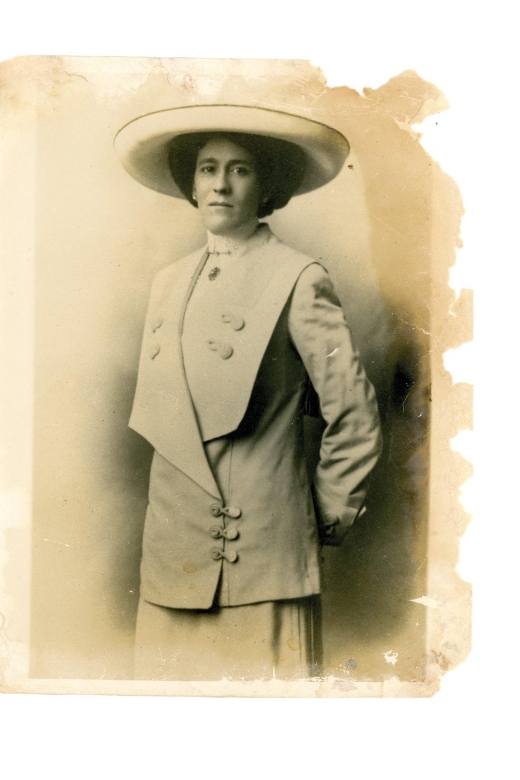
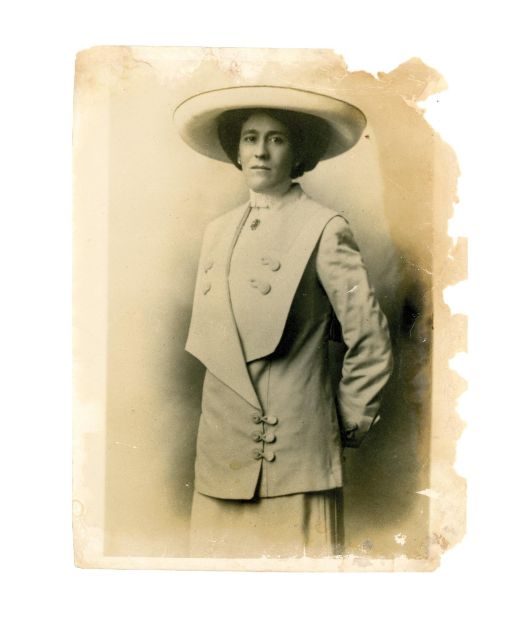
The tour’s pitch is simple: a Native Princess, a Gay Icon, a Swindler, a Zealot, a Madame, and a Mayor. Some are admirable. Some are difficult to defend. Some are masters of their choices. Some are shaped—or broken—by circumstances. That’s the emotional shape of the whole experience: history as real human behavior, not a clean textbook line.
Price-wise, at $35 per person for about 1.5 hours (it’s also described as a two-hour walking tour), you’re paying for two things: a live guide and a themed route that’s specific rather than generic. You’re not buying a “Seattle basics” tour. You’re buying a short, focused story circuit that gives you something you can’t easily reconstruct by scrolling online.
You can also read our reviews of more walking tours in Seattle



Meeting Point and Tour Basics: What Your Time Actually Looks Like
You’ll meet in front of Cherry Street Coffee House. That’s useful because it’s easy to find, and it also signals the kind of tour this is: local, neighborhood-based, and centered on street-level storytelling rather than museum-style information.
Expect small-group energy. The group size is limited to 10 participants, which makes questions feel normal instead of awkward. The tour runs in English and is wheelchair accessible, so the pace is designed to be manageable. And it’s usually available in the morning, which I like for two reasons: the light makes older street scenes easier to imagine, and you don’t lose your whole day to walking.
One practical note: it’s not suitable for children under 14. That lines up with the adult content warnings. If you’re traveling with teenagers, I’d treat this as an age-appropriate cultural/history outing only if everyone is comfortable with the topics.
Carter Lee Churchfield’s Storytelling Method (and Why It Works)
The guide here is Carter Lee Churchfield, and the reviews don’t praise her for vague charisma. They praise her for control: she knows her history, answers questions that go beyond the standard spiel, and uses storytelling tools to make the women feel present rather than distant.
You can see the method in how the tour is structured. You’re given six separate people, but the guide doesn’t let it become six unrelated “biography stops.” Instead, she leans into how Seattle’s history is interlinked—sometimes across centuries, sometimes across cultures, and often across the same small set of streets. That’s why the tour stays interesting even when a story turns dark. It’s not just the drama. It’s the pattern.
If you like tours where the guide handles follow-up questions well, this is a strong pick. The vibe is conversational. You’re meant to ask, and you’re meant to notice.
The Route in Plain Terms: Six Stops, Five Blocks, One Story Chain
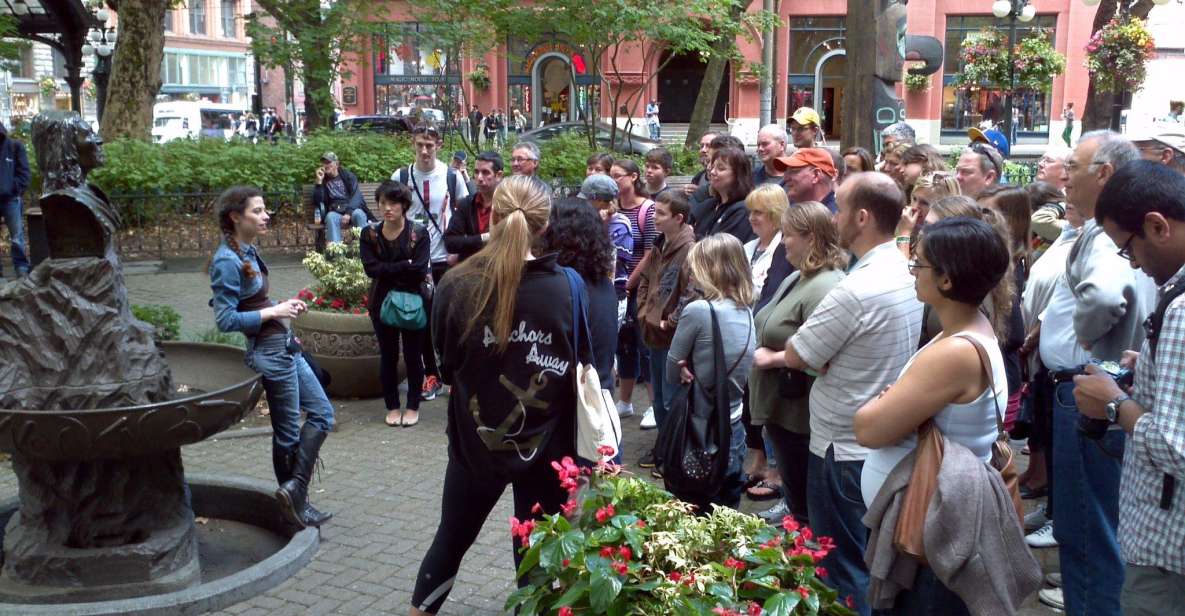
Here’s what you should picture. You start at Cherry Street Coffee House, then you move from stop to stop around Pioneer Square. Each stop is tied to one of the six women. The tour stays within a compact area, so you’re constantly re-orienting: you turn a corner, look at a building frontage, and then a person’s story snaps into view.
The highlight description calls out something important: you’ll see the historic district as it used to be, about a hundred years ago. That means you’re not only learning what happened. You’re learning how the neighborhood likely functioned—who lived nearby, who passed through, what the area might have represented socially and economically.
And because the locations are described as rarely visited, you get the feeling of walking beyond the usual “top sights” loop. It’s still Pioneer Square, but you’re seeing it through a narrower lens: street-level human stories rather than general skyline photos.
Stop One: The Native Princess and How Place Carries Legacy
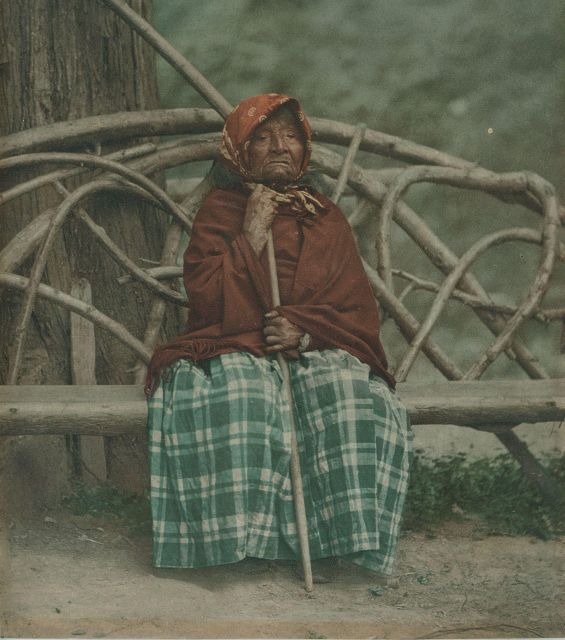
The first woman is introduced as a Native Princess—and this framing matters. The story isn’t just about an individual. It’s about how Indigenous presence, leadership, and identity get remembered (or erased) in city narratives.
At this stop, listen for how the guide ties identity to geography. Pioneer Square isn’t just a collection of old buildings; it’s a landscape of movement, settlement, and power. The tour’s goal is to help you stand in the right spot and understand why this kind of legacy is part of Seattle’s foundation, even when later history tried to smooth it over.
What I like about this approach: it forces you to treat local history as layered, not linear. The tour doesn’t imply that one chapter “replaced” another cleanly. Instead, it shows continuity and disruption.
Possible downside: if you’re hoping for a purely celebratory tone, you might find the tour’s realism uncomfortable. That’s not a flaw. It’s the point.
You can also read our reviews of more historical tours in Seattle





Stop Two: The Gay Icon and the City’s Social Pressure Cooker
Next up is a Gay Icon. The label signals that the tour wants you to look at visibility and reputation—how a community leaves marks even when society tried to restrict them.
At this stop, you’re likely meant to notice the tension between private life and public space. Pioneer Square’s street-level setting helps here. You can imagine the kinds of risks people took and the kinds of social scrutiny they faced.
Why this stop feels valuable: it expands what “Seattle history” usually gets credited with. It’s not just shipping, storefronts, and headlines. It’s who formed culture, who resisted norms, and who was forced to navigate danger.
If you don’t have a lot of background in local LGBTQ history, don’t worry. The tour is designed to be readable in the moment: the guide focuses on story clarity and on connecting facts to what you’re literally standing next to.
Stop Three: The Swindler and the Dark Art of City Survival
Then comes the Swindler. This is where the tour doesn’t sugarcoat human behavior. A swindler’s story isn’t just about a bad person. It’s about opportunity, vulnerability, and why some people feel trapped inside a system they can’t change.
You’ll get a version of history that includes moral mess. Some stories are meant to make you angry. Some are meant to show why people make choices that look reckless from the outside.
This stop may also be where the tour edges closer to the adult-content warnings. The themes listed for the overall tour include addiction and prostitution, and those topics can overlap with stories about exploitation. If you’re sensitive to that kind of context, mentally prepare for a heavier emotional tone here.
Stop Four: The Zealot and How Conviction Shapes Community
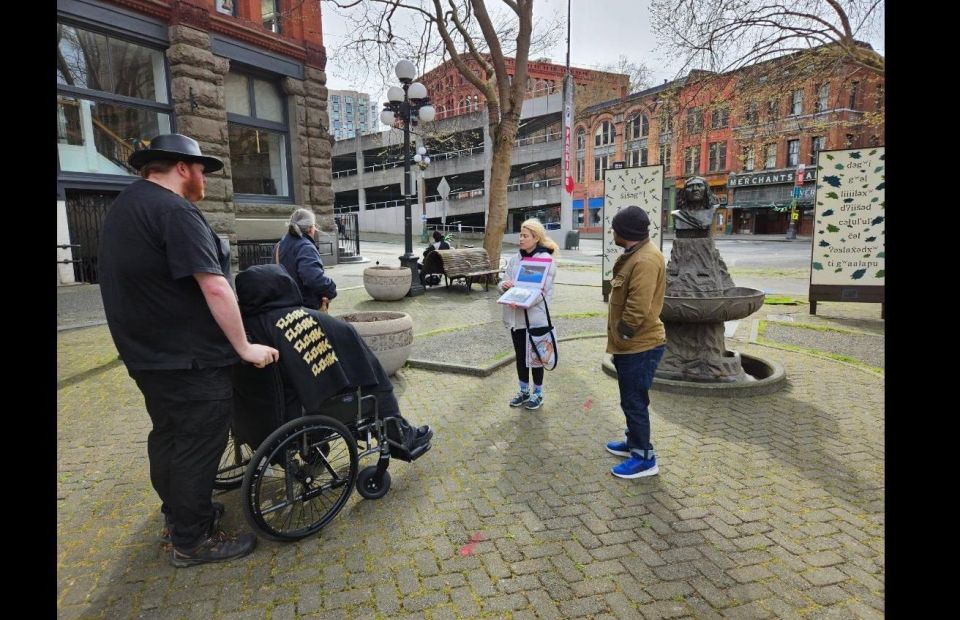
After the swindler energy, you pivot to a Zealot. “Zealot” doesn’t have to mean one-note fanaticism. In a good historical walk, it usually means conviction—belief strong enough to steer everyday decisions.
At this stop, the value is in how belief becomes social force. You’ll likely hear how zeal changes communities: how it organizes people, how it polices behavior, and how it turns a private belief system into public pressure.
This stop is also a reminder that history isn’t only made by kings and mayors. It’s made by people who carried ideas like tools—sometimes helpful, sometimes harmful. The guide’s framing that some women were “masters” and some were “victims” can fit here too, because zeal can both empower and destroy.
Stop Five: The Madame and the Stories That Don’t Get Filed Neatly
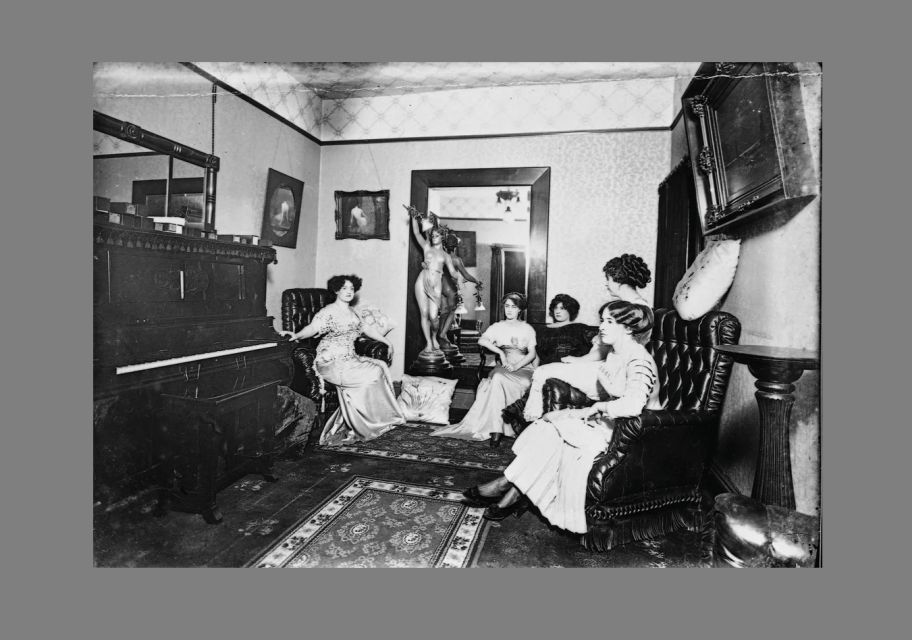
The next figure is a Madame. This is one of those terms that can sound old-fashioned, but the tour uses it for a reason. It points you toward power, work, and reputation in a city economy.
This is where the adult theme warnings matter. The tour flags prostitution explicitly, and this stop is the most likely place where that topic becomes central. Plan for the fact that the guide is treating the subject as history, not shock value.
What I’d watch for: how the guide frames agency. A “madame” story can be about exploitation, yes—but it can also be about someone operating within a brutal system and controlling what they can. That’s one reason these stops feel human instead of sanitized.
If you prefer light entertainment, this is not the tour for you. If you want honest street-level history, this stop is where the tour earns its title.
Stop Six: The Mayor and What Public Power Costs
Finally, you end with the Mayor. Ending on public authority is a smart structure because it creates a contrast. You’ve seen people pushed by society and people manipulating it for survival; now you see what happens when influence becomes official.
At this stop, focus on the question the guide seems to be asking: what does it mean to hold power when your life didn’t match the dominant script? Even if the mayor is presented as a powerful figure, the story can still include constraints, public judgment, and the costs of leadership.
This ending also gives the walk a satisfying shape. The tour started with identity and survival. It ends with governance and legacy—how a life becomes part of the city’s record.
Price and Value: Why $35 Can Be a Bargain Here
At $35 per person, you’re paying for a guide, a small group, and a very specific theme delivered in a compact walking format. In many cities, you can spend that on a generic overview tour that gives you a handful of famous stops and a quick lesson on “what Seattle is.”
This one trades fame for specificity. It’s built around six women and rarely visited locations close together. The payoff is that you leave with a sharper sense of Pioneer Square as a lived neighborhood—not just a historic postcard.
Also, the guide’s ability to answer questions beyond the planned material increases the value. When you pay for a tour, you’re not just buying facts. You’re buying time with someone who can interpret what you’re seeing.
Who This Tour Is Best For (and Who Should Skip)
This tour is best if you like history that has teeth. You’re okay with complicated characters. You want stories where people aren’t reduced to two-dimensional good or bad.
It’s also a great fit for:
- Couples, friends, and small groups who want a shared storyline.
- People who like asking questions and getting direct answers.
- Travelers who are already planning to spend time in Pioneer Square and want a deeper layer.
Skip or think twice if:
- Adult themes make you uncomfortable, especially addiction, prostitution, suicide, or foul language.
- You want a family-friendly tour. This one isn’t designed for children under 14.
Quick Practical Tips so You Enjoy It More
Since it’s a walk focused on street stops, wear shoes you’re comfortable in for a short-to-moderate duration. Bring a layer for morning weather, because Seattle can shift fast. And if any adult topic feels like a deal-breaker, it’s worth deciding in advance so you can choose how you want to engage.
If you’re the type who likes taking photos, you’ll probably be tempted, but I’d prioritize listening first. The strongest moments come from hearing how the guide connects a person’s life to what you can see right in front of you.
Should You Book Six Women – A Historical Walking Tour?
I’d book this if you want a compact, story-driven Pioneer Square experience led by a guide who clearly knows how to connect details and handle questions. It’s short, small-group, and focused on people who shaped Seattle in ways that don’t always show up in the standard highlights.
I wouldn’t book it if you need a gentle, purely educational tour with no sensitive content. The adult theme warnings are front and center, and the stories include dark material for a reason: to stay honest.
If you’re on the fence, the decision is simple. Ask yourself whether you want history as it actually was—messy, human, and close enough to feel real. This tour leans that way, and it does it well.
FAQ
How long is the Six Women walking tour?
The tour is listed as 1.5 hours and is also described as a two-hour walking tour, so plan for roughly that timeframe.
How much does it cost?
It costs $35 per person.
Where do I meet the guide?
You meet in front of Cherry Street Coffee House.
How big is the group?
It’s a small group, limited to 10 participants.
What language is the tour in?
The tour is guided in English.
Is it suitable for children?
It is not suitable for children under 14.
Is the tour wheelchair accessible?
Yes, it is listed as wheelchair accessible.
What topics are included in the tour?
The tour includes adult themes with trigger warnings for addiction, prostitution, suicide, and foul language.